Balancing Paradise: The Impact Of Over-Tourism In Cozumel
By Tom Seest
At TopCozumelNews, we help travelers enjoy Cozumel by collating information learned from frequently traveling to beautiful Cozumel.
Be sure to read our other related stories at TopCozumelNews to learn more about the Island of Cozumel.
Is Over-Tourism Affecting Cozumel?
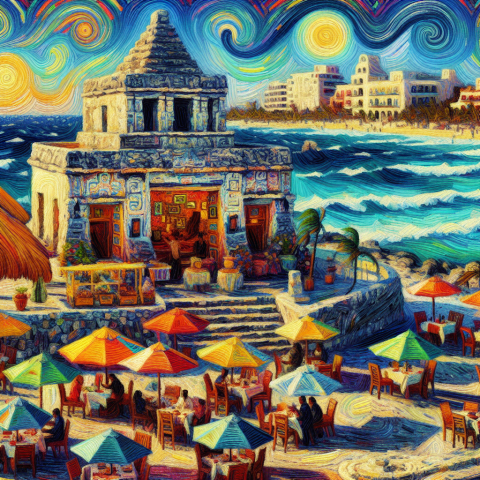
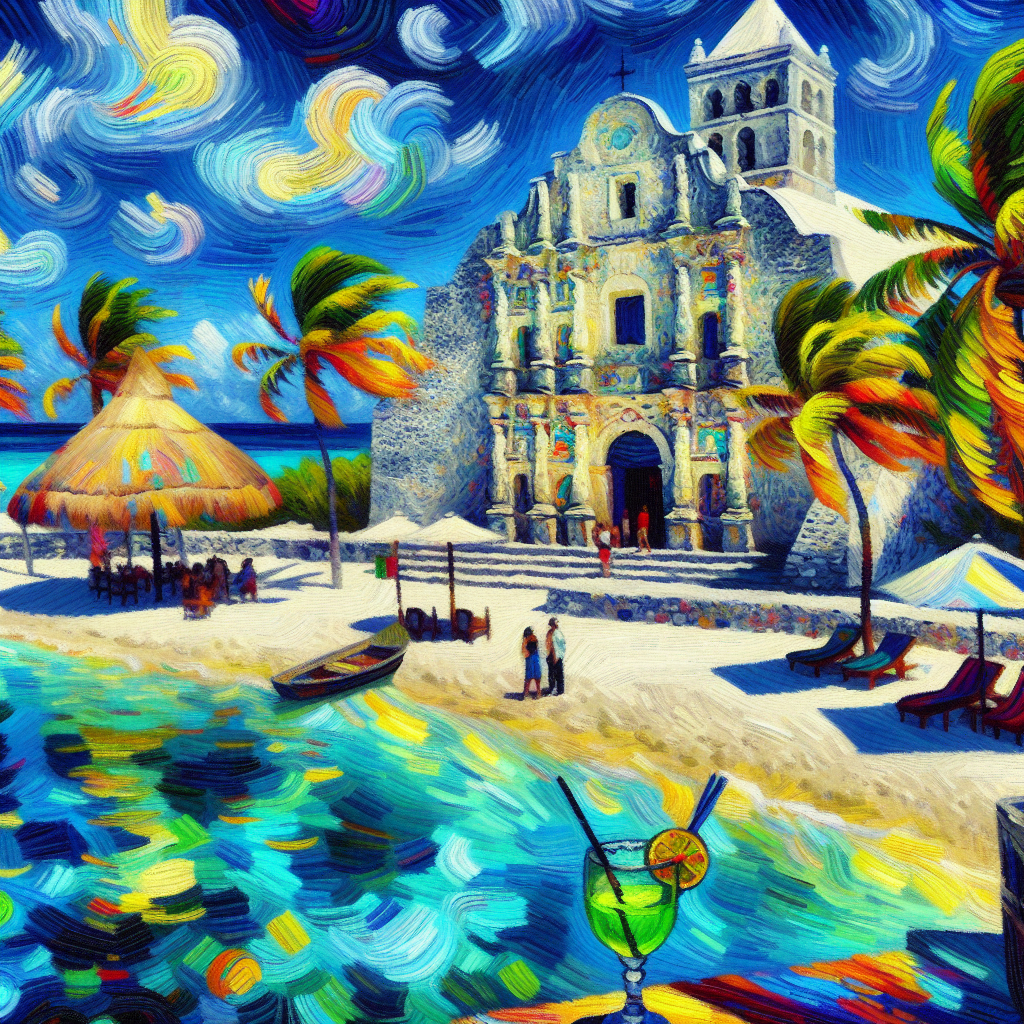
Cozumel. For many, this word evokes pictures of sun-soaked beaches, vibrant coral reefs, and warm, welcoming locals. It’s a piece of paradise in the Caribbean that has attracted travelers for decades. But the allure of Cozumel comes with a price tag that weighs heavy on the island’s shoulders. Over-tourism isn’t just an economic buzzword; it’s a tangible reality affecting the very soul of this cherished destination.
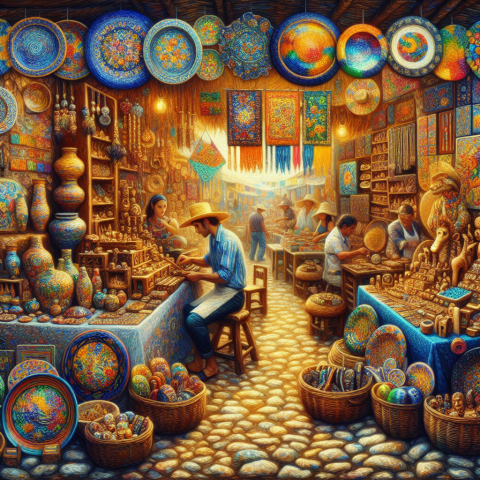
Picture the once serene shores, now thronged with cruise ship passengers rushing through souvenir shops while local artisans struggle to make ends meet. The allure of quick tourist dollars can skew priorities, tempting communities to prioritize profit over preservation. It’s a classic tale, one that echoes through countless other cities plagued by the same fate: the essence of a place slowly eroding under the pressure of foot traffic. While bustling marketplaces and vibrant nightlife seem like a win on the surface, the underlying truth is that Cozumel is at a crossroads, challenging us to ponder: What are we really willing to sacrifice for a fleeting vacation experience?
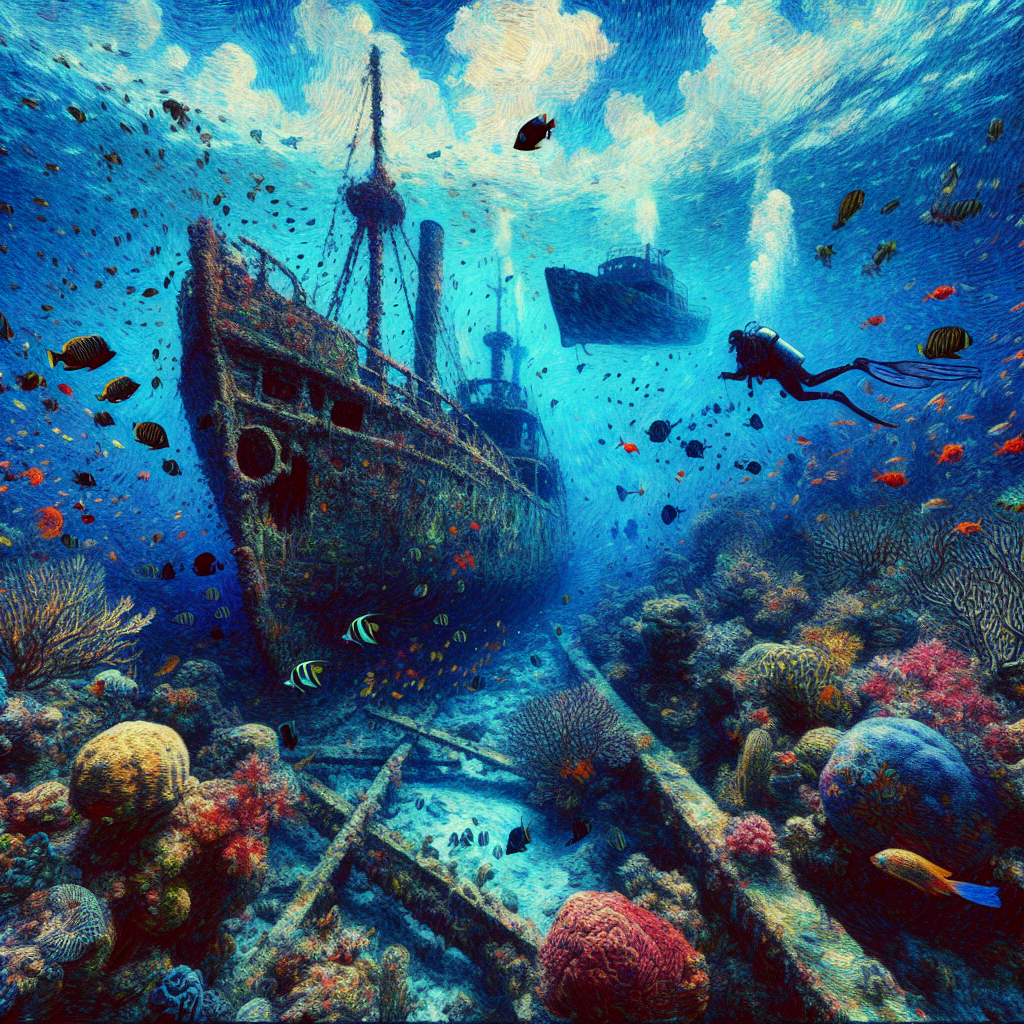
When you consider the environmental consequences, the weight of over-tourism becomes even heavier. Coral reefs, treasures of Cozumel, are suffering under the incessant waves of tourism. Snorkeling spots once teeming with life now face degradation, threatening the delicate ecosystems that locals depend on for both their livelihood and cultural identity. It’s a striking contradiction—while the island’s beauty beckons, it also serves as a cautionary tale of how unbridled tourism can lead to environmental collapse.
It’s not just an ethical dilemma; it’s a call to action. As conscious travelers, our choices matter. Instead of opting for convenience, why not seek authentic experiences that uplift rather than exploit? Engage with local communities that offer tours, cooking classes, or artisan workshops, allowing you to immerse yourself in the true spirit of Cozumel.
Imagine walking through a local market, hearing the laughter of children, and knowing that your choice to shop there supports their future. You can be part of a movement that prioritizes sustainability, striving to protect this jewel of the Caribbean for generations to come. Cozumel deserves more than just a passing glance; it deserves respect, care, and thoughtful engagement. Your actions can help ensure that this paradise thrives, not merely survives. Let’s be the stewards this beautiful island needs—after all, it’s not just about the journey; it’s about the legacy we choose to leave behind.
Is Over-Tourism Affecting Cozumel?
Is Over-Tourism Affecting Cozumel?
- Cozumel is a popular Caribbean paradise known for its beaches and coral reefs.
- Over-tourism threatens the local economy and the cultural essence of the island.
- Cruise ship passengers often create crowded conditions, impacting local artisans.
- Environmental consequences, particularly to coral reefs, result from high tourist traffic.
- Tourism can lead to quick profits but often prioritizes profit over preservation.
- Travelers are encouraged to seek authentic experiences that support local communities.
- Cozumel requires sustainable practices to protect its ecosystem and cultural heritage for the future.
Is Over-Tourism Affecting Cozumel?
Table Of Contents
- Is Over-Tourism Affecting Cozumel?
- What Does The Constant Influx Of Tourists Mean For Local Communities?
- How Are Local Ecosystems Impacted By Over-Tourism In Cozumel?
- How Do Residents Feel About The Changes Caused By Increasing Tourists?
- Are There Sustainable Tourism Practices That Could Benefit Cozumel?
- How Does The Over-Crowding Affect The Overall Visitor Experience?
- What Stories Do Local Businesses Share About Life Amidst Over-Tourism?
- Conclusion
- Other Resources
- Glossary Of Terms
- Other Questions
- Haiku
- Poem
- Checklist
What Does The Constant Influx Of Tourists Mean For Local Communities?
When you stroll through the vibrant streets of Cozumel, you’re met with the unmistakable hum of life—laughter, music, tantalizing aromas wafting from street vendors, and a kaleidoscope of cultures blending together. For many, this island paradise is a dream destination, but what does the relentless influx of tourists mean for the very heartbeat of the local community?
It’s a multifaceted narrative. On one hand, the economic benefits are tangible—a surge in jobs, a boost for local businesses, and an infusion of capital that can elevate a community. The local shopkeeper selling handcrafted trinkets feels the uplift when a throng of cruisers stroll by, their wallets ripe for spending. But here’s where it gets complicated: while tourism brings wealth, it can also bring challenges that cut to the core of a community’s identity.
Imagine the old fisherman in Cozumel, casting his nets in waters that tell stories of generations. Now picture a world where the once-quiet shores are bustling with visitors who might not always respect the deep connection between the people and their land. This is more than just an economic transaction; it’s about preserving the social fabric that binds families and traditions.
And let’s talk about environmental impact. The delicate ecosystems that surround Cozumel—its coral reefs, marine life, and lush landscapes—risk being overwhelmed by the sheer number of visitors. Too often, the rush of revenue overshadows the pressing need for conservation. It’s an ethical tightrope locals walk daily, balancing the prosperity that comes from tourism with the responsibility to protect their paradise.
Yet amid these challenges lies opportunity. Communities can shift the narrative and take ownership, championing sustainable practices that honor their heritage while welcoming outsiders. Educating visitors about local customs, conservation efforts, and the true essence of Cozumel fosters a sense of connection that transcends mere sightseeing.
For tourists, the call to act is simple: engage with the local community, seek authentic experiences, and support those who prioritize sustainable practices. For residents, it’s about voicing their needs and advocating for change that honors their unique culture and environment.
Every visitor to Cozumel contributes to a much larger story—a delicate dance between tradition and modernity, preservation and progress. Each person has a role to play, whether as a tourist, a local, or an advocate for a better balance of interests in this island paradise.

What Does The Constant Influx Of Tourists Mean For Local Communities?
What Does The Constant Influx Of Tourists Mean For Local Communities?
- Cozumel is a vibrant destination with rich cultural experiences, characterized by the sounds and sights of local life.
- The influx of tourists brings economic benefits such as job creation, increased local business sales, and capital infusion.
- Tourism challenges the community’s identity and connection to the land, impacting traditional practices like fishing.
- Environmental concerns arise as increased visitors threaten Cozumel’s delicate ecosystems, including coral reefs and marine life.
- Local communities can promote sustainable tourism practices that respect cultural heritage and the environment.
- Tourists are encouraged to engage with locals, seek authentic experiences, and support sustainability efforts.
- Every visitor plays a role in balancing tradition with modernity in Cozumel, advocating for both cultural preservation and economic progress.
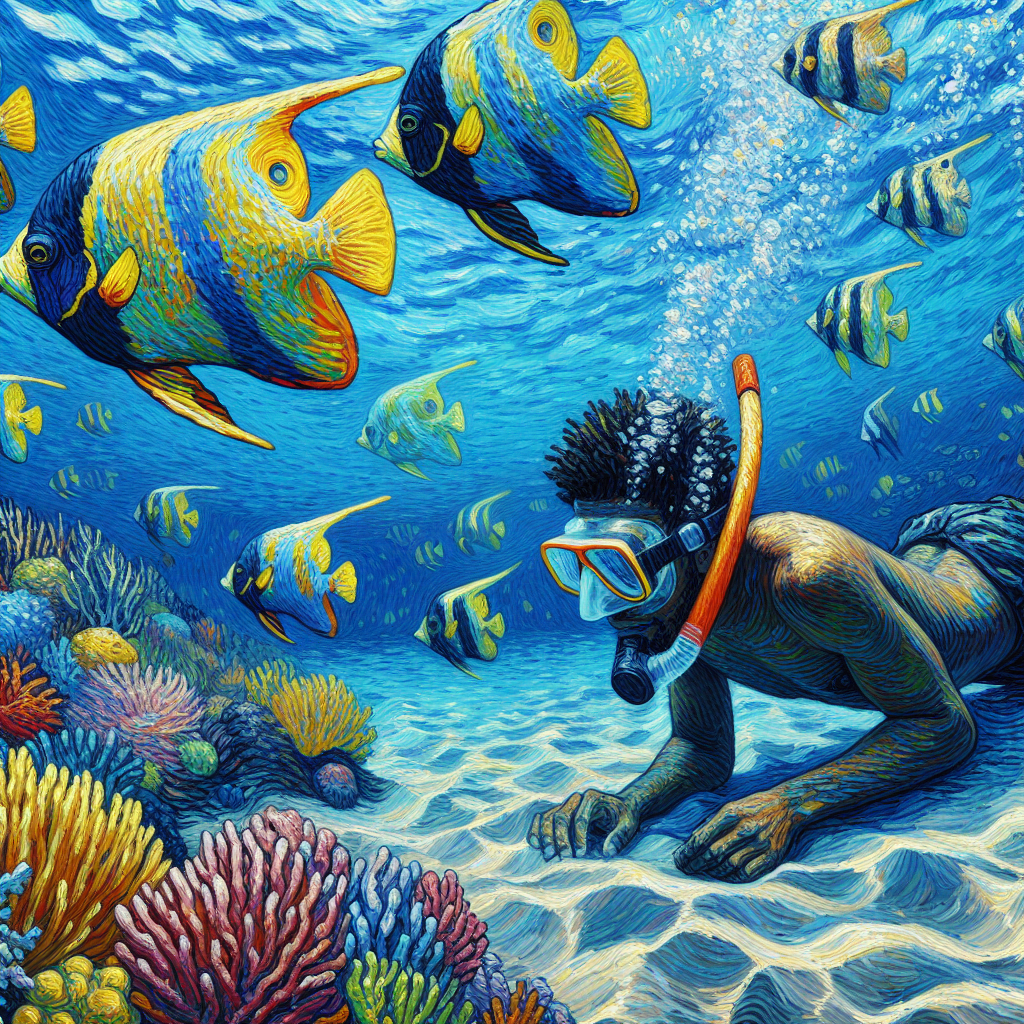
What Does The Constant Influx Of Tourists Mean For Local Communities?
How Are Local Ecosystems Impacted By Over-Tourism In Cozumel?
Cozumel, with its pristine beaches and vibrant coral reefs, is a paradise for many. Yet, as the cruise ships pull into port, bringing waves of tourists, local ecosystems face a plight that’s hard to ignore. Imagine standing on the shore, looking out to a turquoise sea, only to see the delicate balance of life beneath the waves struggling to keep its head above water. This isn’t just about numbers; it’s about the intricate dance of existence that happens here, disrupted by the thrumming engine of over-tourism.
Every footprint in the sand can leave a mark, and when thousands of visitors converge on this small island, those marks multiply. The coral reefs, which serve as the lifeblood of Cozumel’s underwater world, are particularly vulnerable. With each divers’ bubble rising to the surface, ecosystems face the threat of damage from careless interactions, pollution, and the inevitable buildup of waste. It’s a sad truth that in their quest for adventure, many overlook the silent cries of the very nature they’ve come to admire.
We often think of ourselves as stewards of the planet, yet watching such beauty erode can stir something deep within our hearts. It becomes a personal matter, a connection that transcends borders and generations. If we pause to consider—how would we feel if our beloved spaces were trampled and tarnished? Our oceans, forests, and mountains are not just vacation spots; they hold stories, memories, and life itself.
Ethically speaking, we have a responsibility. Supporting sustainable and eco-friendly practices can be a powerful choice for travelers willing to tread lightly. Responsible tourism isn’t just an option; it’s a call to action. It’s about knowing when to take a picture and when to simply enjoy the view. Organizations such as local conservation groups are tirelessly working to safeguard Cozumel’s ecological treasures, reminding us that our choices matter.
Sharing these realities is not about pushing guilt; it’s about fostering understanding and connection. The voices of those who call Cozumel home resonate strongly—they bear witness to the shifts in their environment and plead for a better way forward. When we approach travel with mindfulness, we can ensure that the island remains a vibrant destination for generations to come, preserving not just its beauty but its essence. So the next time you find yourself drawn to Cozumel’s shores, think of the impact you leave behind. It could be the beginning of a new chapter for us all—the start of healing rather than hollowing out this beautiful sanctuary.
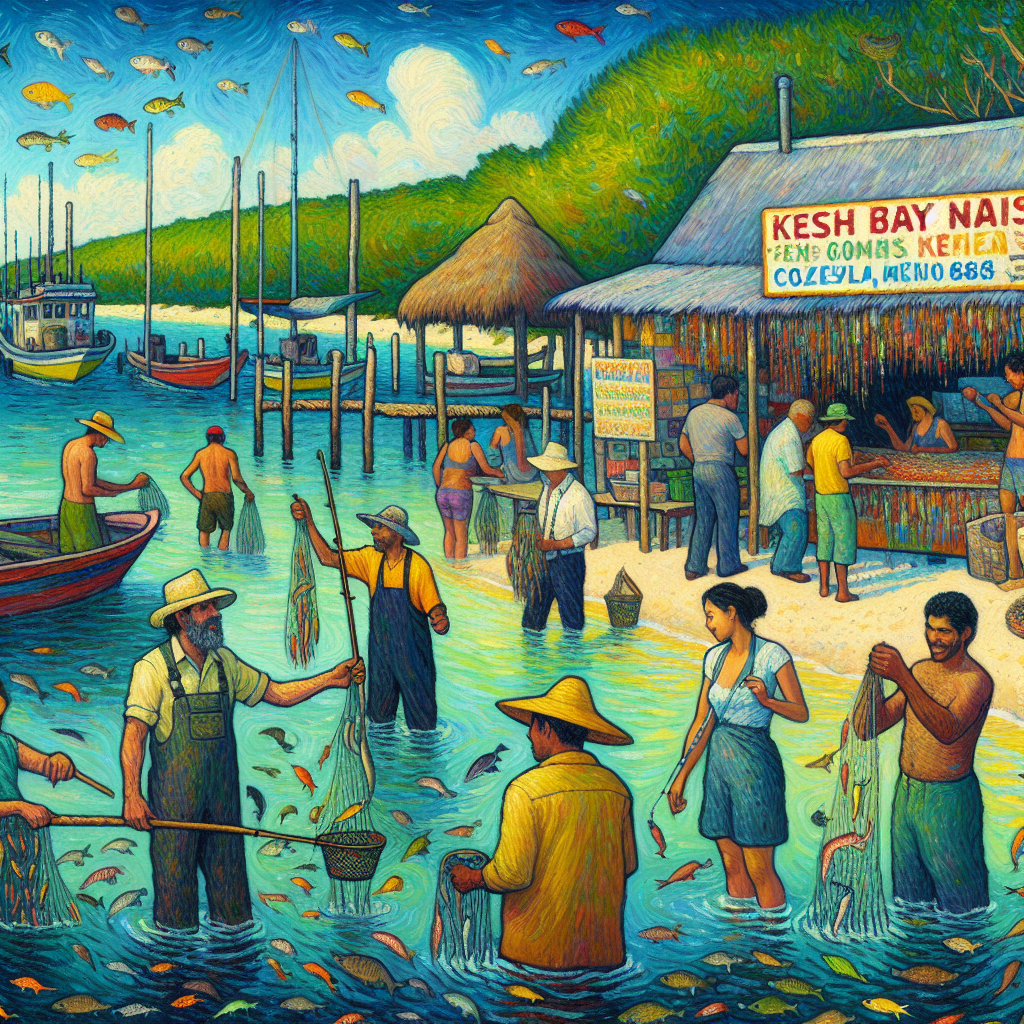
How Are Local Ecosystems Impacted By Over-Tourism In Cozumel?
How Are Local Ecosystems Impacted By Over-Tourism In Cozumel?
- Cozumel is a beautiful destination known for its beaches and coral reefs.
- Over-tourism from cruise ships threatens local ecosystems and coral reefs.
- The fragile underwater life struggles as tourists engage in activities that harm the environment.
- Travelers should consider the impact of their visit on nature and local communities.
- Supporting sustainable tourism practices is essential to protect Cozumel’s ecology.
- Local conservation groups work to preserve the island’s natural beauty and biodiversity.
- Mindful travel can help ensure Cozumel remains vibrant and sustainable for future generations.

How Are Local Ecosystems Impacted By Over-Tourism In Cozumel?
How Do Residents Feel About The Changes Caused By Increasing Tourists?
As the sun rises over Cozumel, casting its golden glow on sandy shores, the island’s residents find themselves in an emotional tug-of-war. The air is rich with the scent of salt and adventure, yet the bustling energy brought by increasing tourism weighs heavily on hearts attuned to a quieter rhythm. Locals once reveled in their island’s charm, sharing stories about their families anchored to this paradise for generations. Now, they watch as cruise ships dock, each one a harbinger of change, bringing a flood of unfamiliar faces eager to experience paradise in just a few hours.
At first glance, the economic benefits of tourism are compelling. Local economies thrive when tourists pour in, and businesses flourish, offering jobs and opportunities that breath new life into the traditional way of living. Yet, beneath the surface, residents grapple with a growing sense of distance from their own home. The delicate balance of community and commerce is shifting, and the siren call of profit starts to drown out the familiar lull of everyday life. With the burgeoning masses comes strain: crowded beaches, traffic snarls, and a creeping worry that their unique culture may become diluted, a souvenir in a gift shop rather than a lived experience.
The ethical quandary is real. Are the locals simply custodians of a paradise that has become a backdrop for someone else’s vacation? Authenticity feels threatened; the vibrant colors of their culture risk being overshadowed by mass-market appeal. Residents reminisce about festivals that once celebrated their heritage, now overshadowed by tourist-driven entertainment that lacks the heart of their traditions.
Yet amidst the uncertainty rises a resilient spirit. Community meetings breathe life into conversations about sustainability. Residents unite, crafting plans to ensure that tourism enhances rather than erodes their proud identity. They recall childhood summers spent exploring hidden caves and secluded coves, igniting a desire to preserve the essence of Cozumel for future generations. They believe in guiding visitors to treasure what makes their home special—a shared responsibility, a call to action that resonates deeply.
Ultimately, the path forward may be as clear as the waters surrounding the island. Residents are not just bystanders in this evolution. They are the storytellers of Cozumel, ready to shape a narrative where tourism and tradition can coexist, each enriching the other’s tapestry. Embracing this change with mindfulness and purpose, the heart of Cozumel beats on, a testament to resilience against the waves of transformation.

How Do Residents Feel About The Changes Caused By Increasing Tourists?
How Do Residents Feel About The Changes Caused By Increasing Tourists?
- Residents of Cozumel experience an emotional struggle as tourism increases, conflicting with their desire for a quieter life.
- The arrival of cruise ships brings economic benefits, including job opportunities, yet creates feelings of distance from their home.
- With growing tourist numbers, locals face challenges such as crowded beaches and concerns about cultural dilution.
- The authenticity of local traditions seems threatened, with traditional celebrations replaced by tourist-focused entertainment.
- Community meetings foster discussions on sustainable tourism that preserves local identity and heritage.
- Residents are dedicated to sharing and preserving Cozumel’s unique charm for future generations.
- Locals aspire to harmonize tourism with tradition, embracing change while maintaining the essence of their culture.
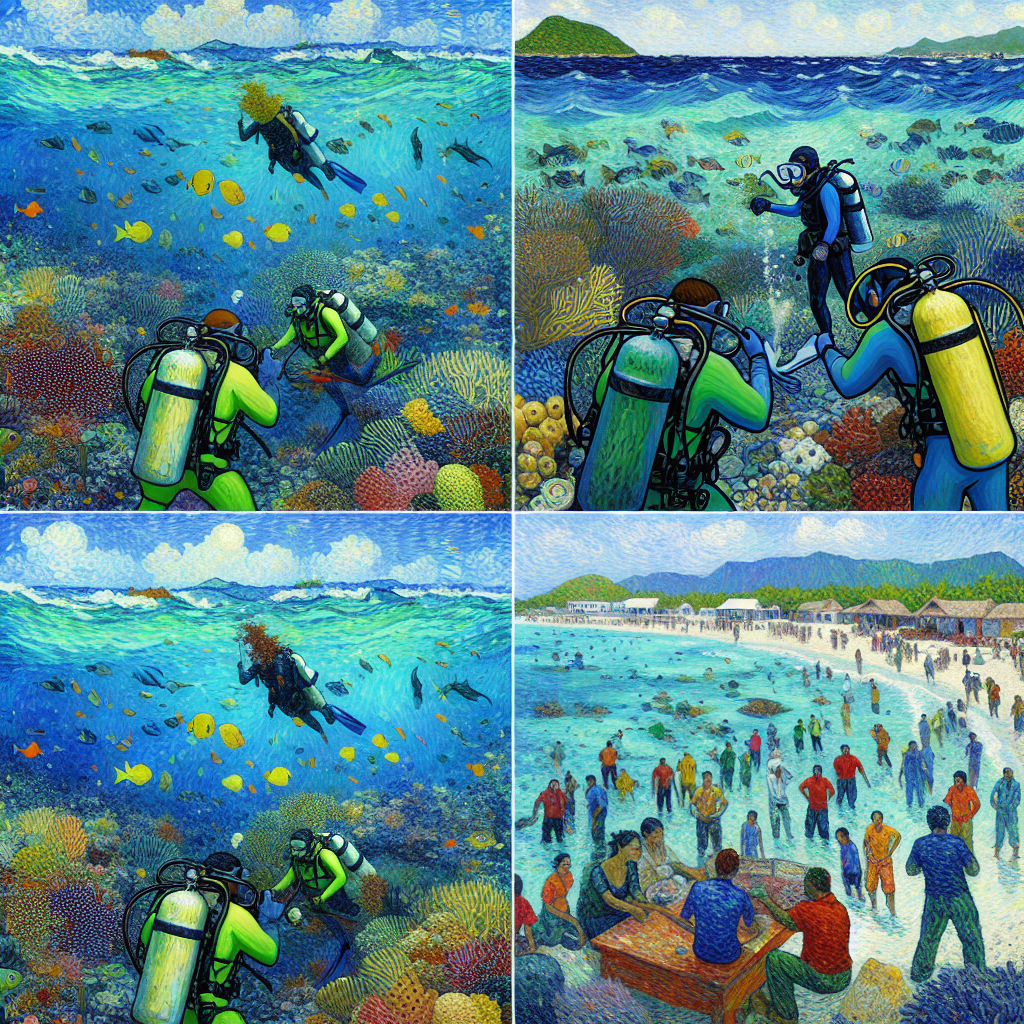
How Do Residents Feel About The Changes Caused By Increasing Tourists?
Are There Sustainable Tourism Practices That Could Benefit Cozumel?
Cozumel is a paradise like no other, teeming with vibrant coral reefs, azure waters, and a rich tapestry of culture. But with every tourist that steps foot on its sun-kissed shores, we risk leaving more than just footprints in the sand. Sustainable tourism practices could serve as a saving grace, a means to protect this stunning island while ensuring future generations can relish the same beauty.
Imagine local fishermen swapping their nets for ecological tours, guiding visitors through the crystal-clear waters to experience the wonder of marine life firsthand. It’s a win-win: tourists get an authentic taste of Cozumel’s essence, while the fishermen bond with the ocean they’ve known all their lives. This isn’t just about conservation; it’s an ethical approach that fosters respect between visitors and the community, creating mutual appreciation.
What if local artisans became the stars of the show? Picture art markets brimming with handcrafted treasures, where each piece tells a story of tradition and pride. When travelers purchase these unique creations, they do more than take home a souvenir; they’re injecting vitality into the local economy. This approach is not just smart—it’s responsible. Tourists get to leave with more than just a sunburn; they take with them the heart and soul of Cozumel.
We can also consider sustainable accommodations that champion energy efficiency and support local industries. Cozy eco-lodges designed with natural materials would not only enhance the visitor experience but also set a standard for environmental responsibility. In this era of conscious consumption, travelers increasingly seek out places that align with their values. This shift creates an opportunity for Cozumel to position itself as a leader in sustainable practices, thus attracting like-minded adventurers who prioritize the planet.
As we stir the pot of possibilities for Cozumel, we must remember the importance of community involvement. Engaging locals in the planning process brings authenticity to the forefront and ensures that tourism enhances rather than diminishes their way of life. Imagine a town hall gathering, where ideas flow like the island breeze, blending the dreams of residents with the aspirations of visitors.
By embracing sustainable tourism practices, we can protect the paradise that is Cozumel while nurturing a future we can all be proud of. It’s a call to action for everyone—tourists sharing stories, locals fostering connections, and together, standing watch over this beautiful isle. The time to act is now; after all, Cozumel’s breathtaking beauty is a legacy worth preserving.

Are There Sustainable Tourism Practices That Could Benefit Cozumel?
Are There Sustainable Tourism Practices That Could Benefit Cozumel?
- Cozumel is a vibrant paradise with coral reefs, azure waters, and rich culture.
- Sustainable tourism practices can help protect the island for future generations.
- Local fishermen can transition to ecological tours, providing authentic experiences for tourists.
- Support for local artisans boosts the economy and promotes cultural traditions through handmade products.
- Sustainable accommodations enhance visitor experiences while promoting environmental responsibility.
- Community involvement in tourism planning ensures authenticity and enhances local lifestyles.
- Embracing sustainable practices protects Cozumel’s beauty and fosters connections between tourists and locals.
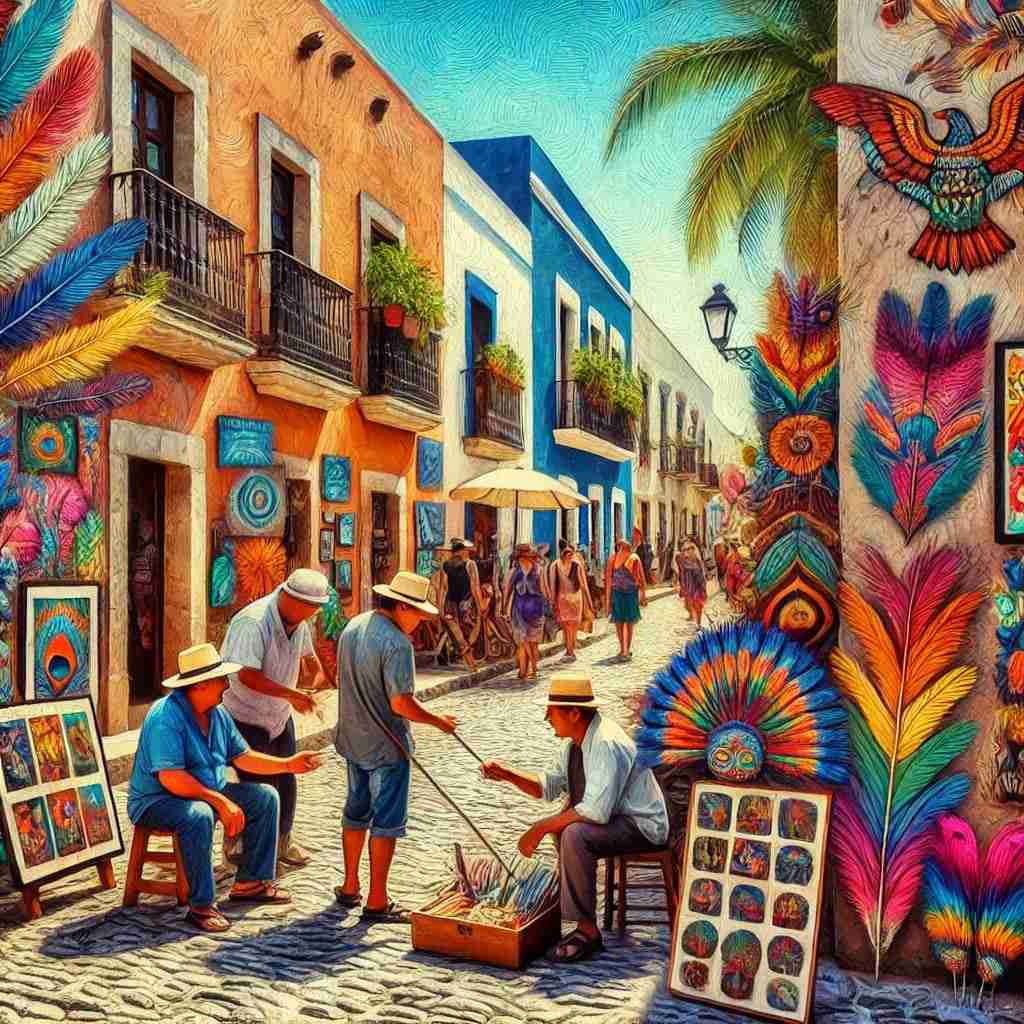
Are There Sustainable Tourism Practices That Could Benefit Cozumel?
How Does The Over-Crowding Affect The Overall Visitor Experience?
In the heart of the Caribbean, Cozumel welcomes millions each year, inviting travelers to bask in its sun-kissed shores and vibrant culture. Yet, as the tide of tourists rises, so does the reality of over-crowding, an issue that’s not just an inconvenience—it’s a seismic shift in the visitor experience. Picture this: you step off the cruise ship, anticipation bubbling inside you, only to be swallowed by a throng of fellow explorers. The once-intimate charm of the island feels diluted, as if the very essence of Cozumel is being lost in the shuffle.
This isn’t merely a logistical challenge; it’s an emotional journey. The thrill of discovering hidden gems gets overshadowed by waiting lines and crowded attractions. You might find yourself longing for a genuine connection, a moment of solitude among the clear waters—yet, all you encounter are packed beaches and bustling restaurants. It’s a gut-wrenching paradox: people come seeking authentic experiences but leave feeling like faceless figures in a never-ending sea of tourists.
Rationally, consider the economic implications. Over-crowding can stretch the island’s resources thin. Local businesses, which thrive on personal relationships, may succumb to the chaos and lose that unique touch. Ethics come into play here too. Is it right to exploit such a beautiful paradise for profit, jeopardizing its integrity in the process? As visitors, we carry the weight of this decision. Each ticket purchased and meal consumed sends a message. Are we supporting sustainability, or simply fueling a cycle that commodifies the very beauty we cherish?
Sharing stories is at the heart of every travel experience. When visitors have the chance to connect beyond the crowds, whether it’s a shared laugh with a local vendor or a quiet sunset after an early morning dive, those moments define why we travel. It ties us to one another and stitches the fabric of our global community.
Ultimately, the true spirit of Cozumel lies in the memories we create, the connections we foster, and the respect we show for the land and its people. As we navigate the bustling streets and azure waters, let’s do so with intention, ensuring that our collective experience enriches not just our own lives, but the island we’ve come to love. Together, we can cherish Cozumel—both for its dazzling beauty and for the stories waiting to be told amidst the crowds.

How Does The Over-Crowding Affect The Overall Visitor Experience?
How Does The Over-Crowding Affect The Overall Visitor Experience?
- Cozumel attracts millions of tourists annually with its sun-kissed beaches and vibrant culture.
- Over-crowding poses a significant disruption to the visitor experience, diluting the island’s charm.
- Tourists often feel overwhelmed by large crowds, detracting from their desire for genuine connections.
- The economic impact of over-crowding strains local resources and threatens the uniqueness of local businesses.
- Ethical concerns arise regarding the exploitation of Cozumel’s beauty for profit, raising questions about sustainability.
- Meaningful travel experiences stem from authentic connections, which can be overshadowed by busy tourist attractions.
- Visitors are encouraged to engage intentionally with Cozumel, fostering respect for the island and enhancing their travel experience.

How Does The Over-Crowding Affect The Overall Visitor Experience?
What Stories Do Local Businesses Share About Life Amidst Over-Tourism?
In the vibrant heart of Cozumel, the stories of local businesses swirl like the salt-kissed breezes of the Caribbean Sea. Every shopkeeper, every server, every artisan has a tale to tell—a tapestry woven from the threads of joy, struggle, and resilience. With over-tourism casting a long shadow, these stories become not just a means of survival, but a call to connection.
Imagine stepping into a cozy café, where the barista serves coffee brewed from beans sourced just a few miles away. This is not merely a transaction; it’s a link to generations past, where coffee rituals were born from the land and the labor of loving hands. The barista’s smile invites you to linger, to hear about the dreams of entrepreneurship that sparked the café’s creation—dreams that now face the reality of an airport-branded hustle. The rise in tourism has brought both opportunity and strain, turning hidden gems into crowded attractions overnight.
The shop owner down the street, selling handcrafted jewelry, recalls the days when her creations were treasured secrets among locals. As each cruise ship arrives, she welcomes strangers yet mourns the intimate connections lost in the hustle, feeling like a character in a grand play where the audience never stays for the encore. Yet she persists, sharing stories of her craft and the island’s culture with those who take the time to listen. Each piece of jewelry is not just an accessory; it’s a reminder of the island’s beauty, a whisper of authenticity in a sea of mass-produced items.
Local entrepreneurs are not just defending their livelihoods; they are standing as guardians of their culture, their voice shaping how visitors view Cozumel. They call for a new narrative—one where tourism uplifts rather than overwhelms—by inviting travelers to explore local peculiarities, not just hot spots. They encourage a more respectful, meaningful engagement that honors the island’s legacy while enriching the visitor’s experience.
Behind every transaction, there’s a heartbeat, a passion, and a plea for understanding. As travelers, we have the power to respond—not just with our wallets but with our empathy. By choosing to engage with local businesses, we honor their stories, nourish their dreams, and, in turn, deepen our own experience of this magical island. Cozumel’s spirit lives within its people; together, let’s ensure their stories endure amidst the tides of change.

What Stories Do Local Businesses Share About Life Amidst Over-Tourism?
What Stories Do Local Businesses Share About Life Amidst Over-Tourism?
- Cozumel’s local businesses share vibrant stories of joy, struggle, and resilience.
- The rise in tourism has transformed hidden gems into crowded attractions, creating both opportunities and challenges.
- Café experiences connect visitors to local traditions, emphasizing the importance of community and culture.
- Artisans, like jewelry makers, strive to maintain connections with their roots while adapting to tourist demand.
- Local entrepreneurs advocate for a tourism narrative that uplifts rather than overwhelms the island’s culture.
- Tourists are encouraged to engage meaningfully with local businesses to honor the island’s authenticity.
- Supporting local enterprises helps preserve their stories and enriches the travel experience in Cozumel.
What Stories Do Local Businesses Share About Life Amidst Over-Tourism?
Conclusion
Cozumel—this enchanting island captures the imagination with its sun-drenched beaches and vibrant culture, but beneath its paradise facade lies a complex reality: the effects of over-tourism. Each year, millions flock to its shores, driven by the allure of tropical bliss, but this influx brings challenges that are as profound as they are complex, affecting both the local community and the delicate ecosystems that define the island.
At first glance, the economic benefits of tourism seem undeniable. Local businesses thrive as visitors pour in, creating jobs and opportunities. Yet, the spirit of Cozumel is being strained under the weight of this very prosperity. Imagine locals, who once savored their peaceful way of life, now navigating crowded streets and diminishing spaces for meaningful connection. They face an emotional battle, torn between the financial lifeline tourism provides and the erosion of their cultural identity. The rich traditions and inherited stories risk becoming mere curiosities for tourists, overshadowed by mass-market experiences.
Furthermore, our shared environment threatens to bear the burden of over-tourism. The coral reefs—Cozumel’s pride—struggle against careless interactions and pollution, reminding us that paradise isn’t invincible. Ethical considerations weigh heavily on our minds; every choice we make as travelers holds the power to either uplift or exploit. This isn’t just about economics; it’s about leaving a legacy that respects the natural beauty and cultural essence of the places we visit.
The good news? Change is possible. As conscious travelers, our actions can shift the narrative towards sustainability. We can engage more deeply with local communities, seeking authentic experiences that prioritize preservation over profit—whether through participating in eco-tours or buying handmade crafts directly from artisans. Picture yourself wandering a bustling market, where each purchase supports not just a vendor but a way of life steeped in history and passion.
Ultimately, Cozumel is not just a destination; it’s a vibrant tapestry woven from its people, their stories, and their environment. By aligning our travel choices with conscious action, we can become stewards of this paradise. Let’s lean into the notion that travel should be a bridge, not a burden. Together, we can ensure that Cozumel thrives for future generations, preserving its beauty and spirit while weaving our own stories into the rich narrative of this remarkable island. It’s time to honor not just our journeys, but the places we visit—because when we cherish a destination, we become part of its enduring story.
Conclusion
Conclusion:
- Cozumel is celebrated for its beautiful beaches and vibrant culture, yet it faces challenges due to over-tourism.
- Millions visit each year, boosting the economy but straining local communities and ecosystems.
- Local residents experience crowded conditions and a loss of cultural identity amid increasing tourist numbers.
- The environment, especially coral reefs, suffers from pollution and damage caused by tourism activities.
- Travelers hold the power to make ethical choices that can either harm or benefit the destination’s legacy.
- Conscious travel practices, such as supporting local artisans and eco-tours, can promote sustainability.
- Traveling to Cozumel should foster stewardship, ensuring its beauty and culture are preserved for future generations.

Conclusion
Other Resources

Other Resources
Most of the people who read this are also figuring out where to stay. A couple of places we run or know well, in case it’s useful: Cozumel Journey is an editorial guide to Cozumel — neighborhoods, planning tips, and life on the island for travelers who want context, not a cruise schedule.
Here is a list of other resources you can review online to learn more:
- Alberto’s Beach Bar & Restaurant
- El Coffee Cozumel
- Cozumel Medical Center
- Princess Cruises
- The Spa at Presidente InterContinental Cozumel Resort
- Punta Molas Faro
- Blue Angel Resort
- Celarain Lighthouse
- Mr. Sancho’s
- Super Taqueria EL PIQUE
- Amparo’s Cozumel
- Atlantis Submarines Cozumel
- Atlantis Submarines
- Reefs of Cozumel
- Al Pie del Carbon Restaurant
- Aqua Safari Cozumel
- Palmeras Restaurant
- Shoney’s
- Playa Bonita
- Sky Reef Beach Club
- our editorial guide to the island
Use This Prompt To Get More Resources With Your Favorite Online AI Tool: Please provide me with a list of online articles with their URLs in a bulleted list that I can read regarding Is Over-Tourism Affecting Cozumel?
Other Resources
Glossary Terms
Is Over-Tourism Affecting Cozumel? – Glossary Of Terms
1. Over-tourism: The phenomenon where the number of tourists in a location exceeds its capacity, leading to adverse impacts on the environment, economy, and local community.
2. Cozumel: A tropical island in the Caribbean Sea, part of Mexico, renowned for its beautiful beaches, coral reefs, and as a popular cruise ship destination.
3. Sustainability: Practices aimed at meeting current tourism needs without compromising the ability of future generations to meet their own needs, focusing on environmental preservation and community benefits.
4. Ecotourism: A form of tourism that emphasizes responsible travel to natural areas, conserving the environment, and improving the well-being of local people.
5. Cultural Heritage: The legacy of physical artifacts and intangible attributes of a group or society that are inherited from past generations, often affected by tourism activities.
6. Infrastructure: The basic physical and organizational structures needed for the operation of a society or enterprise, such as transportation, communication systems, and utilities.
7. Natural Resources: Raw materials and assets found in nature that are used for economic gain, often at risk in over-touristed areas.
8. Biodiversity: The variety and variability of life forms within a given ecosystem, which can be negatively impacted by over-tourism.
9. Environmental Degradation: The deterioration of the environment through the depletion of resources, destruction of ecosystems, and pollution, often exacerbated by high tourist volumes.
10. Local Economy: The economic activities and wealth generation within a community, which can be disrupted by excessive tourism.
11. Carrying Capacity: The maximum number of individuals or tourists that an environment can sustainably support without causing significant negative impacts.
12. Cultural Assimilation: The process by which a minority group adopts the customs and values of a dominant culture, sometimes pressured by tourism.
13. Visitor Management: Strategies and practices implemented to control and regulate tourist behavior and flow to minimize impacts on local communities and environments.
14. Seasonality: Fluctuations in tourism activities based on seasonal patterns, often leading to overcrowding during peak times.
15. Destination Branding: The process of creating a unique identity for a location to attract tourists, which can lead to increased visitor numbers and potential over-tourism.
16. Community Engagement: Involvement of local residents in tourism planning and decision-making to ensure their needs and interests are prioritized.
17. Tourist Experience: The sum of interactions and engagements a visitor has with a destination, which can be negatively impacted by overcrowding.
18. Marine Conservation: Efforts aimed at protecting marine ecosystems, which can suffer from the pressures of over-tourism, particularly in coastal areas.
19. Waste Management: The collection, transport, and disposal of garbage and waste, crucial for maintaining cleanliness and environmental health in tourist areas.
20. Cruise Tourism: A form of travel involving cruises that often contribute significant numbers of visitors to port towns like Cozumel, potentially leading to over-tourism.
21. Environmental Impact Assessment: A process for evaluating the potential environmental effects of a proposed tourism development or project.
22. Sustainable Practices: Policies and actions that seek to reduce negative impacts of tourism on the environment and community while enhancing positive benefits.
23. Wildlife Disturbance: Disruptions to local wildlife caused by the presence of tourists, which can lead to habitat loss and changes in animal behavior.
24. Regulations: Policies and laws established to mitigate the impacts of tourism and protect natural and cultural resources.
25. Local Culture: The distinct practices, traditions, and social norms of inhabitants in a tourist destination, often overshadowed by mass tourism.
26. Gentrification: The process of transforming a local area often associated with increased property values and living costs, potentially displacing local residents due to tourism.
27. Tourism Revenue: Income generated from tourists, which can be beneficial but may lead to dependency on tourism as a primary economic driver.
28. Public Spaces: Areas accessible to the public that serve as gathering spots for locals and visitors, often becoming overcrowded due to high tourism volumes.
29. Preservation Efforts: Initiatives aimed at maintaining and protecting cultural and natural resources from degradation caused by tourism activities.
30. Responsible Travel: A tourism approach that encourages travelers to make mindful choices to minimize their impact on local communities and environments.

Glossary Of Terms
Other Questions
Is Over-Tourism Affecting Cozumel? – Other Questions
If you wish to explore and discover more, consider looking for answers to these questions:
- What are the main causes of over-tourism in Cozumel?
- How does over-tourism affect the daily lives of Cozumel residents?
- What specific environmental impacts are being observed due to rising tourist numbers?
- How can tourists contribute positively to the local economy without causing harm?
- What role do local governments play in managing tourism in Cozumel?
- Are there any successful case studies of sustainable tourism practices implemented in Cozumel?
- What conservation efforts are currently in place to protect Cozumel’s ecosystems?
- How do fluctuating tourist numbers impact local pricing and job availability?
- What cultural changes have residents noticed due to increased tourism?
- How can tourists identify and support local businesses that prioritize sustainability?
- What initiatives are in place to educate tourists about Cozumel’s culture and environment?
- What actions can travelers take to minimize their environmental footprint while visiting?
- How can community involvement shape the future of tourism in Cozumel?
- What do residents wish tourists knew about their way of life?
- How are local artisans adapting to the challenges posed by over-tourism?
- What measures can be taken to improve the visitor experience during peak tourist seasons?

Other Questions
Haiku
Is Over-Tourism Affecting Cozumel? – A Haiku
Cozumel’s bright shores,
Beauty blooms ‘neath crowded waves,
Hearts, nature, unite.
Haiku
Poem
Is Over-Tourism Affecting Cozumel? – A Poem
In the heart of the sea, where colors collide,
Lies Cozumel’s charm, a vibrant tide.
Yet shadows loom where the tourists flow,
A paradise dwindles, a tale of woe.
Once tranquil shores, now bustling, alive,
Artisans struggle, just trying to survive.
Profit can blind, and beauty may fade,
As echoes of heritage shift into shade.
Fishermen’s nets cast wide in the blue,
But who tends the waters when the crowds pursue?
Coral reefs, once dancing, now gasping for breath,
Their stories entwined in the cycle of death.
A tug-of-war brews in the locals’ hearts,
Economies flourish, yet culture departs.
Crowded streets hum with laughter and cheer,
But memories fade as their essence grows near.
Engage with the land, let its spirit inspire,
Seek authentic moments that lift, not tire.
Support local dreams with each token you take,
For weary souls yearn, and connections we make.
Sustainable paths can shield this dear isle,
Where fishermen teach and artisans smile.
Let your footprints press lightly on sands of tomorrow,
And together we’ll weave a future from sorrow.
Cozumel whispers through winds of the past,
Let’s honor its beauty, make every moment last.
Amidst the crowds, there’s a call to unite,
To cherish and nurture this treasure of light.

Poem
Checklist
Is Over-Tourism Affecting Cozumel? – A Checklist
Cozumel Over-Tourism Awareness Checklist
Emotional Appeals
_____ Reflect on your emotional connection to Cozumel and its beauty. How does it make you feel to know it faces challenges?
_____ Consider how your choices as a tourist impact local residents’ stories and experiences.
_____ Imagine your travel experience—not just as a vacation, but as a shared journey with the local community.
Rational Appeals
_____ Research sustainable tourism practices that protect environments and benefit local economies.
_____ Evaluate the economic impacts of your travel spending. Are you supporting local businesses or larger corporations?
_____ Assess the balance between enjoying the beauty of Cozumel and the cost of over-tourism.
Ethical Appeals
_____ Contemplate the ethical responsibilities of travelers. Are you prioritizing convenience over sustainability?
_____ Identify ways to engage with and respect local customs and traditions during your visit.
_____ Reflect on the idea of leaving a positive legacy in Cozumel through your travel choices.
Authority Appeals
_____ Seek out certified local guides or eco-tourism companies that uphold sustainable practices.
_____ Follow organizations focused on the conservation of Cozumel’s ecosystems. How can you support them?
_____ Stay informed about local policies on tourism and environmental protection.
Narrative Appeals
_____ Share your own stories of travel and connection with others, inspiring them to think critically about their impact.
_____ Consider documenting your experiences to highlight local culture and advocate for responsible tourism.
_____ Engage in conversations about the history and heritage of Cozumel, helping to preserve local narratives.
Social Appeals
_____ Connect with other travelers who value sustainable practices. Share tips and experiences for responsible travel.
_____ Participate in local community events or workshops to foster connections with residents.
_____ Spread awareness about over-tourism issues on social media or with friends to encourage mindful travel practices.
Practical Actions
_____ Choose accommodations that focus on sustainability and community involvement.
_____ Plan activities that promote local interactions: cooking classes, artisan workshops, or community tours.
_____ Opt for off-peak travel times to minimize your impact on crowded tourist sites and enhance your experience.

Checklist
At TopCozumelNews, we help travelers enjoy Cozumel by collating information learned from frequently traveling to beautiful Cozumel.
Be sure to read our other related stories at TopCozumelNews to learn more about the Island of Cozumel.