Experience The Majestic Sea Turtles Of Cozumel
By Tom Seest
At TopCozumelNews, we help travelers enjoy Cozumel by collating information learned from frequently traveling to beautiful Cozumel.
Be sure to read our other related stories at TopCozumelNews to learn more about the Island of Cozumel.
When Is The Best Time to See Sea Turtles In Cozumel?
When it comes to witnessing the graceful sea turtles of Cozumel, timing is everything. Nestled in the Caribbean waters, this island is a sanctuary for these magnificent creatures, and understanding the rhythm of their lives can deepen your connection to this extraordinary experience. The best time to see these turtles is during their nesting season, which typically runs from May to October. Imagine yourself on a moonlit beach, the gentle sound of waves crashing beside you as you spot a mother turtle laboriously making her way to the shore, instinctively driven to lay her eggs. It’s a moment that pulses with life and a connection to nature that few experiences can match.
Scientifically, sea turtles are fascinating beings. They’ve roamed the oceans for millions of years, and their journeys are often a metaphor for resilience. Watching them emerge from the ocean, dig their nests, and hatch their young invokes a visceral sense of wonder. It’s not just an environmental spectacle—it’s a reminder of the delicate balance of life. Nesting sites can vary, and hover your eyes over the sandy shores of Cozumel during peak months, and you might witness more than one species.
From an ethical standpoint, supporting local conservation efforts while basking in the beauty of these animals becomes a harmonious relationship between visitor and wildlife. Various organizations in Cozumel are dedicated to protecting these enchanting creatures. By visiting during this season, your presence can promote awareness and encourage healthy practices that ensure the survival of these magnificent turtles. You’re not just an onlooker; you become a part of a narrative about stewardship and love for the ocean.
Furthermore, share this experience with friends or family. Those moments spent gazing at the stars while hoping to catch a glimpse of a hatching sea turtle make for stories that will be recounted for years. Those shared adventures foster bonds, forging connections that run deeper than mere enjoyment.
So, if adventure calls your name and the ocean whispers secrets, plan your trip to Cozumel from late spring to the crisp autumn air. This is when you can witness nature’s own heartbeat through the timeless dance of the sea turtles. Let the gentle tide of this experience wash over you—trust in its beauty and be inspired to protect it. Seize the chance to create lasting memories and find purpose in the simple act of watching nature unfold. It’s more than a vacation; it’s a heartfelt commitment to preserving the wonders of our world.
When Is The Best Time to See Sea Turtles In Cozumel?
When Is The Best Time to See Sea Turtles In Cozumel?
- The best time to see sea turtles in Cozumel is during their nesting season, from May to October.
- Witnessing a mother turtle laying her eggs on the beach offers profound connections to nature.
- Sea turtles symbolize resilience and their life cycles highlight the delicate balance of ecosystems.
- Various species of sea turtles can be observed at nesting sites along Cozumel’s sandy shores.
- Support local conservation efforts by visiting and promoting healthy practices for turtle survival.
- Sharing the experience with friends or family creates lasting memories and strengthens bonds.
- Visiting Cozumel during this season allows for meaningful engagement with nature and its preservation.

When Is The Best Time to See Sea Turtles In Cozumel?
Table Of Contents
- When Is The Best Time to See Sea Turtles In Cozumel?
- What Makes Witnessing Sea Turtles So Unforgettable?
- How Can You Protect Sea Turtles During Your Visit?
- What Scientific Factors Affect Turtle Sightings In Cozumel?
- When Does The Sea Turtle Nesting Season Peak In Cozumel?
- Which Organizations Help Preserve Sea Turtle Habitats Here?
- How Do Local Cultures View Sea Turtles And Their Conservation?
- What Ethical Considerations Should You Keep In Mind While Observing?
- Conclusion
- Other Resources
- Glossary Of Terms
- Other Questions
- Haiku
- Poem
- Checklist
What Makes Witnessing Sea Turtles So Unforgettable?
Imagine standing on a pristine beach in Cozumel as the sun dips below the horizon, painting the sky a thousand hues of orange and pink. The air is electric, filled with anticipation. You’re not just any visitor; you’re part of a timeless story—one that has unfolded for millions of years. As the moon rises high, the soft waves beckon, and that’s when nature’s incredible spectacle begins: the nesting sea turtles.
There’s something deeply moving about witnessing these majestic creatures return to the very sand where they began their journey. Their rhythmic movements remind us of life’s cycles—an eternal dance of survival, resilience, and instinct. These turtles, with their ancient lineage, bear witness to a world we often take for granted. Each slow, deliberate motion they make as they dig their nests tells a story of perseverance against overwhelming odds. They have survived predators, pollution, and climate change, their very existence a testament to the fragility of life on Earth.
From a rational standpoint, engaging with sea turtles is not just a romantic notion. It’s a critical moment of education and awareness. Encounters with these creatures foster understanding about conservation efforts and the pivotal role they play in maintaining healthy ocean ecosystems. In witnessing their struggles, we recognize our responsibilities—how our actions, like plastic use and coastal development, can directly impact them. This realization casts a long shadow, prompting us to advocate for ethical tourism and support organizations dedicated to preserving their habitats.
Now picture yourself alongside a group of fellow admirers, each of you holding your breath in shared awe. This is a community moment, where laughter mixes with silent reverence. Friends, families, lovers—everyone feels the significance of the experience. The connections forged here transcend the ordinary and invite us to reflect on our place within the natural world.
Witnessing sea turtles isn’t merely an event; it’s an invitation to become a steward of the earth. It ignites a fire within us to protect what remains of our planet’s magic. So, as you pack your bags for Cozumel, remember that the journey you embark on is about more than just the sights you’ll see; it’s about the bonds you’ll form with nature and with one another—a chance to be part of something greater than yourself. Stand on that beach, watch the turtles, and let their story intertwine with yours.
What Makes Witnessing Sea Turtles So Unforgettable?
What Makes Witnessing Sea Turtles So Unforgettable?
- Experience the breathtaking beauty of Cozumel’s pristine beach at sunset.
- Witness nesting sea turtles returning to the sand where their life journey began.
- Observe the turtles’ rhythmic movements, symbolizing resilience and survival.
- Understand the importance of conservation and the impact of human actions on their existence.
- Engage in a communal experience that fosters connections among fellow admirers.
- Be inspired to protect the planet and its wildlife through ethical tourism and advocacy.
- Recognize the journey is about forming bonds with nature and each other, beyond just sightseeing.

What Makes Witnessing Sea Turtles So Unforgettable?
How Can You Protect Sea Turtles During Your Visit?
When you step onto the sun-kissed shores of Cozumel, you’re not just visiting a paradise; you’re entering a sanctuary for some of nature’s most ancient mariners—the sea turtles. Protecting these splendid creatures should be as natural as slipping into your favorite flip-flops. The reality is, every choice you make during your stay has the potential to shape their future.
First, let’s talk about the heart. Picture a hatchling breaking free from its nest, making a perilous dash to the ocean. These little warriors are fighting not just for survival, but for their legacy. By choosing to participate in beach clean-ups, you can serve as a guardian to these hatchlings, preventing debris and litter from turning their journey into a deadly obstacle course. Make the connection; it’s not just a clean beach; it’s a clear path to the blue—you’re empowering new life to thrive.
From a headspace perspective, awareness is key. Understand the nesting season when female turtles come ashore to lay their eggs. Planning your beach walks in the evening when they’re less active, or better yet, joining a guided tour with locals passionate about turtle conservation, helps protect these vulnerable moments. They know the land better than we ever could. When in doubt, lean on their expertise—their lives are intertwined with these magnificent creatures.
We must appeal to our sense of ethics as well. Avoid purchasing souvenirs made from turtle products and educate others about the importance of marine life. You hold the power to influence change through your actions and conversations. This isn’t merely a visit; it’s a commitment to act as stewards of the sea.
Let’s not forget the importance of community. Imagine a beach buzzing with people, all united in the goal of protecting these amazing animals. This isn’t just about you; it’s about forging a collective bond, inspiring friends and fellow travelers to capture the essence of what it means to care. Share your journey on social media; spread the message of protection, and soon you’ll inspire a ripple effect that reaches far beyond your own footprints in the sand.
Embrace the role of protector during your visit. Celebrate the beauty of Cozumel, connect with its wildlife, and be the champion these turtles deserve. Remember, every little action counts, and together, we can ensure that future generations experience the awe of watching a sea turtle glide gracefully through crystal-clear waters.
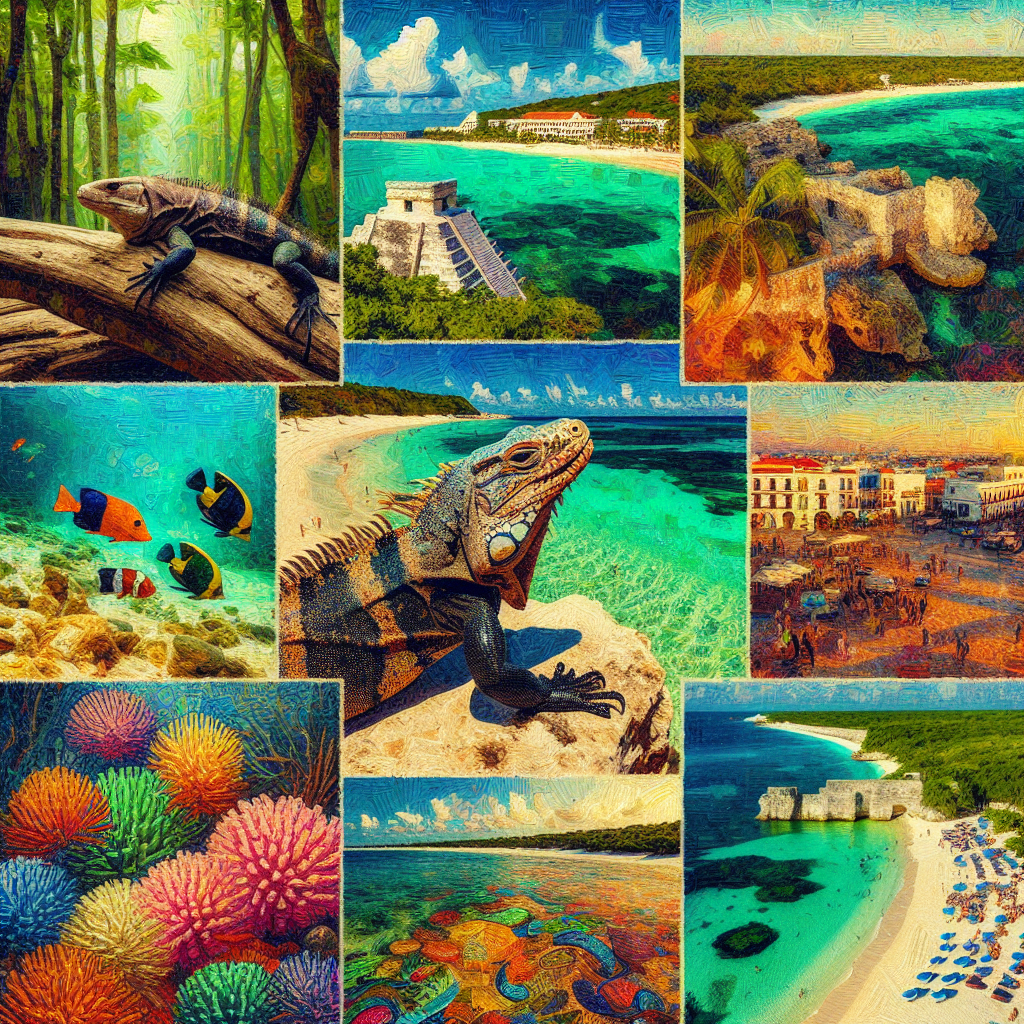
How Can You Protect Sea Turtles During Your Visit?
How Can You Protect Sea Turtles During Your Visit?
- Visiting Cozumel is not just a holiday; it’s a chance to protect ancient mariners—the sea turtles.
- Participate in beach clean-ups to help hatchlings safely reach the ocean and promote a cleaner environment.
- Be aware of nesting season and plan beach walks during evenings or join guided conservation tours.
- Avoid buying souvenirs made from turtle products and educate others on the importance of marine life.
- Foster community involvement by uniting efforts to protect sea turtles and inspire others.
- Share your experiences on social media to spread awareness and inspire a ripple effect of conservation.
- Embrace your role as a protector and champion for sea turtles during your visit to Cozumel.

How Can You Protect Sea Turtles During Your Visit?
What Scientific Factors Affect Turtle Sightings In Cozumel?
In the enchanting waters of Cozumel, a realm where the turquoise waves kiss the sun-soaked shore, the question of what drives turtle sightings is as intricate and compelling as the majestic creatures themselves. From the paradoxical beauty of their graceful glide through water to the sheer awe they evoke in beachgoers, understanding the scientific factors that influence these sightings is key to appreciating their role in this delicate ecosystem.
The first aspect to consider is the time of year. Sea turtles, like many creatures, are influenced by seasonal changes. Nesting typically occurs from May to October, drawn to the sandy beaches of Cozumel where they lay eggs under the moonlight. This cycle of life beckons eager vacationers hoping to catch a glimpse of hatchlings making their way to the sea, a sight that tugs at the heartstrings. But beyond pure spectacle lies a deeper, rational layer: conservation efforts are crucial. The right time to witness these magnificent events coincides with ongoing research into their survival, urging tourists to not just observe but to participate in responsible tourism, becoming stewards of the ocean.
Weather plays a significant role, too. The clarity of the waters can impact visibility for both tourists and turtles alike. Ideal conditions—calm, clear days—result in increased turtle sightings as they forage for seagrass. This connection between environmental conditions and wildlife behavior speaks to our innate desire to understand nature’s rhythms. It’s not just about “What’s out there?” but “How does it all work?” Grasping the intricate balance fosters a sense of authority and respect for these ancient mariners who have arguably been navigating our oceans longer than we’ve been exploring them.
Moreover, human activity, whether it’s pollution or fishing practices, leaves a lasting imprint on these habitats. This reality weighs heavily on the collective ethics of our society. When we step onto the sands of Cozumel, we become part of a shared narrative where every action—be it littering or supporting conservation—shapes the story of these turtles. We have the power to influence their fate; how sobering is that?
The bond forged between humans and nature can evoke a profound sense of responsibility, as we realize that safeguarding the turtles’ path is intertwined with our own. Let the call of Cozumel resonate not just as a perfect vacation spot but as a canvas inviting us to comprehensively engage in the dance of life under the sun-soaked skies. The beckoning waters of Cozumel are not merely a backdrop; they are a call to action—a chance to protect, cherish, and witness the timeless journey of sea turtles.

What Scientific Factors Affect Turtle Sightings In Cozumel?
What Scientific Factors Affect Turtle Sightings In Cozumel?
- Cozumel’s waters are a vital habitat for sea turtles, influencing sightings and understanding of these creatures.
- Sea turtles nesting occurs from May to October, attracting tourists eager to see hatchlings.
- Conservation efforts are essential; tourists can play a role in responsible tourism to help protect turtle populations.
- Weather significantly impacts turtle visibility; clear, calm days result in more sightings as turtles forage for seagrass.
- Human activities, such as pollution and fishing, have detrimental effects on sea turtle habitats.
- Visitors to Cozumel are part of a shared narrative affecting the turtles’ fate through their actions.
- Cozumel offers an opportunity for visitors to engage responsibly with nature and contribute to the preservation of sea turtles.

What Scientific Factors Affect Turtle Sightings In Cozumel?
When Does The Sea Turtle Nesting Season Peak In Cozumel?
When it comes to the enchanting world of Cozumel, few experiences can match the profound spectacle of sea turtle nesting season. Picture this: the sun sets, painting the sky with hues of orange and pink, as these magnificent creatures make their way from the turquoise waters onto the soft, inviting sands. From late May to late August, the beaches of Cozumel transform into sacred grounds where loggerhead and green turtles come to lay their eggs, a ritual rooted in history and survival. This is not just a natural phenomenon; it is a reminder of the resilience of life.
As the peak of nesting season approaches in July, the beaches become a blend of hope and silent drama. Turtles, guided only by instinct, venture ashore, leaving trails like whispers in the sand. The heart swells at the sight of these ancient mariners laboring to secure their future, yet the journey is fraught with peril. Each nest they create is a fragile promise, one that demands our protection. Are we not stewards of this planet? It’s a profound ethical question: what role do we play in ensuring that these creatures continue their age-old traditions?
The rational mind acknowledges the importance of protecting nesting sites. Cozumel’s eco-tourism thrives on this rich biodiversity, and those who understand this relationship can take action. Engaging with local conservation programs offers a chance to combine experience with advocacy. As community members and tourists witness the miracle of hatchlings breaking through the sand, we realize we are all connected through this thread of life.
And let’s not overlook the community aspect. As families and travelers gather during nesting season, the camaraderie that forms is palpable. The sense of connection grows as stories are shared — tales of successful hatchings, failures, and the sometimes messy, chaotic beauty of nature. Each year, those who participate in beach clean-ups or volunteer during the nesting season inspire others to join the cause. The results are measurable: increased hatchling survival rates and fewer nests disturbed.
In Cozumel, when the nesting season peaks, it’s more than just witnessing nature; it’s an invitation to actively engage with it. To be part of something bigger than ourselves. To protect the legacy of turtles as they embark on their incredible journey. So, whether you’re a local or a traveler, the call to action is clear: be an advocate for these magnificent sea turtles and the sandy shores that cradle their future.

When Does The Sea Turtle Nesting Season Peak In Cozumel?
When Does The Sea Turtle Nesting Season Peak In Cozumel?
- The sea turtle nesting season in Cozumel occurs from late May to late August.
- Loggerhead and green turtles nest on the beaches during this period, a ritual significant for survival.
- In July, the peak nesting season, turtles leave trails in the sand, highlighting their instinctual journey.
- Each nest represents a fragile promise and raises ethical questions about human responsibility for their protection.
- Engaging with local conservation programs can enhance eco-tourism and promote biodiversity awareness.
- The nesting season fosters community connections, as families and travelers share experiences and stories.
- Active involvement, such as beach clean-ups, has led to higher hatchling survival rates and less disturbance to nests.

When Does The Sea Turtle Nesting Season Peak In Cozumel?
Which Organizations Help Preserve Sea Turtle Habitats Here?
When you think of Cozumel, you might picture sun-kissed beaches and crystal-clear waters. But beneath those tranquil waves lies a world in peril—our sea turtles, navigating a treacherous path where their very homes are vanishing. This is where dedicated organizations step in, becoming the ultimate guardians of these ancient mariners, and reminding us all that we have a stake in their survival.
Groups like the Sea Turtle Conservancy are at the forefront, armed with both knowledge and compassion. They don’t just study sea turtles; they embody a commitment to preserve their habitats. Through rigorous research and community education, they shine a light on the harsh realities these creatures face. Picture it: a turtle painstakingly making its way back to the shore where it was born, only to find pollution clogging its path. Organizations like this turn heartache into hope. They teach us that every piece of trash removed from a beach is one less obstacle for a nesting mother. The math is simple—but the impact? Enormous.
Let’s not forget local heroes like the Cozumel Island Conservation Society, which ignites a spark in the community. They engage residents not just as spectators, but as active participants. Imagine children learning about the delicate balance of marine ecosystems through beach clean-ups and educational workshops, creating a new generation of stewards who recognize that the fate of these magnificent creatures is intertwined with their own.
It gets more personal when you reflect on what’s at stake. This isn’t just about sea turtles; it’s our shared responsibility to ensure that our actions today don’t rob future generations of the beauty and wonder these creatures provide. When you support organizations that are deeply rooted in the local community, you’re not just donating to a cause; you’re investing in a legacy of conservation, where the stories of these turtles are preserved for years to come.
So, when you’re soaking up the sun on those gorgeous Cozumel beaches, remember those who work tirelessly to keep them alive. Join hands with groups dedicated to this noble cause. Volunteer, donate, educate yourself, and others. Each small act creates ripples of change in a vast ocean. Together, let’s ensure that sea turtles continue their journey, not just for today, but for all tomorrows.
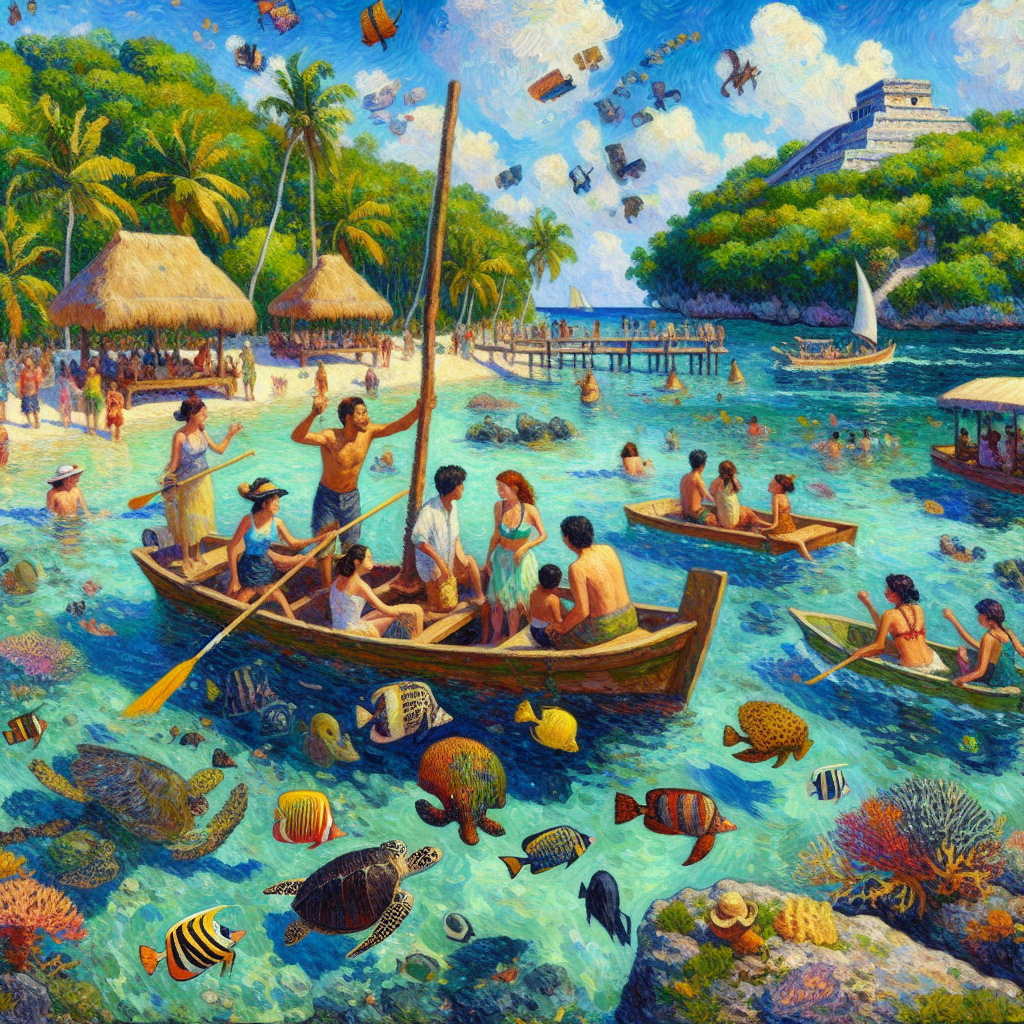
Which Organizations Help Preserve Sea Turtle Habitats Here?
Which Organizations Help Preserve Sea Turtle Habitats Here?
- Cozumel is home to beautiful beaches and waters, but sea turtles are facing significant threats.
- Organizations like the Sea Turtle Conservancy are dedicated to preserving sea turtle habitats through research and education.
- Cleaning up litter on beaches reduces obstacles for nesting sea turtles and supports their survival.
- The Cozumel Island Conservation Society engages the community, turning residents into active conservation participants.
- Local educational initiatives encourage the younger generation to understand and protect marine ecosystems.
- Supporting conservation organizations helps ensure the future of sea turtles and preserves their stories for generations.
- Everyone can contribute to conservation efforts through volunteering, donations, and education to create lasting change.

Which Organizations Help Preserve Sea Turtle Habitats Here?
How Do Local Cultures View Sea Turtles And Their Conservation?
In the pristine waters off Cozumel, sea turtles have long been more than just a fascinating spectacle; they’re threaded into the very fabric of local culture and identity. The sight of these majestic creatures gliding gracefully through the ocean invokes wonder and reverence, but it also brings forth a deeper conversation about conservation and stewardship. For many residents, sea turtles symbolize resilience against the backdrop of a changing world. Their nesting rituals, often occurring under the veil of night, have captivated generations, turning the act of witnessing these remarkable events into a rite of passage.
From childhood stories shared under starlit skies to community efforts in protecting nesting sites, these turtles resonate on an emotional level. They are not merely animals; they’re living metaphors for life’s enduring struggles and triumphs. The reality, however, is stark. The pressures of tourism, pollution, and climate change weigh heavily on these ancient mariners, and this is where the heart meets the head. Conservation is not just an act of safeguarding but a necessary response to a deeper moral imperative: the preservation of life’s tapestry.
In Cozumel, we’re offered a unique vantage point on the ethical dilemmas surrounding sea turtles. The local fishermen often find themselves torn between traditional practices and modern sustainability. Currently, more than ever, there’s an urgency for collaboration—engaging local voices, empowering communities, and fostering respect for both human livelihoods and wildlife preservation. It’s about creating a sense of authority within locals, granting them the knowledge and tools to become champions of the very ecosystems they depend upon.
Narratively, the stories of sea turtle conservation efforts echo through the halls of schools and community centers, cultivating a sense of pride. Engaging with tourists, locals share tales of the first turtle they ever saw, inviting visitors into their world and making them part of the narrative. This participation not only enhances ecological education but also fosters a universal connection between the human experience and the plight of sea turtles.
Ultimately, the local culture encapsulates a message that transcends language—action speaks louder than words. Every person can contribute to the protection of these remarkable creatures through simple choices and collective efforts. When communities recognize the inherent worth of preserving sea turtles, they strike a chord in the hearts and minds of all, inspiring trust and a call to action. Protecting these ancient mariners is not just an obligation; it’s an invitation to honor the past while ensuring a vibrant future for generations to come.

How Do Local Cultures View Sea Turtles And Their Conservation?
How Do Local Cultures View Sea Turtles And Their Conservation?
- Sea turtles hold significant cultural and identity value in Cozumel, representing resilience amid change.
- Their nesting rituals, occurring at night, are a rite of passage for locals and captivate generations.
- Emotional connections between locals and sea turtles highlight the need for conservation and stewardship.
- Tourism, pollution, and climate change pose serious threats to sea turtle populations, necessitating urgent action.
- Collaboration is essential for balancing tradition with modern sustainability among fishermen and communities.
- Local narratives about sea turtles foster pride and invite tourist participation in conservation efforts.
- Community recognition of the value of sea turtles encourages action, promoting a shared responsibility for their protection.
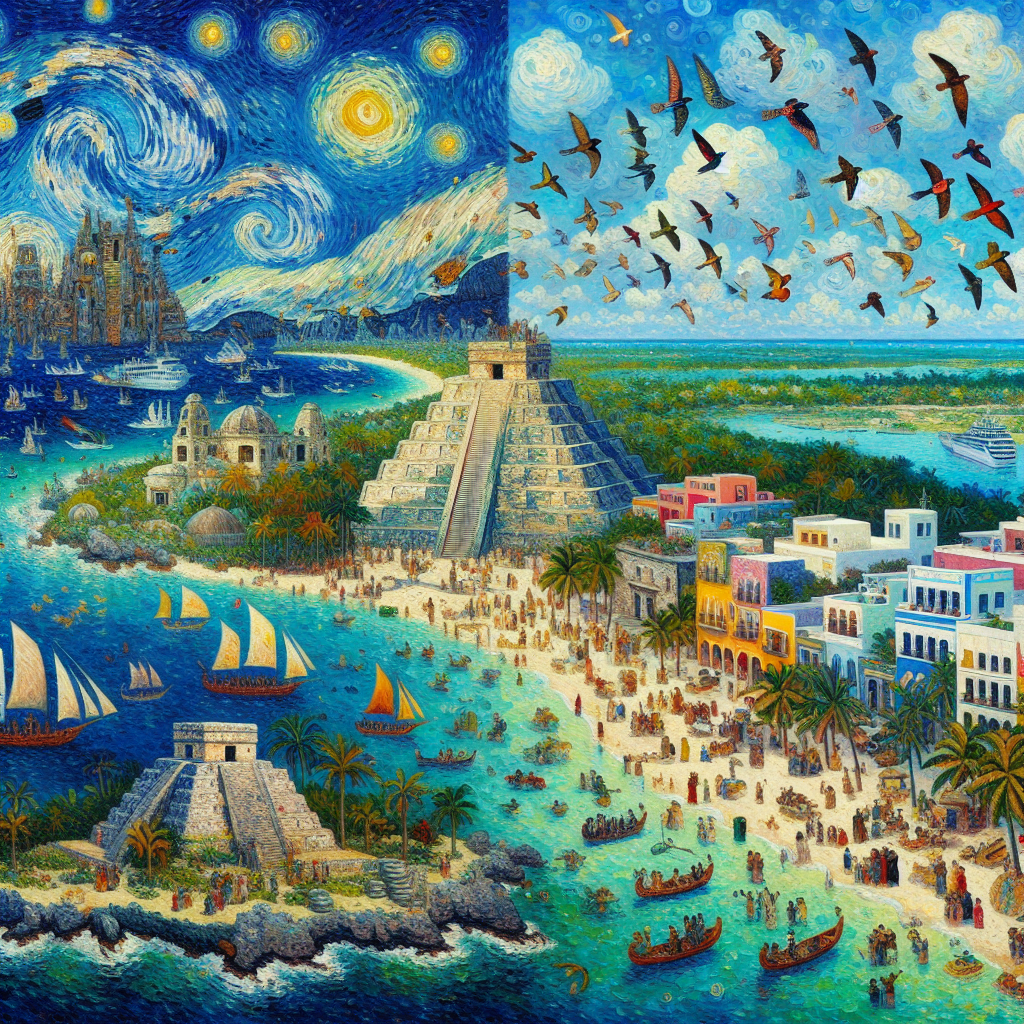
How Do Local Cultures View Sea Turtles And Their Conservation?
What Ethical Considerations Should You Keep In Mind While Observing?
Observing the world around us can be one of life’s most rewarding experiences, but with that privilege comes responsibility. Whether you’re in the vibrant streets of a bustling city, the serene shores of Cozumel, or the quiet corners of your local community, we need to consider the ethical implications of our gaze. It’s more than just looking; it’s about truly seeing and understanding our surroundings and the people within them.
First and foremost, empathy should guide your observations. Picture yourself in the shoes of those you’re observing. Each person has a story, a backdrop of triumphs and struggles that may be invisible at first glance. When you take a moment to appreciate their humanity, you make space for compassion—not just for what they show you, but for the untold tales they carry. This narrative connection fosters mutual respect and understanding.
Now, let’s get to the brainy part. Rationality plays a significant role as well. Observing ethically means asking yourself hard questions: Who am I to capture this moment? What right do I have to document someone’s life? It’s crucial to respect their privacy and autonomy. Consider the potential impact of your observations—will they uplift or exploit? The choices you make with your observations can either contribute to the betterment of society or add to the noise that diminishes individuality.
Yet feelings and reason don’t exist in isolation; we are social beings. Recognizing this interconnectedness strengthens not just your observational skills but your credibility as well. When you approach your observations with respect, others notice. Word spreads, and soon you become known as someone who values the human experience. This authority is earned through empathy and integrity, making your observations not only genuine but trustworthy.
Lastly, I want you to trust your gut. If something feels off while you observe, it probably is. Listen to that instinct. It’s a guide that often leads us toward more conscientious interactions. Balancing your heart, head, and gut isn’t just about ethical considerations; it’s about being a responsible citizen in this shared experience we call life. So take a breath, open your eyes, and see the world with a greater sense of purpose. Let your observations be a tribute to the stories that deserve to be told, not merely captured.
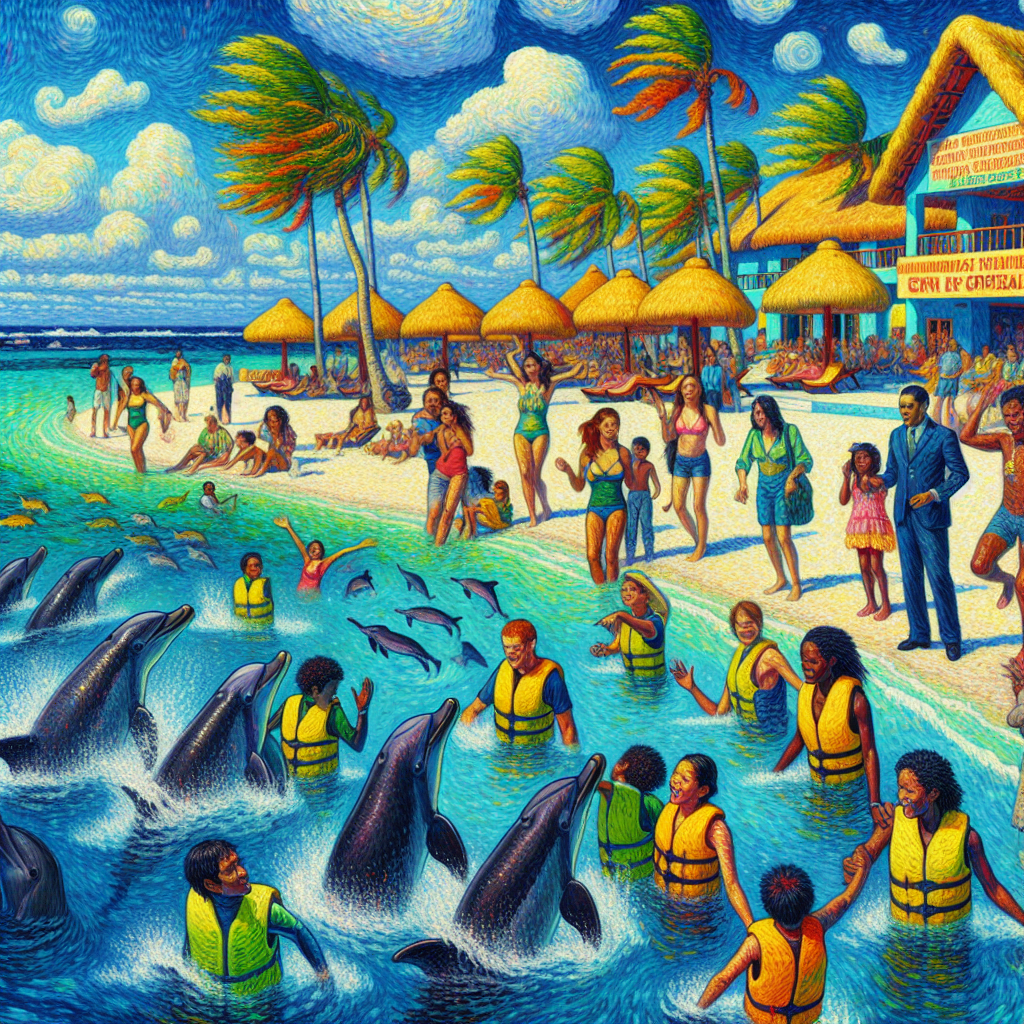
What Ethical Considerations Should You Keep In Mind While Observing?
What Ethical Considerations Should You Keep In Mind While Observing?
- Observing the world is rewarding but carries ethical responsibilities.
- Empathy is crucial; understand the stories and struggles of those you observe.
- Respect privacy and autonomy when documenting others’ lives.
- Consider the impact of your observations—do they uplift or exploit?
- Recognition of interconnectedness enhances your observational skills and credibility.
- Trust your instincts; if something feels off, it likely is.
- Balance your heart, head, and gut to be a responsible citizen in life.

What Ethical Considerations Should You Keep In Mind While Observing?
Conclusion
Cozumel is not just a postcard-perfect getaway; it’s a living, breathing ecosystem where the ancient dance of sea turtles unfolds along its pristine beaches. From late May through October, these remarkable creatures emerge from the depths, returning to the very sands where their own journeys began. Picture it—a moonlit night, the sound of waves, and a mother turtle navigating with instinctual precision, driven to lay her eggs. This experience transcends mere observation; it connects us to something deeper, a cycle of life pulsating with resilience and hope.
But witnessing these majestic turtles brings more than just awe—it compels us to reflect on our role as stewards of the earth. Take a moment to consider the journey of a hatchling making its perilous dash to the sea. Each tiny turtle embodies a struggle against adversity, reminding us how vital it is to ensure their survival. By engaging in local conservation efforts, participating in beach clean-ups, or choosing sustainable practices as tourists, we can carve a safer passage for these ancient mariners. Every piece of litter cleared from their path allows them to fulfill their legacy without obstruction.
It’s also about creating memories that linger long after your visit. Picture standing shoulder to shoulder with friends and family, eyes glued to the horizon, heartbeats synced with the rhythm of nature. Those moments shared under the stars, recounting stories of hatchlings and sea turtles, forge bonds that deepen our connections with one another—and with the planet we inhabit.
The organizations dedicated to preserving these idyllic shores are the true unsung heroes. Local groups, like the Cozumel Island Conservation Society, educate visitors and residents alike about the delicate balance of marine ecosystems. They illustrate the power of community action, empowering individuals to become champions of conservation. It’s not merely a matter of saving turtles; it’s about inspiring a collective ethos that nurtures future generations’ understanding of nature’s majesty.
So, as you plan that trip to Cozumel, visualize more than just sun-soaked relaxation; envision your role in this narrative of stewardship. Your efforts to protect these creatures can resonate through time, ensuring that the legacy of sea turtles continues to inspire. Be part of this journey; let the beauty of nature ignite your passion to protect it. This isn’t just a vacation; it’s a heartfelt commitment to the planet and its remarkable inhabitants. Let’s answer the call to action and embrace the responsibility that comes with such profound experiences, ensuring that the wonder of witnessing sea turtles remains alive for generations to come.

Conclusion
Conclusion:
- Cozumel is a vibrant ecosystem where sea turtles return to lay their eggs from late May through October.
- The experience of witnessing sea turtles connects us to the cycles of life and highlights resilience and hope.
- Observing hatchlings emphasizes the importance of conservation and our role in protecting their survival.
- Engaging in local conservation efforts and sustainable tourism practices can help ensure safer passages for turtles.
- Sharing experiences with friends and family under the stars can deepen bonds and foster connections to the planet.
- Organizations like the Cozumel Island Conservation Society play a crucial role in educating about marine ecosystems and conservation.
- Traveling to Cozumel offers an opportunity to commit to environmental stewardship and inspire future generations.

Conclusion
Other Resources

Other Resources
Most of the people who read this are also figuring out where to stay. A couple of places we run or know well, in case it’s useful: Cozumel Journey is an editorial guide to Cozumel — neighborhoods, planning tips, and life on the island for travelers who want context, not a cruise schedule.
Here is a list of other resources you can review online to learn more:
- Rainforest Cafe
- Chankanaab
- Chedraui
- Arrecifes de Cozumel National Park
- The Spa at Presidente InterContinental Cozumel Resort
- Malecon
- Aqua Safari Cozumel
- Cozumel Pearl Farm
- Breakfast At Silvias
- Reef Safe Sunscreen
- Studio Blue Cozumel
- Air Ambulance Worldwide
- Punta Morena
- La Choza Cozumel
- Kondesa Restaurant
- Amerimed
- Nachi Cocom Beach Club
- Chardonnay Italian Mexican Food Restaurant Cozumel
- our editorial guide to the island
Use This Prompt To Get More Resources With Your Favorite Online AI Tool: Please provide me with a list of online articles with their URLs in a bulleted list that I can read regarding When Is The Best Time to See Sea Turtles In Cozumel?

Other Resources
Glossary Terms
When Is The Best Time to See Sea Turtles In Cozumel? – Glossary Of Terms
1. Cozumel: An island in the Caribbean Sea off the eastern coast of Mexico, known for its coral reefs and marine life, including sea turtles.
2. Sea Turtle: A marine reptile characterized by a shell, flippers, and a diet that varies by species, often including sea grasses and jellyfish.
3. Nesting Season: The period during which sea turtles lay their eggs; for Cozumel, this typically occurs from May to October.
4. Hatching Season: The time when baby sea turtles emerge from their eggs, usually occurring 60 days after nesting, mainly between July and November in Cozumel.
5. Migration: The seasonal movement of sea turtles to feeding and nesting areas; can involve long distances traveled across oceans.
6. Conservation: Efforts aimed at protecting sea turtles and their habitats, including nesting sites and feeding grounds.
7. Turtle Sanctuary: A designated area where sea turtles are protected from threats like poaching and habitat destruction; often involves rehabilitation efforts.
8. Ecotourism: Responsible travel to natural areas that conserves the environment and improves the well-being of local people, often involving wildlife observation.
9. Loggerhead Turtle: A species of sea turtle known for its large head and aggressive feeding habits; common in the waters around Cozumel.
10. Green Turtle: A large sea turtle that primarily feeds on sea grasses; named for its greenish-colored fat.
11. Hawksbill Turtle: A critically endangered species known for its beautiful shell and role in coral reef ecosystems; often found near Cozumel.
12. Olive Ridley Turtle: The smallest sea turtle species; known for its unique nesting behavior called “arribada,” where large numbers nest together.
13. Kemp’s Ridley Turtle: The most endangered turtle species, known for its nesting patterns and preference for warm coastal waters.
14. Seasonality: The concept of seasonal patterns affecting wildlife behavior, including breeding and feeding times for sea turtles.
15. Beach Monitoring: The practice of observing and protecting nesting sites, often involving volunteers and conservationists.
16. Marine Habitat: Natural ecosystems in the ocean where sea turtles live and feed, including coral reefs, seagrass beds, and open waters.
17. Coral Reef: An underwater ecosystem formed by coral polyps, providing habitat and feeding grounds for various marine species, including sea turtles.
18. Pollution: The introduction of harmful substances into the environment, which can impact sea turtle health and habitats.
19. Bycatch: Non-target species caught inadvertently during fishing activities, posing a threat to sea turtles.
20. Environmental Awareness: Understanding and being informed about environmental issues affecting species and ecosystems, including sea turtle conservation.
21. Turtle Watching: A popular eco-friendly activity where tourists observe sea turtles in their natural habitat, emphasizing respect and protection.
22. Endangered Species: Species at risk of extinction; many sea turtles fall under this classification due to habitat loss and human activities.
23. Marine Protected Area (MPA): Regions where human activity is regulated to protect marine resources, crucial for the survival of sea turtles.
24. Rehabilitation: The process of caring for injured or sick sea turtles before releasing them back into the wild.
25. Biodiversity: The variety of life in a particular habitat or ecosystem; healthy coral reefs support high biodiversity, benefiting sea turtles.
26. Tidal Patterns: The changes in sea levels caused by gravitational interactions, affecting nesting and hatching conditions for turtles.
27. Sustainable Practices: Methods that aim to preserve the environment and natural resources while providing for human needs, applicable in tourism and fishing.
28. Species Protection Laws: Legislation designed to safeguard endangered species, including sea turtles, restricting hunting and habitat destruction.
29. Shoreline Conservation: Initiatives aimed at protecting coastal areas to enhance sea turtle nesting success and overall marine health.
30. Data Collection: The gathering of information on sea turtle populations, behaviors, and threats to inform conservation strategies.

Glossary Of Terms
Other Questions
When Is The Best Time to See Sea Turtles In Cozumel? – Other Questions
If you wish to explore and discover more, consider looking for answers to these questions:
- What are the different species of sea turtles found in Cozumel?
- How can tourists participate in local conservation programs?
- What safety measures should be taken while observing sea turtles?
- Can you swim with sea turtles in Cozumel, and is it ethical to do so?
- What are the best locations in Cozumel to see nesting sea turtles?
- How does climate change impact sea turtle populations in Cozumel?
- What role do local communities play in sea turtle conservation?
- What actions can individuals take to reduce plastic pollution affecting sea turtles?
- What time of day is best for turtle watching in Cozumel?
- Are there any restrictions or guidelines tourists should follow when observing turtles?

Other Questions
Haiku
When Is The Best Time to See Sea Turtles In Cozumel? – A Haiku
Turtles grace the shore,
Ancient rhythms pulse through sand,
Guardians tread softly.

Haiku
Poem
When Is The Best Time to See Sea Turtles In Cozumel? – A Poem
On Cozumel’s shores where the soft waves sigh,
Amidst the whisper of sunsets painted in the sky,
Journey back to moments when nature’s heartbeat glows,
Where ancient sea turtles, in grace, bestow.
From May to October, under a moonlit dance,
Mothers labor on sands, embracing their chance;
Each journey a saga, each hatchling a plea,
A tale of resilience we’re called to see.
Beneath the stars, with friends by your side,
You’re woven into the fabric, on this natural ride;
It’s not mere observation, but stewardship profound,
In every act of kindness, true connections abound.
Educate, advocate, let awareness ignite,
Each choice you make matters, as darkness gives light;
Join hands with local voices, be a beacon of care,
For the fragile balance that binds us all there.
As turtles return to the sands where they were once born,
Our responsibility for their future must be sworn;
With every piece of litter you lift from their path,
You’re shielding their legacy, embracing the aftermath.
So witness their magic—be moved, be inspired,
Feel the call of the ocean, let your spirit be fired;
For in this sacred moment of life’s tender weave,
Lies a lesson of love that we are bound to believe.
Cozumel whispers tales of beauty and strife,
In the dance with sea turtles, we find the pulse of life;
Let the tides of this journey forever entwine,
For in protecting their future, our hearts brightly shine.

Poem
Checklist
When Is The Best Time to See Sea Turtles In Cozumel? – A Checklist
Checklist for Experiencing Sea Turtles in Cozumel
Heartfelt Experiences
_____ Reflect on the Journey: Before witnessing the nesting turtles, consider the ancient journeys they undertake and the challenges they face.
_____ Engage Emotionally: Allow yourself to fully immerse in the moment – feel the excitement as hatchlings make their way to the ocean.
_____ Create Memories: Share the experience with friends and family, and capture your emotions and thoughts in a journal or digital format.
Rational Insights
_____ Understand the Timeline: Familiarize yourself with the nesting season (May to October) to optimize your chances of turtle sightings.
_____ Learn About Conservation: Research the role of sea turtles in marine ecosystems and their importance to biodiversity.
_____ Observe Nature: Pay attention to environmental conditions (like weather) that can affect turtle sightings and behavior.
Ethical Considerations
_____ Choose Responsible Activities: Opt for eco-tours or guided experiences that respect wildlife and their habitats.
_____ Avoid Harmful Products: Refrain from purchasing souvenirs made from turtle products; support ethical alternatives instead.
_____ Participate in Conservation Efforts: Consider volunteering for local organizations or joining beach clean-ups to help protect nesting sites.
Authority and Expertise
_____ Follow Local Guidance: Rely on the knowledge of local conservationists and guides regarding best practices for turtle observation.
_____ Educate Yourself Locally: Attend workshops or information sessions that the local conservation organizations offer.
Community and Connection
_____ Engage with Locals: Connect with community members who share their experiences and knowledge about sea turtles.
_____ Share Your Experience: Use social media or community boards to share your turtle-watching stories and encourage others to care for wildlife.
Intuition and Sensitivity
_____ Trust Your Instincts: If something feels unnatural in the interaction with turtles or the environment, reassess your actions.
_____ Be Present: Stay mindful and respectful of wildlife; observe quietly and without disrupting their natural behaviors.

Checklist
At TopCozumelNews, we help travelers enjoy Cozumel by collating information learned from frequently traveling to beautiful Cozumel.
Be sure to read our other related stories at TopCozumelNews to learn more about the Island of Cozumel.