Uncovering The Ancient Mysteries Of Cozumel
By Tom Seest
At TopCozumelNews, we help travelers enjoy Cozumel by collating information learned from frequently traveling to beautiful Cozumel.
Be sure to read our other related stories at TopCozumelNews to learn more about the Island of Cozumel.
Does Cozumel Have Mayan Ruins?
Ah, Cozumel—this tropical paradise conjures images of sparkling blue waters, palm-lined beaches, and tantalizing bites of fresh ceviche. But among the sunbathers and cruise ship visitors lies a question as enticing as the scenery: Does Cozumel have Mayan ruins? The answer is a resounding “yes,” though you might have to tread a little deeper into the island’s verdant interior to uncover the ancient secrets buried beneath the vibrant hustle of beach life.
Cozumel isn’t just a pretty face; it’s also a place steeped in history, particularly the history of the Mayans. While many people think of the grand temples of Tikal or Chichen Itza when they hear “Mayan ruins,” Cozumel has its own unique story etched into the fabric of its land. The island was once a significant hub for the ancient Mayans—one that drew worshippers seeking to honor the goddess Ix Chel, the deity of fertility and medicine. They journeyed across the waves to pay homage at the island’s sacred sites, leaving behind relics that tell tales of their vibrant culture.
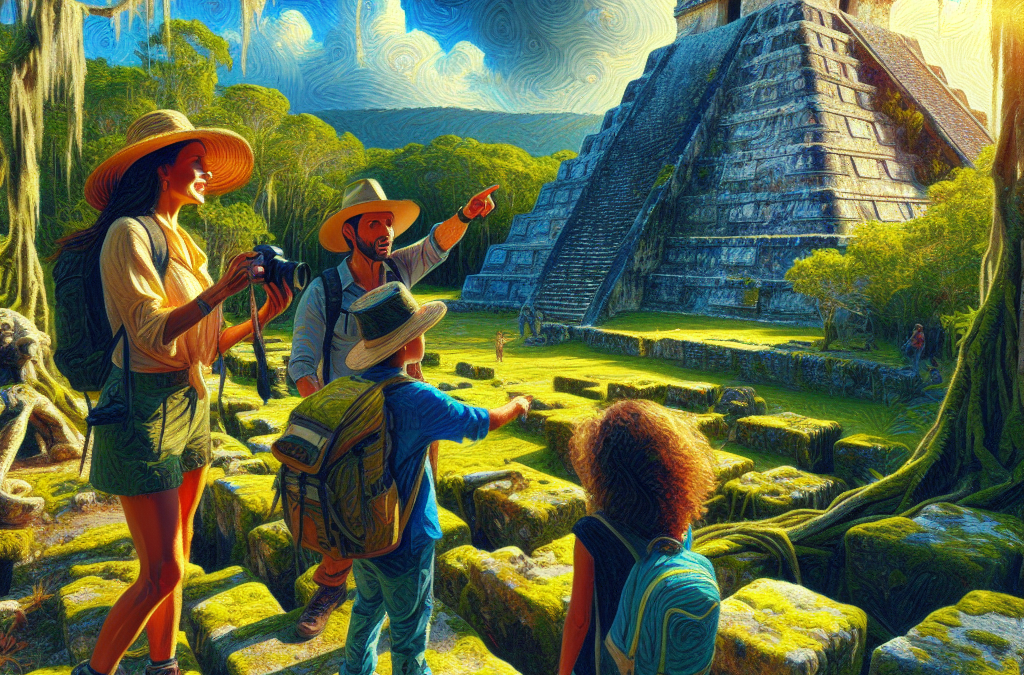
The most notable ruins you’ll find on Cozumel are the remains of San Gervasio. This archaeological site isn’t going to compete with the grandiosity of other Mayan cities, but it offers a more intimate glimpse into the lives of those who inhabited the island. As you wander the site, you’ll be greeted with stone structures that whisper stories of rituals, trade, and a society intricately connected to the cycles of nature.
Strolling through San Gervasio, you might spot crumbling walls overrun with vines and hear the distant sounds of tropical birds flitting through the trees. What’s profound about this place is that it’s not just about the past; it’s about understanding how the Mayans viewed their world. They revered the natural beauty around them, something today’s tourists can appreciate while reflecting on the connection between man and nature.
So, while Cozumel may not have the grandeur of ancient pyramids, it hums with a history just waiting to be explored. The ruins beckon you to dive deeper than the surface-level paradise, encouraging you to immerse yourself in the rich tapestry of Mayan heritage that still pulses with life on this charming island.
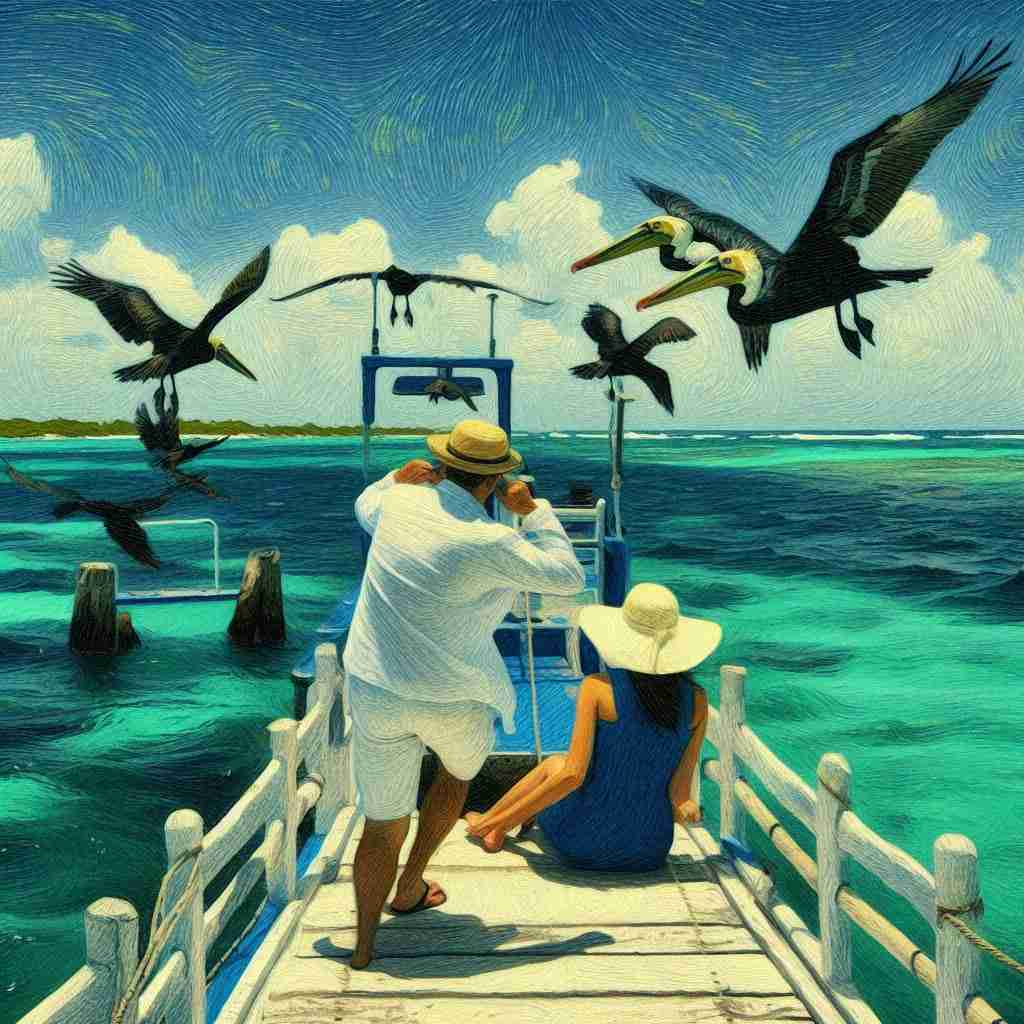
Does Cozumel Have Mayan Ruins?
Does Cozumel Have Mayan Ruins?
- Cozumel is known for its beautiful scenery, including blue waters and beaches.
- The island contains ancient Mayan ruins that require deeper exploration to uncover.
- Cozumel was a significant location for the ancient Mayans, particularly for worshipping the goddess Ix Chel.
- The most notable ruins on the island are the remains of San Gervasio.
- San Gervasio offers an intimate glimpse into Mayan life, with stone structures that reveal their rituals and trade.
- The ruins reflect the Mayans’ reverence for nature and their connection to the world around them.
- Cozumel’s history invites tourists to explore its Mayan heritage beyond its beautiful surface.
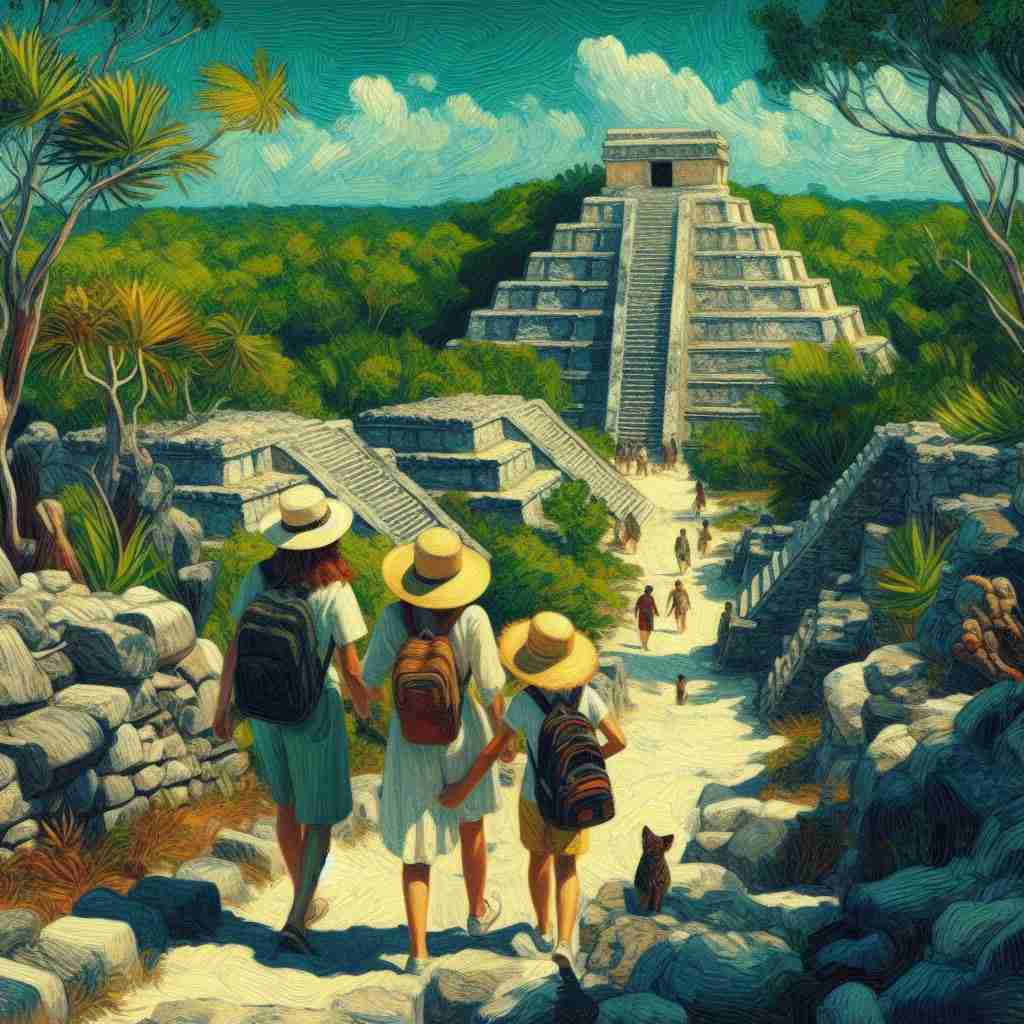
Does Cozumel Have Mayan Ruins?
Table Of Contents
- Does Cozumel Have Mayan Ruins?
- Is San Gervasio a Mayan Ruin on the Island Of Cozumel?
- Is El Cedral a Mayan Ruin on the Island Of Cozumel?
- Is El Caracol a Mayan Ruin on the Island Of Cozumel?
- Are Cenotes a Mayan Ruin on the Island Of Cozumel?
- Does Cozumel Have Mayan Ruins?
- What Are The Main Mayan Sites In Cozumel?
- How Do I Get To The Mayan Ruins In Cozumel?
- Conclusion
- Other Resources
- Glossary Of Terms
- Other Questions
- Haiku
- Poem
- Checklist
Is San Gervasio a Mayan Ruin on the Island Of Cozumel?
San Gervasio is a fascinating piece of history nestled in the lush landscapes of Cozumel, a Caribbean island that serves as a vibrant hub for sunbathers and thrill-seekers alike. But while most visitors flock to the pristine beaches and bustling markets, there’s a whispering echo of the past waiting to be discovered. That whisper comes from the ruins of San Gervasio, a lesser-known but profoundly significant Mayan site that invites curious explorers to step into a world long forgotten.
Picture this: you’re wandering through the dense vegetation of Cozumel, the air thick with the scent of palm trees and the distant sounds of tropical wildlife. Suddenly, you find yourself standing before ancient stone structures, remnants of a civilization that once thrived here over a thousand years ago. San Gervasio is not just a collection of crumbling buildings; it was once a vital center for the Mayans, dedicated to the goddess Ix Chel, a deity associated with love, fertility, and medicine.
As you stroll along the pathways, it’s easy to imagine the priests performing rituals, the markets bustling with activity, and the stories that were shared—tales woven into the fabric of Mayan culture and spirituality. San Gervasio served not only as a ceremonial site but also as a point of pilgrimage for Mayan women seeking blessings from Ix Chel, a testament to its importance in their lives.
The architecture is indicative of the time, characterized by traditional Mayan techniques and designs. You’ll encounter well-preserved stone edifices, complete with altars and even some original carvings. Each step you take is a reminder that this was once a thriving community where people lived, worshiped, and exchanged ideas.
What’s striking about San Gervasio is its authenticity. Unlike some heavily restored sites, this ruin offers a more genuine glimpse into the ancient world. It’s not too flashy; it doesn’t demand your attention with gaudy souvenir shops or flashy lighting. Instead, it speaks softly, asking you to contemplate its history and the lives of those who walked here long ago.
So, is San Gervasio a Mayan ruin? Absolutely. But it’s more than just a collection of stones. It’s a story waiting to be told, and for anyone willing to step off the beaten path, it’s a treasure trove of insight into a culture that shaped the very foundation of Mesoamerica. If you find yourself on Cozumel, don’t miss the chance to connect with this piece of history. It’s a journey worth taking.

Is San Gervasio a Mayan Ruin on the Island Of Cozumel?
Is San Gervasio a Mayan Ruin on the Island Of Cozumel?
- San Gervasio is a significant Mayan site located on Cozumel, a Caribbean island.
- It served as a vital center dedicated to Ix Chel, the goddess of love, fertility, and medicine.
- Visitors can experience the site’s ancient stone structures and well-preserved buildings.
- San Gervasio was a pilgrimage point for Mayan women seeking blessings from Ix Chel.
- The architecture reflects traditional Mayan techniques and designs, offering a glimpse into their culture.
- The site maintains authenticity, lacking heavy restoration or commercialization.
- Visiting San Gervasio provides insights into the history and culture that shaped Mesoamerica.
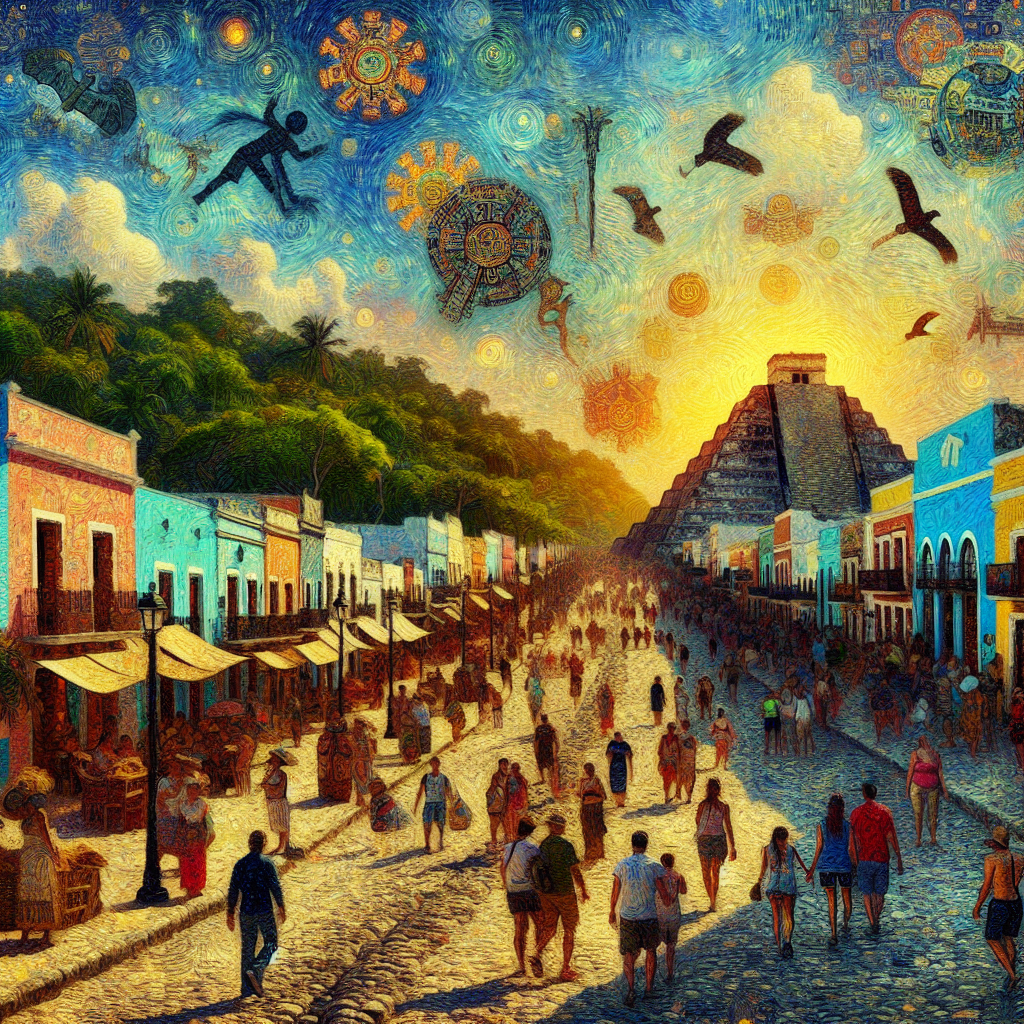
Is San Gervasio a Mayan Ruin on the Island Of Cozumel?
Is El Cedral a Mayan Ruin on the Island Of Cozumel?
Nestled on the southern tip of Cozumel, El Cedral is often cloaked in a veil of intrigue, lured by whispers of ancient civilizations and hidden histories. Tourists flock to the island for its crystal-clear waters and vibrant coral reefs, but just a stone’s throw away from these postcard-perfect beaches, El Cedral quietly stands as a testament to the island’s storied past. So, is El Cedral a Mayan ruin? Let’s dive into the layers of concrete and conjecture and scratch beneath the surface.
Once upon a time, El Cedral was more than just a picturesque village; it was a bustling hub for the ancient Maya. Though not as grand as the towering ruins of Tulum or Chichen Itza, El Cedral boasts its own brand of charm and significance. As you meander through the site, you’ll soon discover small structures that hint at a once-thriving community. While many of the original structures have succumbed to the ravages of time, the few that remain are intriguing enough to pique the curiosity of any history buff.
Contrary to the towering pyramids we often associate with Mayan civilization, El Cedral’s features reflect the lifestyle of the Maya who inhabited Cozumel—farming, trade, and, yes, rituals that honored their deities. This village served as a religious and ceremonial center for the island’s inhabitants.
If you’re expecting a colossal archaeological complex, prepare to recalibrate your expectations. There’s an intimacy to El Cedral that larger ruins lack. Visitors can wander freely, absorbing the gentle winds and the sounds of nature that have remained constant since the footprints of its Mayan ancestors graced the ground.
In the late 19th century, El Cedral emerged again as a focal point as settlers from the mainland arrived, drawn by the prospects of this fertile soil. The legacy of the Maya remains etched into the community’s life, with colorful festivals still celebrating their history.
So, while El Cedral may not rival the grandeur or the tourist throngs of its more famous counterparts, it is undeniably a slice of the rich tapestry of Mayan history in Cozumel. The site serves as a quiet reminder of the people who once called it home, and for those willing to look closely, there are stories etched in every stone—if you’re prepared to listen.
Is El Cedral a Mayan Ruin on the Island Of Cozumel?
Is El Cedral a Mayan Ruin on the Island Of Cozumel?
- El Cedral is located at the southern tip of Cozumel, shrouded in mystery related to ancient civilizations.
- It was once a bustling hub for the ancient Maya, showcasing a different aspect of Mayan life compared to larger ruins.
- The site contains small structures that indicate the existence of a thriving community, despite many having deteriorated over time.
- El Cedral served as a religious and ceremonial center, reflecting the Maya’s lifestyle of farming, trade, and rituals.
- Visitors can enjoy an intimate experience at El Cedral, free from the crowds typical of larger archaeological sites.
- In the late 19th century, it gained prominence again as settlers from the mainland recognized its fertile land.
- While lesser-known than other Mayan sites, El Cedral remains an important part of Cozumel’s cultural history and heritage.

Is El Cedral a Mayan Ruin on the Island Of Cozumel?
Is El Caracol a Mayan Ruin on the Island Of Cozumel?
When you talk about the great civilizations of Mesoamerica, the Mayans come to mind with their impressive temples and sprawling cities. But what about El Caracol? Nestled on the lush, green landscapes of Cozumel Island, it’s an archaeological site often shrouded in mystery and intrigue. Let’s take a closer look at whether this site truly qualifies as a Mayan ruin and what makes it so interesting.
First, let’s get one thing straight: El Caracol isn’t as well-known as its counterparts like Chichen Itza or Tulum, but that doesn’t mean it’s any less fascinating. The term “El Caracol” translates to “The Snail,” which might make you think of a leisurely stroll through a coastal resort town. But step away from the beach umbrellas and into the dense jungles of Cozumel, and you’ll discover remnants of a civilization that thrived long before tourism became the island’s primary industry.
Discovered in the mid-2000s, El Caracol features a distinctive circular structure that stands out among the square platforms typical of many other Mayan sites. Skeptics may question its validity as a significant archaeological site, but look a little closer, and you’ll find evidence that this area was indeed a part of the broader Mayan civilization. What’s remarkable is the elevation and the orientation of the structures, which hint at the Mayans’ sophisticated understanding of astronomy, something they wielded like a finely honed tool to navigate both land and time.
While El Caracol might not have the dramatic steps of a pyramid soaring skyward, it still tells an important story. Archaeologists believe that this site could have functioned as an astronomical observatory, where the ancient Mayans tracked celestial movements. This connection to the stars underscores a cultural sophistication that begs our respect, whether we’re drawn in by the beach or the history of Cozumel.
So, is El Caracol a Mayan ruin? Absolutely. It’s a piece of the grand puzzle that makes up the rich tapestry of Mayan history. As you stroll through the remnants of this site, let the whispers of the past guide your imagination, drawing you into the vibrant narratives and the ancient wisdom that still resonate through these jungle pathways today. Whether you’re a history buff or just someone who appreciates a good adventure, this site is worth your attention.

Is El Caracol a Mayan Ruin on the Island Of Cozumel?
Is El Caracol a Mayan Ruin on the Island Of Cozumel?
- El Caracol is an archaeological site located on Cozumel Island, often overlooked compared to major Mayan ruins like Chichen Itza and Tulum.
- The name “El Caracol” translates to “The Snail,” inviting curiosity about its significance beyond a casual resort destination.
- Discovered in the mid-2000s, the site features a unique circular structure differing from the typical square platforms of other Mayan sites.
- Evidence suggests El Caracol was an integral part of the Mayan civilization, with notable elevation and orientation indicating advanced astronomical knowledge.
- The site is believed to have functioned as an astronomical observatory for tracking celestial movements, highlighting the cultural sophistication of the ancient Mayans.
- El Caracol contributes to the broader understanding of Mayan history, showcasing the intricacies of their civilization.
- This site appeals to history enthusiasts and adventure seekers alike, making it a valuable destination on Cozumel.

Is El Caracol a Mayan Ruin on the Island Of Cozumel?
Are Cenotes a Mayan Ruin on the Island Of Cozumel?
When you think of Cozumel, your mind might conjure images of golden beaches, vibrant coral reefs, and bustling marketplaces filled with the aroma of street tacos. But while Cozumel certainly boasts all that, it also hides a different treasure beneath its surface: cenotes. These stunning natural sinkholes, formed through the collapse of limestone bedrock, are often mistaken for Mayan ruins, and for good reason. They were indeed essential to the ancient Maya civilization, serving as both a water source and a site of worship, but they are not ruins in the traditional sense.
Let’s dive in—figuratively, of course. Cenotes are scattered across the Yucatán Peninsula, and Cozumel is no exception. These natural pools are more than just a pretty face; they are deep with history. The Maya revered cenotes not merely for their practicality but for their spirituality. To them, these sacred waters represented a connection to the underworld and the gods. Offering sacrifices in these cenotes was not uncommon; they believed the deeper you could go, the closer you were to the divine.
Now, if you find yourself pondering whether a cenote counts as a Mayan ruin, you might consider how the term “ruin” applies. When we think of ruins, we envision crumbling temples, ancient plazas, and the remains of grand structures like those found at Tulum or Chichen Itza. Cenotes, on the other hand, are natural formations with a more organic charm. Even though they lack the man-made artistry of traditional ruins, the cultural significance of cenotes cannot be overstated. They are remnants of a civilization that revered nature, seamlessly blending the environment into their belief systems.
Visitors exploring Cozumel often flock to these magical swimming holes for a refreshing dip or to snorkel amidst rocky limestone formations and stalactites. But while you’re splashing around, it’s worth taking a moment to appreciate the ancient connections that these sites have with the past. Imagine, just for a second, a Mayan priest standing on the edge of a cenote, looking into the water—thinking about the offerings they’d toss in, creating ripples that would carry their prayers into the depths.
So, while cenotes themselves may not be Mayan ruins, they are certainly vital pieces of the puzzle. A rich tapestry of culture, history, and nature awaits you beneath the surface. Just remember, the next time you take a swim in one, you might just be connecting with something far deeper than water.

Are Cenotes a Mayan Ruin on the Island Of Cozumel?
Are Cenotes a Mayan Ruin on the Island Of Cozumel?
- Cozumel is known for its golden beaches, coral reefs, and vibrant marketplaces, but also features cenotes.
- Cenotes are natural sinkholes formed by collapsing limestone bedrock, significant to the ancient Maya civilization for water and worship.
- These sacred waters symbolized a connection to the underworld and the gods, with sacrifices made to honor this belief.
- Unlike traditional Mayan ruins, cenotes are natural formations that blend cultural significance with the environment.
- Visitors often explore cenotes for swimming and snorkeling, experiencing both beauty and history.
- The cenotes serve as reminders of the ancient Maya’s reverence for nature, enriching the cultural landscape of cozumel.
- Swimming in a cenote connects visitors to the spiritual history and rituals of the ancient Maya civilization.

Are Cenotes a Mayan Ruin on the Island Of Cozumel?
Does Cozumel Have Mayan Ruins?
When you think of Mexico’s ancient civilizations, your mind likely drifts to the grandiose pyramids of the Yucatán Peninsula or the bustling metropolises of the Maya. But what about Cozumel? This picturesque island, draped in sun and surrounded by crystal-clear waters, has its own storied past that is often overshadowed by its more famous neighbors. So, does Cozumel have Mayan ruins? The short answer is yes, but the tale is a bit more nuanced.
Cozumel, with its idyllic beaches and vibrant coral reefs, was not just a beach destination for the ancient Maya; it played a vital role in their trade networks and spiritual practices. While the island may not boast the monumental structures of Tikal or Chichen Itza, it’s home to several archaeological sites that offer a glimpse into the daily lives and beliefs of the people who inhabited the region long before the arrival of Europeans.
One of the noteworthy sites is the San Gervasio ruins. Once a significant ceremonial center, San Gervasio was dedicated to the goddess of love and fertility, Ix Chel. Pilgrims would travel across the waters to honor her, leaving behind offerings and seeking her blessings. Walking among the remnants of ancient stone structures and temple sites, you can almost hear the whispers of those who sought guidance from the divine. The jungle has reclaimed much of the area, but traces of the Maya’s craftsmanship and their deep connection to the land remain palpable.
Then there’s El Caracol, another site that might not be on everyone’s radar but deserves mention. While smaller than San Gervasio, El Caracol offers a peek into the Mayan’s impressive understanding of astronomy. They built observatories for tracking celestial events—a fascinating contrast to the modern distractions we face today.
Now, let’s not forget that this isn’t a race to see who can find the most temples or artifacts. It’s about the journey through history, allowing visitors to connect with a culture that thrived on the very island they’re walking. So, while Cozumel may not be the first name that comes to mind when discussing Mayan ruins, its archaeological sites certainly carry an allure that’s both rich and inviting, reminding us that history often hides in plain sight, waiting for curious souls to uncover its secrets.

Does Cozumel Have Mayan Ruins?
Does Cozumel Have Mayan Ruins?
- Cozumel, a picturesque island in Mexico, has a rich history often overlooked compared to the Yucatán Peninsula.
- The island was significant to the ancient Maya, playing a vital role in trade networks and spiritual practices.
- Notable archaeological sites on Cozumel include the San Gervasio ruins, dedicated to the goddess Ix Chel.
- San Gervasio served as a ceremonial center where pilgrims sought blessings and left offerings.
- El Caracol is another important site, showcasing the Maya’s advanced knowledge of astronomy through its observatories.
- Cozumel’s archaeological sites invite visitors to connect with the ancient culture embedded in the island’s landscape.
- The history of Cozumel, while not as famous, offers a rich and inviting exploration of Mayan civilization.
Does Cozumel Have Mayan Ruins?
What Are The Main Mayan Sites In Cozumel?
Cozumel, that sun-drenched paradise off the Yucatán Peninsula, isn’t just a playground for sunbathers and scuba divers. Beneath its vibrant waters and sandy beaches lies a rich tapestry of history, woven with the threads of civilization long past. Enter the ancient Mayans, whose presence is still felt in several astonishing sites across the island.
First up, we have San Gervasio. This archaeological treasure, once a sacred site devoted to the goddess Ix Chel, was the beating heart of Mayan spiritual life on Cozumel. Picture this: the gentle rustle of palm fronds swaying overhead as you stroll along the paths once trodden by priests and pilgrims. You can almost hear the whispers of the past as you explore its temples and plazas, some dating back to the early classic period. Each stone tells a story, and those stories are steeped in rituals and reverence, a palpable connection to a spirituality deeply intertwined with the island’s landscape.
Next, there’s the lesser-known site of El Caracol. A small gem tucked away from the throngs of tourists, El Caracol is a must-visit for anyone interested in how the Mayans observed celestial events. This site acted as an astronomical observatory, where the Mayans tracked the sun, moon, and stars. While it may not rival its larger cousins in grandeur, the simplicity and purpose of this site resonate deeply with those who linger a little longer to soak in its significance.
Then there’s the ruins of Tancah, a bit off the beaten path. This ancient settlement offers a delightful blend of Mayan architecture and lush nature, proving that history can thrive alongside the present. Strolling through Tancah, you’ll encounter crumbling walls and structures that echo the ingenuity of a civilization that flourished in harmony with its environment, reminding us that nature and culture are intertwined threads in the fabric of existence.
Finally, it would be remiss not to mention the coastal site of Xelhá, famous for its spectacular cenotes. While primarily recognized for its beauty and snorkeling opportunities, it also holds archaeological significance. The Mayans viewed cenotes as sacred, offering them a source of water and a glimpse into the underworld—a vital connection to their culture and beliefs.
So, if you find yourself in Cozumel, take a break from the beach and explore these remarkable sites. They’re not just relics of history; they’re gateways to understanding a culture that once thrived in this stunning corner of the world. History, after all, is all around us; we just have to open our eyes to see it.

What Are The Main Mayan Sites In Cozumel?
What Are The Main Mayan Sites In Cozumel?
- Cozumel, located off the Yucatán Peninsula, features rich historical and cultural heritage beyond its beaches and scuba diving.
- San Gervasio, an archaeological site, was sacred to the Mayans and served as a center of spiritual life dedicated to the goddess Ix Chel.
- Visitors can explore temples and plazas at San Gervasio, connecting with ancient rituals and spirituality.
- El Caracol is a lesser-known site that functioned as an astronomical observatory for the Mayans, tracking celestial events.
- Tancah offers a blend of Mayan architecture and nature, showcasing the harmony between civilization and environment.
- Xelhá, known for its beautiful cenotes, holds archaeological importance as cenotes were sacred to the Mayans.
- Exploring these sites in Cozumel provides insight into the thriving Mayan culture and its deep-rooted connections to the landscape.
What Are The Main Mayan Sites In Cozumel?
How Do I Get To The Mayan Ruins In Cozumel?
Ah, Cozumel! A glorious gem of an island that beckons with sun-drenched beaches and sparkling blue waters. Yet, just beyond the sandy shores lies a treasure trove of history begging to be explored—the Mayan ruins. If you’re scratching your head over how to get to these ancient sites, let’s break it down without sugarcoating a thing.
First up, transportation. Cozumel is a relatively small island, but getting around requires a bit of planning. Unless you’re one of those thrill-seekers who plans to rent a scooter and dodge the occasional iguana crossing the road, your best bet is to hire a local guide or join a tour. Trust me, this isn’t just a matter of convenience; it’s about safety and maximizing your experience. Local guides are loaded with knowledge and can navigate the sometimes confusing roads with ease.
If you’re feeling adventurous and want to strike out on your own, rental cars and scooters are available. But let’s be clear: the roads can be a bit rough around the edges, and it’s not uncommon to encounter more than a few potholes. A trusty map or GPS is your friend here, especially when the signs seem to have been designed more for tourists than actual navigation.
Now, as for the ruins themselves, you have a couple of stellar options. The San Gervasio ruins are the crown jewel of Cozumel’s archaeological sites. Once a pivotal Mayan site dedicated to the goddess Ix Chel, it’s about a 20-minute drive from the island’s main town, San Miguel. It’s an easy trek, and you’ll be greeted by ancient structures where time stands still, allowing you to soak up the rich history around you.
But if you want the full Mayan experience, you might want to hop on a ferry to the mainland. Tulum may steal the show for its coastal views and impressive cliffside location, but it’s nothing short of spectacular. Just a couple of hours’ drive from Cozumel, it’s worth every moment. That white sand backdrop against awe-inspiring ruins is a photo op that should not be missed.
In short, whether you choose a guided tour or brave the roads on your own, getting to the Mayan ruins in Cozumel is a journey worth taking. So gear up, and get ready to step back in time. Your adventure awaits!
How Do I Get To The Mayan Ruins In Cozumel?
How Do I Get To The Mayan Ruins In Cozumel?
- Cozumel is known for its beautiful beaches and rich history, including Mayan ruins.
- Transportation options include hiring a local guide or joining a tour for convenience and safety.
- Adventurous travelers can rent cars or scooters, but should be cautious of rough roads and potholes.
- San Gervasio ruins are a key archaeological site on the island, located about 20 minutes from San Miguel.
- Tulum is accessible by ferry and offers stunning views and impressive ruins, about two hours from Cozumel.
- Both guided tours and self-navigation are valid options for visiting the Mayan ruins.
- Exploring the ruins provides a valuable opportunity to experience the rich history of the area.

How Do I Get To The Mayan Ruins In Cozumel?
Conclusion
Now, let’s tie the vibrant threads of history and intrigue together as we wrap up our journey through the Mayan ruins of Cozumel. Mike Rowe here—reminding you that while this paradise might primarily be known for its stunning beaches and crystal-clear waters, there’s a hidden dimension that beckons to all who dare to dig deeper. Yes, Cozumel is home to ancient Mayan ruins, and let’s be honest: they’re a lot more than just remnants of a bygone era; they’re portals to an incredible past.
First off, we can’t ignore San Gervasio. This isn’t your typical tourist trap vying for attention with neon lights; oh no, it’s a living testament to the Mayans’ devotion to their goddess Ix Chel. Picture yourself wandering amid stone structures that whisper tales of ancient rituals and trade, each step resonating with the echoes of a civilization that thrived on this very island. It’s a reminder that beneath the sun-soaked exterior, history is breathing and alive—more than a pretty face, it’s a history book just waiting for curious minds to explore its pages.
Then there’s El Cedral and El Caracol. These lesser-known sites offer a more intimate connection to the Mayans—picturesque but profound. El Cedral, with its simple charm, hearkens back to a vibrant community that honored its deities through ritual, while El Caracol shines a light on the Mayans’ celestial smarts, showcasing their astronomical prowess. Who knew you could gaze at the stars and walk through ancient civilization all in the same breath?
And we’d be remiss if we didn’t mention the cenotes—the sacred waters that once connected the Mayans to the divine, blurring the line between the sacred and the everyday. These natural wonders invite contemplation, beckoning you to plunge beneath the surface, both literally and metaphorically.
So, whether you’re a history buff or a beach bum, Cozumel invites you to explore and appreciate its richness beyond mere sunbathing and snorkeling. Don’t just skim the surface; dive into the narratives carved into the stones and, in doing so, pay homage to a culture that still resonates today. History is waiting, folks—are you ready to listen? With your adventurous spirit ignited, take the plunge and discover the echoes of the past that are anything but buried.

Conclusion
Conclusion:
- Cozumel is renowned for its stunning beaches and clear waters, but it also hosts ancient Mayan ruins.
- San Gervasio is a significant site reflecting the Mayans’ devotion to the goddess Ix Chel.
- Visitors can explore stone structures at San Gervasio, which reveal stories of rituals and trade.
- El Cedral and El Caracol offer a deeper connection to Mayan culture, showcasing their rituals and astronomical knowledge.
- Cenotes served as sacred waters, connecting the Mayans to the divine and prompting contemplation.
- Cozumel invites all visitors—whether history enthusiasts or beach lovers—to uncover its rich cultural heritage.
- Encourages exploration beyond surface attractions, urging individuals to engage with the region’s historical narratives.
Conclusion
Other Resources
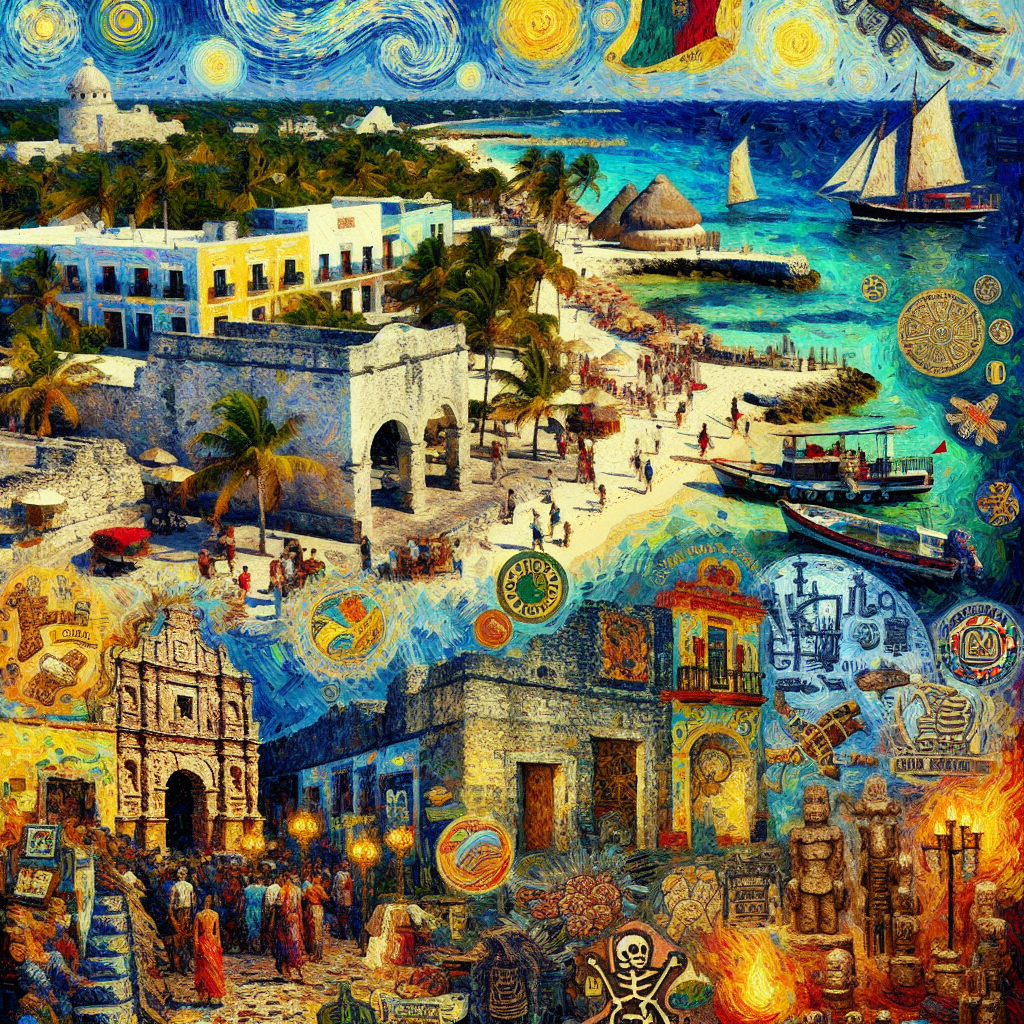
Other Resources
Most of the people who read this are also figuring out where to stay. A couple of places we run or know well, in case it’s useful: Cozumel Journey is an editorial guide to Cozumel — neighborhoods, planning tips, and life on the island for travelers who want context, not a cruise schedule.
Here is a list of other resources you can review online to learn more:
- El Coffee Cozumel
- Cozumel Water Sports
- Costamed Cozumel Hospital
- Novena Ola
- Winjet
- Mercado Municipal
- K’ooben Laab
- Taco y Tequila Cozumel
- Viva Mexico Snackbar
- Reef Safe Sunscreens
- a slower, editorial take on Cozumel
Use This Prompt To Get More Resources With Your Favorite Online AI Tool: Please provide me with a list of online articles with their URLs in a bulleted list that I can read regarding Does Cozumel Have Mayan Ruins?
Other Resources
Glossary Terms
Does Cozumel Have Mayan Ruins? – Glossary Of Terms
1. Cozumel: An island in the Caribbean Sea off the eastern coast of Mexico, known for its beautiful beaches and coral reefs.
2. Mayan Civilization: An ancient Mesoamerican culture known for its advanced architecture, agriculture, mathematics, and astronomical systems.
3. Ruins: Remnants of ancient structures, towns, or civilizations that provide historical insights into past cultures.
4. Archaeology: The scientific study of human history and prehistory through the excavation and analysis of artifacts, structures, and other physical remains.
5. El Caracol: A notable archaeological site in Cozumel, featuring remnants of ancient Mayan buildings.
6. Temple: A structure built for religious purposes; in the context of the Mayans, often dedicated to deities.
7. Pyramids: Monumental structures built by the Mayans as tombs for rulers or as temples; some of the most iconic aspects of Mayan architecture.
8. Sacred Cenote: A natural sinkhole or pool, often used by the Mayans for rituals and offerings to their gods.
9. Chichen Itza: One of the most famous and well-preserved Mayan ruins located on the Yucatán Peninsula, often referenced in cultural discussions about the Mayans.
10. Tulum: A coastal Mayan ruin located near Cozumel, known for its well-preserved wall and cliffside view.
11. Excavation: The process of systematically uncovering archaeological sites to gather artifacts and data about past cultures.
12. Hieroglyphics: A writing system used by the Mayans that involves symbols and images to convey sounds and ideas.
13. Mesoamerica: A historical region that extends from Central Mexico to northern Central America, known for its pre-Columbian civilizations.
14. Cultural Heritage: The traditions, monuments, and artifacts that define a group’s identity and are passed down through generations.
15. Quetzalcoatl: A prominent deity in Mayan mythology, often associated with wind, air, and learning.
16. Lowland Maya: Refers to the Mayan civilization that developed in the rainforests of the Yucatán Peninsula and Belize, contrasting with the highland Mayans.
17. Epiclassic Era: The period in Mesoamerican history (around 600-900 AD) characterized by cultural exchange and the collapse of earlier urban centers.
18. Artifacts: Objects made or used by humans, often recovered from archaeological sites, that provide insights into daily life and culture.
19. Petroglyphs: Carvings or engravings on rock surfaces left by ancient peoples, including the Mayans.
20. Tzolk’in: The sacred Mayan calendar consisting of a 260-day cycle, used for religious and ceremonial purposes.
21. Stelae: Upright stone slabs adorned with carvings, often used by the Mayans to commemorate significant events or rulers.
22. Ball Game: A traditional Mesoamerican sport played with a rubber ball, often associated with rituals and political significance.
23. Xibalba: In Mayan mythology, the underworld, a place the dead would journey through filled with challenges and trials.
24. Chac-mool: A type of stone sculpture representing a reclining figure, often used as a platform for offerings in Mayan rituals.
25. Mayan Decline: The process of decline experienced by the Classic Maya civilization beginning around the 8th century, influenced by various environmental and societal factors.
26. Tourism: The industry related to travel and visiting places, including archaeological sites, that contributes to the economy of Cozumel.
27. Interpretive Center: A facility at archaeological sites that provides visitors with educational information about the culture, history, and significance of the area.
28. Sustainable Tourism: A concept that emphasizes responsible travel practices that preserve cultural and natural resources.
29. Ethnography: The qualitative study of cultures through direct observation and interaction, helping to understand modern-day impacts of historical sites.
30. Cultural Preservation: Actions and initiatives aimed at protecting, maintaining, and promoting the cultural heritage and history of a community or civilization.
Glossary Of Terms
Other Questions
Does Cozumel Have Mayan Ruins? – Other Questions
If you wish to explore and discover more, consider looking for answers to these questions:
- What other Mayan ruins can be found in Cozumel?
- What are the best practices for visiting Mayan ruins in Cozumel?
- How do I plan a visit to San Gervasio?
- Are there guided tours available for the Mayan ruins in Cozumel?
- What should I know before visiting El Cedral?
- How do cenotes fit into the history of the Mayans in Cozumel?
- What is the historical significance of Ix Chel to the Mayans in Cozumel?
- How does the architecture of Cozumel’s ruins compare to those in mainland Yucatán?
- Are there any festivals or events celebrating Mayan heritage in Cozumel?
- What are some tips for preserving the integrity of archaeological sites?
- What additional resources are available for learning about Mayan culture?
- Can you find artifacts from the Mayan civilization in Cozumel?
- Are there any local myths or legends associated with the Mayan ruins?
- What is the best time of year to visit the Mayan ruins in Cozumel?
- How does the ecology of Cozumel affect its archaeological sites?

Other Questions
Haiku
Does Cozumel Have Mayan Ruins? – A Haiku
Cozumel’s hidden,
Mayan whispers in the trees,
Ancient stones tell truth.

Haiku
Poem
Does Cozumel Have Mayan Ruins? – A Poem
In Cozumel’s embrace, where waters gleam,
Beneath the sun’s warm, golden beam,
Lie whispers of ancients, stories untold,
Of Mayan ruins, a history bold.
San Gervasio stands, a sacred ground,
Where goddess Ix Chel’s blessings abound.
Stone structures cradle the past’s sweet song,
Echoes of rituals, where hearts once belonged.
El Cedral whispers of once-bustling life,
A village adorned in nature’s wife.
Small stones tell tales of trade and of grace,
A glimpse into a culturally rich space.
Then, El Caracol, with its spiraled embrace,
An observatory of stars, a celestial trace.
Though hidden from fame, its story rings clear,
Of Mayan wisdom, still cherished, still near.
And cenotes beckon with a sacred sway,
Not ruins in form but in spirit—a way
To connect with the ancients, their water, their prayer,
Reflecting the love that they held for the air.
So venture beyond the sunlit shore,
Where the past comes alive and beckons for more.
Cozumel’s heart beats in ruins, so grand,
A tapestry woven through time’s gentle hand.
Travelers, heed the call of this isle,
Dive deep into history, linger a while.
For within every stone, every vine, every hue,
Lies a story of Mayans, alive and anew.
Poem
Checklist
Does Cozumel Have Mayan Ruins? – A Checklist
Travel Preparation
_____ Research the Site: Read up on the history and significance of the ruins you plan to visit, like San Gervasio, El Cedral, and El Caracol.
_____ Choose Your Transportation: Decide whether to rent a car, scooter, or hire a local guide. Research local transportation options.
_____ Map and Navigation: Download or print maps of Cozumel, or ensure your GPS is set up for navigation.
Packing Essentials
_____ Comfortable Footwear: Wear shoes suitable for walking on uneven terrain.
_____ Sunscreen: Protect your skin from the tropical sun while exploring outdoor sites.
_____ Insect Repellent: Keep pesky bugs at bay, especially around jungles and natural sites.
_____ Bottled Water: Stay hydrated as you explore the sites.
_____ Camera: Bring a camera or smartphone to capture the beauty and history of the ruins.
At the Ruins
_____ Respect the Sites: Follow rules and guidelines; avoid touching or climbing on ancient structures.
_____ Listen to Your Guide: If you have a local guide, take the time to absorb their knowledge and insights.
_____ Observe Nature: Pay attention to the flora and fauna that share the ruins; they are part of the unique experience.
_____ Take Notes: Jot down interesting facts and observations for reflection later.
Cultural Appreciation
_____ Learn About Mayan Beliefs: Understand the context of the ruins, such as the worship of the goddess Ix Chel and Mayan rituals.
_____ Explore Local Cuisine: Try local dishes, such as ceviche, to connect with the culinary traditions of the region.
_____ Attend Local Festivals: If your visit coincides with a local celebration, participate to experience Mayan heritage firsthand.
Safety Considerations
_____ Stay In Groups: Whether you’re touring with friends or a guide, stick together for safety.
_____ Be Aware of Your Surroundings: Stay vigilant, especially in secluded areas of the ruins.
_____ Condition Check: If you have any health concerns, consult with your healthcare provider before visiting.
After Your Visit
_____ Reflect on Your Experience: Take some time to think about how the connection between nature and the Mayan people influences your perspective.
_____ Share Your Journey: Consider sharing your experiences and insights with friends or on social media to spread awareness of Cozumel’s historical richness.
This checklist will help you make the most of your journey through the ancient Mayan ruins of Cozumel, allowing you to delve into the profound history and cultural significance that these sites hold. Happy exploring!

Checklist
At TopCozumelNews, we help travelers enjoy Cozumel by collating information learned from frequently traveling to beautiful Cozumel.
Be sure to read our other related stories at TopCozumelNews to learn more about the Island of Cozumel.