An Overview Of The Secrets Of Cozumel’s Ancient Ruins
By Tom Seest
At TopCozumelNews, we help travelers enjoy Cozumel by collating information learned from frequently traveling to beautiful Cozumel.
Be sure to read our other related stories at TopCozumelNews to learn more about the Island of Cozumel.
Uncovering The Secrets Of Cozumel’s Ancient Ruins?
Nestled just off the coast of the Yucatán Peninsula, Cozumel is more than just a tropical paradise. It’s home to an array of ancient ruins that weave tales of a bygone civilization steeped in mystery and historical significance. When one thinks of Cozumel, visions of sun-kissed beaches and crystal-clear waters might spring to mind, but hidden beneath the surface is a world that echoes with the whispers of the past.
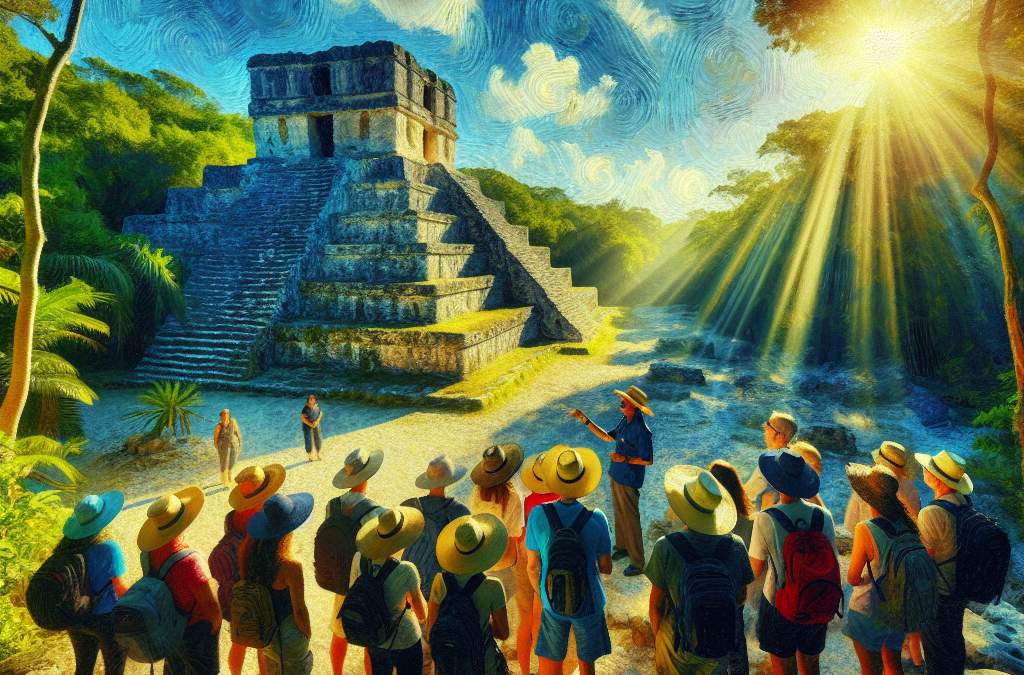
The allure of Cozumel’s ancient ruins draws visitors from all corners of the globe. Among the most notable sites are the remnants of the Mayan civilization, which flourished in this region long before modern conveniences emerged. These structures are not just mere stone; they are testimony to the ingenuity and artistry of a people whose knowledge of astronomy, architecture, and agriculture was truly remarkable. One can’t help but feel a sense of awe walking among the crumbling walls and weathered stones—each one telling a story of existence, struggle, and survival.
One such site that captivates the imagination is San Gervasio. Once a central ceremonial hub, it was dedicated to the worship of the goddess Ix Chel. The pilgrims who journeyed here sought blessings for fertility and healing, and today, visitors get a firsthand look at how spirituality intertwined with daily life. The site features intricate carvings and altars, remnants of rituals that took place centuries ago. Standing there, one might feel a connection to those early devotees, a shared hope for guidance from powers beyond our understanding.
But the secrets of Cozumel’s ancient ruins don’t just rest in their stone walls; they lie in the very soil that nurtured them. Archaeological digs uncover artifacts that deepen our comprehension of the Mayans’ way of life. Pottery shards, tools, and jewelry provide clues to their customs, trade routes, and even their diets. Each discovery peels back another layer of history, allowing modern society to grasp the complexities of this rich culture.
Exploring these ancient ruins is like diving into a living history book. The more we learn, the more we appreciate the human experience that spans centuries. So, the next time you find yourself basking in the Cozumel sun, take a moment to wander through these ancient stones. You just might uncover secrets that have been waiting a lifetime to be shared.

Uncovering The Secrets Of Cozumel’s Ancient Ruins?
Uncovering The Secrets Of Cozumel’s Ancient Ruins?
- Cozumel is home to ancient ruins that reflect a significant historical civilization.
- The remnants of the Mayan civilization showcase advanced knowledge in astronomy, architecture, and agriculture.
- San Gervasio was a key ceremonial site dedicated to the goddess Ix Chel, attracting pilgrims seeking blessings.
- The ruins feature intricate carvings and altars that reveal the spirituality and rituals of the Mayans.
- Archaeological digs in Cozumel yield artifacts like pottery, tools, and jewelry, shedding light on Mayan customs and daily life.
- Each discovery deepens our understanding of the complexities of Mayan culture and history.
- Exploring these ruins offers a unique experience to connect with a rich, centuries-spanning human story.
Uncovering The Secrets Of Cozumel’s Ancient Ruins?
Table Of Contents
- Uncovering The Secrets Of Cozumel’s Ancient Ruins?
- What Lies Within The San Gervasio Ruins In Cozumel?
- What Secrets Does El Caracol Hold In Cozumel?
- Uncover The Mysteries Of El Cedral In Cozumel Mexico?
- Uncover The Ancient Secrets Of Tulum?
- Conclusion
- Other Resources
- Glossary Of Terms
- Other Questions
- Haiku
- Poem
- Checklist
What Lies Within The San Gervasio Ruins In Cozumel?
Nestled within the lush, tropical landscape of Cozumel are the haunting echoes of an ancient civilization— the San Gervasio ruins. These ancient ruins are not just a collection of weathered stones; they are a testament to the ingenuity of the Mayan people and a portal to a time when life pulsed across this island like the beat of a drum.
As you step into this archaeological site, you can almost feel the whispers of history surrounding you. The towering structures, once bustling with activity, now lie still under the gaze of gnarled trees and vibrant foliage. Each stone, worn smooth by centuries of rain and wind, tells a story waiting to be uncovered, revealing the connection to an era where spirituality and nature intertwined.
The San Gervasio ruins served as a vital religious center, dedicated to the goddess of love and fertility, Ix Chel. It was a pilgrimage site for women— a place where they sought blessings and guidance. Imagine the vibrant processions of ancient ritualists, adorned with colorful textiles, as they made their way through these very paths. The air thick with incense and melodies, life blossoming in the shadow of these glorious structures.
While wandering through the remnants, you’ll encounter a series of temples and altars, each more intriguing than the last. The main temple, known as the “Temple of Ix Chel,” stands defiantly despite the ravages of time. Its once bright murals, though faded, hint at the artistry that flourished in its prime. The artistry and architecture display the Mayans’ exceptional understanding of their environment, integrating natural resources with religious and cultural meanings.
But let’s not get lost in the aesthetics—there’s a tactile quality to these ancient ruins that simply can’t be replicated. Running your fingers along the uneven stones, you can’t help but feel connected to those who walked before you. The history within these walls becomes palpable, leaving you with a profound sense of reverence.
Visiting the San Gervasio ruins is more than a mere excursion; it’s an invitation to step back in time. You can almost picture the vibrant life that once thrived here—a reminder that, like the stones themselves, we are all part of a greater story, woven into the fabric of history, waiting to lie in wait for the next curious traveler.

What Lies Within The San Gervasio Ruins In Cozumel?
What Lies Within The San Gervasio Ruins In Cozumel?
- San Gervasio ruins in Cozumel reflect the ingenuity of the ancient Mayan civilization.
- The archaeological site evokes a sense of history with its towering structures surrounded by lush vegetation.
- It served as a vital religious center dedicated to Ix Chel, the goddess of love and fertility, attracting female pilgrims.
- Visitors can envision vibrant ancient rituals that took place amidst fragrant incense and colorful celebrations.
- The main temple, “Temple of Ix Chel,” features faded murals that showcase the Mayans’ artistic talents.
- There is a tactile connection to history as visitors can touch the weathered stones, enhancing their experience.
- Exploring the ruins invites reflection on the interconnectedness of life and history, appealing to curious travelers.

What Lies Within The San Gervasio Ruins In Cozumel?
What Secrets Does El Caracol Hold In Cozumel?
Nestled in the heart of Cozumel lies a site that whispers tales of the past, and its name is El Caracol. This peculiar and enchanting location stands as one of the island’s ancient ruins, a testament to the ingenuity and spirit of civilizations long gone. As you wander through the remnants of what once was, you’ll find yourself piecing together the intricate puzzle of history that laid the foundation for the vibrant culture we see today.
El Caracol, which translates to “the snail” in Spanish, was not just an ordinary structure; it was an astronomical observatory. Imagine standing amidst carefully crafted stonework, where ancient Mayans once gazed toward the heavens, charting the movements of celestial bodies. This is a place where math and astronomy mingled with the sacred rituals of a society that placed great importance on their relationship with the cosmos. The way the sun illuminated the structure during equinoxes, or how the moon’s cycles were meticulously crafted into their calendars, evokes a sense of wonder that harks back to a time when humans were profoundly connected to the sky.
Exploring El Caracol is like stepping into a time capsule. You can almost hear the echoes of laughter and the humming of rituals that would have once filled the air. As you tread lightly on the pathways, you can sense the energy that still lingers in the soil—an energy birthed from a civilization that understood the fundamental relationship between human life and the universe. This is not just a field trip; it’s a chance to connect with echoes of intellect, curiosity, and even spirituality.
Many modern assumptions about ancient societies fall short of grasping the complexity and sophistication with which they approached life. The Mayans at El Caracol were not merely focused on survival; they were astronomers, mathematicians, and philosophers. Each stone aligns not just with other stones, but with the very rhythms of life that continue to influence us today.
So, whether you’re a history buff or just someone seeking to appreciate the beauty of nature and time, standing at El Caracol offers insights that are both profound and humbling. This is a place where the layers of time unfold before your eyes, reminding us that, in the grand tapestry of existence, we are all interconnected—much like the stars above us.

What Secrets Does El Caracol Hold In Cozumel?
What Secrets Does El Caracol Hold In Cozumel?
- El Caracol is an ancient ruin in Cozumel, showcasing the ingenuity of past civilizations.
- The name “El Caracol” translates to “the snail” in Spanish, referring to its unique structure.
- Functioning as an astronomical observatory, it reveals the Mayans’ connection to celestial bodies.
- The site features intricate stonework aligned with astronomical events like equinoxes and moon cycles.
- Exploring El Caracol offers a sensory experience that evokes the rituals and energy of its ancient inhabitants.
- The Mayans were not only survivors but also mathematicians and philosophers with a sophisticated worldview.
- Visiting El Caracol provides profound insights into human existence and our interconnectedness with the universe.

What Secrets Does El Caracol Hold In Cozumel?
Uncover The Mysteries Of El Cedral In Cozumel Mexico?
Nestled in the heart of Cozumel lies a hidden gem that whispers tales of a bygone era: El Cedral. As you step foot in this intriguing village, you’re not just visiting a modest settlement; you’re diving headfirst into a treasure chest of history and culture waiting to be explored. Picture this: ancient ruins standing resolute against the test of time, their crumbling facades speaking volumes of the lives once lived and the stories etched into the very stones.
El Cedral’s charm is twofold; it is both a quaint village and a site bursting with archaeological significance. Visitors who venture here are often surprised to find remnants of ancient Mayan civilization scattered throughout the area. The site boasts several ancient ruins, which serve as a reminder of the rich heritage of the region. Walking among these structures, you can almost hear the echoes of the past, as if the spirits of the ancients are beckoning you to listen closely.
What sets El Cedral apart is its unique blend of history and everyday life. While many might flock to the more commercialized areas, El Cedral provides an authentic experience, showcasing the intertwining of modern culture with its historic roots. Strolling through its streets, you’ll encounter local artisans plying their trade and charming villagers whose smiles rival the beauty of their surroundings. Don’t be surprised if you find yourself lingering a bit longer, captivated not only by the ancient ruins but also by the warmth of the community.
One cannot visit El Cedral without diving into its vibrant traditions. Each year, the village celebrates its heritage with fiestas that pay homage to its Mayan ancestors. The air fills with music, laughter, and the tantalizing scent of traditional food. Here, time seems to stand still as the rhythms of the past blend seamlessly with the present.
EEl Cedral is more than just a collection of ancient ruins; it’s a living testament to a culture that has persevered through time, inviting inquisitive souls to uncover its secrets. So grab your sense of adventure and your camera; El Cedral is waiting to share its mysteries with anyone willing to listen.

Uncover The Mysteries Of El Cedral In Cozumel Mexico?
Uncover The Mysteries Of El Cedral In Cozumel Mexico?
- El Cedral, a hidden gem in Cozumel, Mexico, offers a rich tapestry of history and culture.
- The village features ancient ruins that provide a glimpse into the lives of the Mayan civilization.
- Visitors can experience a unique blend of modern life and historic significance in El Cedral.
- Local artisans and friendly villagers enhance the authentic atmosphere of the village.
- Annual fiestas celebrate Mayan heritage, combining music, food, and community spirit.
- El Cedral serves as a testament to a resilient culture that invites exploration and discovery.
- It’s an ideal location for those who seek adventure and a deeper understanding of history.

Uncover The Mysteries Of El Cedral In Cozumel Mexico?
Uncover The Ancient Secrets Of Tulum?
Tucked away along the breathtaking coastline of the Yucatan Peninsula, Tulum presents a captivating blend of stunning natural beauty and profound historical significance. As you approach the Ancient Ruins that dot this lush landscape, you can’t help but feel a sense of awe—here lies a doorway into a world long gone, where the echoes of ancient civilizations still reverberate through the salt-kissed air.
Imagine standing atop the crumbling stone walls of a well-preserved temple, the azure waters of the Caribbean stretching out before you like a picture postcard. It’s a place where the past and present collide, each weathered rock telling tales of sun-worshiping Mayans who expertly harnessed the resources of the land. The Ancient Ruins of Tulum are not just remnants of a bygone era; they are monuments to human ingenuity and resilience.
Now, let’s delve into these secrets, shall we? The first thing you’ll notice is the architecture. Tulum was unique among Mayan cities, as it was one of the last to be built and perhaps the most picturesque due to its coastal location. The ancient structures were constructed using local limestone, a material that gave them a durability only time could wear down. The Castillo, or the Castle, stands as the centerpiece of this archaeological wonder. It served both as a lighthouse and a sacred site, guiding seafarers while keeping an eye on the horizon for potential invaders.
But the allure of Tulum extends far beyond just impressive stones stacked high. This coastal stronghold was also a thriving trade hub, linking the ancient Mayans to distant civilizations. As you wander through the site, imagine the vibrant markets, filled with exotic goods and the rich tapestry of cultures that once flourished here. The intriguing murals and glyphs found etched into the walls provide a glimpse into a complex society steeped in ritual and tradition.
As you embark on your Tulum adventure, take time to appreciate not only the Ancient Ruins but the beautiful backdrop of nature’s artistry. The thick jungle surrounds you, bursting with wildlife and plants that have thrived, just as the Mayans once did. So, whether you’re scaling the heights of a pyramid or strolling through a breezy pathway lined with palm trees, know you’re immersing yourself in the ancient secrets of Tulum—secrets that have been waiting centuries just for you to uncover.

Uncover The Ancient Secrets Of Tulum?
Uncover The Ancient Secrets Of Tulum?
- Tulum, located on the Yucatan Peninsula, features a stunning coastline and rich historical significance.
- The Ancient Ruins evoke awe, serving as a doorway into the world of ancient civilizations.
- Tulum’s structure showcases Mayan ingenuity, with well-preserved temples and limestone construction.
- The Castillo serves as both a lighthouse and a sacred site for the Mayans.
- Tulum was a thriving trade hub, connecting the Mayans with distant civilizations.
- Murals and glyphs provide insight into the vibrant culture and traditions of the ancient society.
- The surrounding jungle offers rich wildlife and lush landscapes, enhancing the exploration of Tulum’s secrets.

Uncover The Ancient Secrets Of Tulum?
Conclusion
As we draw the curtain on our journey through Cozumel’s ancient ruins, let’s take a moment to reflect on what we’ve uncovered. Nestled off the Yucatán Peninsula, Cozumel serves up more than just sun-soaked beaches; it’s a vivid tapestry of history, woven from the remains of a remarkable civilization—the Mayans. When you step onto this stunning island, you’re stepping into a living history book, where each ancient structure holds stories that span centuries.
Consider the San Gervasio ruins, a pulsating heart of spirituality, steeped in rituals dedicated to the goddess Ix Chel. Imagine the ancient pilgrims, adorned in colorful textiles, seeking blessings for fertility and healing as they walked among these weathered stones. Each hindrance of time has lent a tactile quality to the site, turning every stone into a window to the past. For those of us who appreciate life’s interconnectedness, wandering through these ruins isn’t just a sightseeing venture; it’s a profound communion with history.
Then there’s El Caracol, a remarkable astronomical observatory, where ancient Mayans once looked to the sky. Picture those curious minds, charting celestial movements, intertwining their spiritual and scientific discoveries. Engaging with El Caracol is like touching the cosmos—reminding us all how intimately connected we are to the universe. The wisdom and intellect of the Mayans at this site stand in sharp contrast to the one-dimensional image many of us have of ancient societies. They were astronomers, mathematicians, and philosophers who understood the rhythms of life, the universe, and the tides of time.
El Cedral also beckons, a quaint village where every brick and every smile tells a story. Here, traditions intertwine with modern life as villagers celebrate their Mayan ancestry through vibrant fiestas. You feel it in the air—the spirit of resilience and continuity, as if history is alive and breathing around you.
Finally, Tulum unfolds before you in breathtaking beauty, marrying the raw power of nature with human artistry. Its construction parallels the complexity of society, thriving on trade while nurturing a rich cultural life.
So, whether you find joy in wandering among ancient stones or wrestling with the complexities of human existence, remember: Cozumel is more than a destination; it’s an invitation. An invitation to uncover the secrets of the past, understand our place in the present, and think about the stories we’ll leave behind. As you bask in the Cozumel sun, take a moment to lean into that history—it just might transform your perspective.
Conclusion
Conclusion:
- Cozumel, located off the Yucatán Peninsula, is rich in Mayan history beyond its beautiful beaches.
- The San Gervasio ruins serve as a spiritual center dedicated to the goddess Ix Chel, reflecting ancient rituals.
- Visitors can connect with history by exploring ancient structures, each telling unique stories.
- El Caracol is an astronomical observatory where Mayans charted celestial movements, showcasing their scientific and spiritual knowledge.
- El Cedral offers a glimpse into a vibrant village that celebrates its Mayan ancestry with lively traditions and fiestas.
- Tulum exemplifies the blend of nature and human artistry, showcasing a thriving trade culture and rich heritage.
- Cozumel invites exploration of its past while encouraging reflection on our present and future legacies.

Conclusion
Other Resources

Other Resources
Cozumel rewards travelers who stay longer than the cruise ship crowd. If that’s the kind of trip you’re cooking up, here’s where we’d point you for lodging. Cozumel Journey is an editorial guide to Cozumel — neighborhoods, planning tips, and life on the island for travelers who want context, not a cruise schedule.
Here is a list of other resources you can review online to learn more:
- Cozumel Hacienda San Miguel
- Punta Molas Faro
- Cozumel Tours
- Cozumel Cruise Port
- K’ooben Laab
- Cozumel ATV Adventure
- Cozumel Reefs
- cozumeljourney.com
Use This Prompt To Get More Resources With Your Favorite Online AI Tool: Please provide me with a list of online articles with their URLs in a bulleted list that I can read regarding Uncovering The Secrets Of Cozumel’s Ancient Ruins?
Other Resources
Glossary Terms
Uncovering The Secrets Of Cozumel’s Ancient Ruins? – Glossary Of Terms
1. Cozumel: An island in the Caribbean Sea, part of Mexico, known for its rich history, pristine beaches, and archaeological sites.
2. Maya: An ancient Mesoamerican civilization known for its hieroglyphic script, art, architecture, and astronomical innovations.
3. Archaeology: The scientific study of past human activity through the excavation and analysis of artifacts, structures, and other physical remains.
4. Ruins: Remnants of structures that remain from past civilizations, which can provide insight into historical cultures.
5. Temple: A place of worship; in Cozumel, it often refers to significant religious structures built by the ancient Maya.
6. Xaman-Ha: An ancient Mayan town believed to have been a ceremonial site located on Cozumel, connected to the worship of the goddess Ix Chel.
7. Tzompantli: A skull rack or altar used by the Maya for displaying the skulls of sacrificial victims, symbolizing power and warfare.
8. Ix Chel: The Mayan goddess of fertility, medicine, and the moon, often associated with the island of Cozumel.
9. Hieroglyphs: A system of writing using symbols or pictures, utilized by the Maya to record historical events, rituals, and daily life.
10. Excavation: The process of systematically uncovering artifacts and structures from the ground, essential for archaeological research.
11. Artifact: Any object made or used by humans, often found during excavations, that offers insight into a culture’s way of life.
12. Ceremonial: Pertaining to formal rituals or activities, particularly those conducted for religious purposes in ancient societies.
13. Cenote: A natural sinkhole or well, often containing water, that was sacred to the Maya and used for offerings and rituals.
14. Structure: Any constructed building or monument, like temples or platforms, significant for understanding the organization of ancient societies.
15. Sacrifice: A ritual practice in which offerings, including human and animal sacrifices, were made to appease deities or spirits.
16. Chronology: The arrangement of events in their order of occurrence; crucial for understanding the timeline of Mayan history.
17. Astronomy: The study of celestial bodies, significant among the Maya for agricultural calendars and navigation.
18. Epigraphy: The study of ancient inscriptions and texts, used to decipher and understand the writings left by the Maya civilization.
19. Society: A structured community of people with shared customs and institutions, such as the ancient Maya society on Cozumel.
20. Cosmology: The understanding and interpretation of the universe and its origins, often reflected in the myths and practices of the Maya.
21. Pre-Columbian: Referring to the cultures and civilizations that existed in the Americas before the arrival of Christopher Columbus in 1492.
22. What is left behind: Refers to the physical remains of structures, pottery, and tools that provide evidence of past human activities.
23. Preservation: The process of maintaining and protecting archaeological sites and artifacts to avoid decay and loss.
24. Conservation: The responsible management of natural and cultural resources to protect and preserve historical sites for future generations.
25. Heritage: The cultural traditions, monuments, and history that are passed down from previous generations.
26. Pyramid: A common architectural structure in Mesoamerican cultures, often associated with burial and ceremonial practices.
27. Historical significance: The importance of a site or artifact based on its contribution to understanding a culture’s history and development.
28. Site survey: A preliminary step in archaeology to map and assess the distribution of artifacts and features within an area.
29. Carbon dating: A scientific method used to determine the age of an artifact by measuring the decay of radioactive carbon isotopes.
30. Cultural exchange: The sharing and integration of ideas, customs, and technologies between different cultures, which occurred in ancient Mesoamerica through trade and interaction.

Glossary Of Terms
Other Questions
Uncovering The Secrets Of Cozumel’s Ancient Ruins? – Other Questions
If you wish to explore and discover more, consider looking for answers to these questions:
- What are the main ancient ruins in Cozumel?
- How can visitors access the ancient ruins in Cozumel?
- What is the significance of the goddess Ix Chel in Mayan culture?
- What artifacts have been discovered at Cozumel’s archaeological sites?
- How do the San Gervasio ruins compare to other Mayan sites?
- What other historical sites can be found near Cozumel?
- Are there guided tours available for the ancient ruins in Cozumel?
- What tips are there for visiting the ruins in Cozumel?
- What are the best times of year to visit Cozumel’s ruins?
- What preservation efforts are in place for the ancient ruins?
- What is known about the daily life of the ancient Mayans in Cozumel?
- How did the Mayans’ understanding of astronomy influence their architecture?
- Are there any notable myths or legends associated with the sites in Cozumel?
Other Questions
Haiku
Uncovering The Secrets Of Cozumel’s Ancient Ruins? – A Haiku
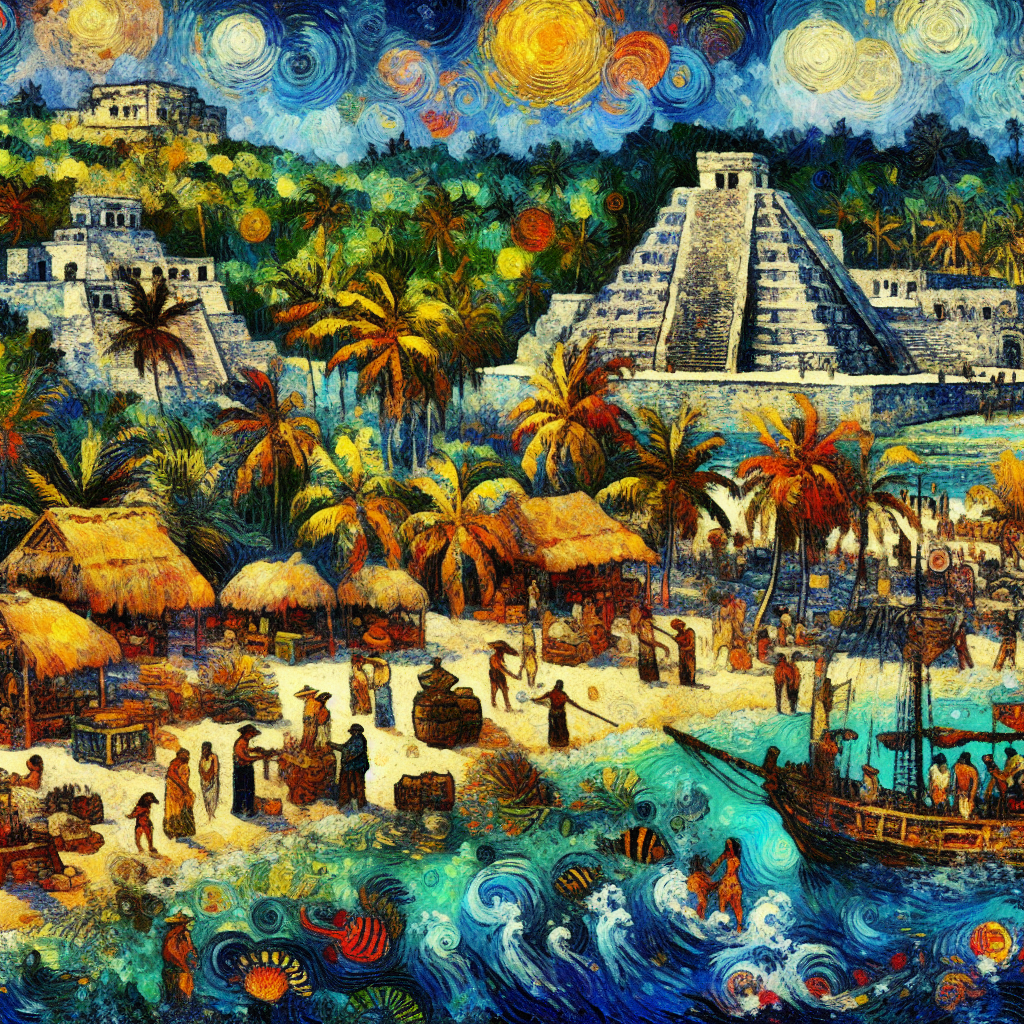
Ancient stones whisper,
Mayan echoes fill the air,
Secrets of the past.
Haiku
Poem
Uncovering The Secrets Of Cozumel’s Ancient Ruins? – A Poem
In Cozumel’s heart, where legends abide,
Ancient ruins stand, with stories to confide.
Beyond sun-kissed shores and turquoise embrace,
Lies a tapestry woven with time and grace.
Once vibrant and alive, the Mayans thrived,
In temples and altars, their spirits survived.
At San Gervasio, under Ix Chel’s gaze,
Pilgrims brought offerings in spiritual praise.
El Caracol whispers of celestial sights,
Where ancient minds traced the dance of the lights.
Math and astronomy hand in hand,
Crafted by those who revered their land.
El Cedral welcomes, both past and today,
With echoes of laughter in streets where they play.
As artisans weave tales through their crafts,
The essence of culture in each heartbeat drafts.
And Tulum, the sentinel on ocean’s embrace,
Holds secrets of trade in its time-weathered face.
With murals that speak of visages bold,
A lighthouse of wisdom, in stonework enfold.
So wander these ruins, let history breathe,
In each weathered corner, new tales to weave.
With every soft whisper, a connection is made,
In the heart of Cozumel, where legacies wade.
For beneath the bright sun, life ebbs and flows,
As ancient stones stand where the past still glows.
In the cradle of time, with each step we take,
We unravel the secrets that history makes.

Poem
Checklist
Uncovering The Secrets Of Cozumel’s Ancient Ruins? – A Checklist
Before You Go
_____ Research Each Site: Familiarize yourself with the history and significance of San Gervasio, El Caracol, El Cedral, and Tulum.
_____ Plan Your Transportation: Decide whether you’ll rent a car, hire a guide, or use public transport to reach the ruins.
_____ Check Opening Hours: Confirm the operating hours for each archaeological site to avoid disappointment.
_____ Pack Essentials: Bring sunscreen, water, insect repellent, and snacks for your exploration.
What to Bring
_____ Comfortable Footwear: Wear sturdy shoes suitable for walking on uneven surfaces.
_____ Camera or Smartphone: Capture the stunning architecture and landscapes.
_____ Notebook or Journal: Take notes on the history and your reflections while visiting.
_____ Binoculars: If you are interested in wildlife or distant views from the ruins.
At the Ruins
_____ Take Your Time: Explore each site leisurely, allowing yourself to appreciate the history and surroundings.
_____ Follow Guided Tours: Consider joining guided tours for deeper insight into the ruins and their significance.
_____ Engage with the Environment: Observe and soak in the natural beauty that surrounds the historic structures.
_____ Listen to the Guides: Pay attention to stories and legends shared by local guides to enrich your experience.
While Exploring
_____ Respect the Sites: Avoid touching or climbing on structures to help preserve their integrity.
_____ Stay Hydrated: Drink plenty of water, especially under the sun.
_____ Capture Memories: Take photos, but be mindful of your surroundings and the sacredness of the sites.
_____ Connect with the History: Walk thoughtfully through the ruins, reflecting on the lives that once thrived there.
After Your Visit
_____ Reflect and Share: Write about your experience and the secrets you uncovered. Share insights with friends or on social media.
_____ Research Further: Look up any artifacts or aspects that intrigued you during your visit to deepen your understanding.
_____ Support Local Communities: Consider purchasing handmade souvenirs or supporting local businesses in nearby villages.
Bonus Tips
_____ Visit During Off-Peak Times: Try to go early in the morning or late in the afternoon to avoid crowds.
_____ Experience Local Culture: Attend any festivals or events if your visit coincides with local celebrations at places like El Cedral.
Enjoy your adventure through the ancient ruins of Cozumel, and may you uncover the stories held within the stones!

Checklist
At TopCozumelNews, we help travelers enjoy Cozumel by collating information learned from frequently traveling to beautiful Cozumel.
Be sure to read our other related stories at TopCozumelNews to learn more about the Island of Cozumel.