A Brief History of Cozumel, Mexico
By Tom Seest
At TopCozumelNews, we help travelers enjoy Cozumel by collating information learned from frequently traveling to beautiful Cozumel.
Be sure to read our other related stories at TopCozumelNews to learn more about the Island of Cozumel.
What Is the History Of Cozumel, Mexico?
When you set foot on Cozumel, Mexico, you’re not just landing on a stunning island blessed with azure waters and golden beaches; you’re stepping into a vibrant tapestry woven from centuries of history, culture, and adventure. This favored destination has long been a hotspot for explorers, traders, and adventurers alike, and its past is as rich as the colorful coral reefs that surround it.
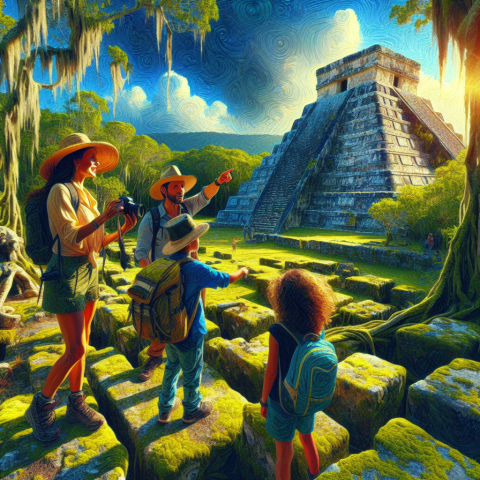
The island’s story begins long before it became a popular tourist magnet. The earliest inhabitants of Cozumel were the Mayans, who thrived here long before the arrival of Europeans. They revered the island as a sacred place, establishing temples and engaging in elaborate rituals dedicated to the goddess Ix Chel, the deity of fertility and medicine. You can almost hear the echoes of ancient prayers and offerings made in those lush jungles.
Fast forward to the early 16th century, and Cozumel found itself in the sights of European explorers. In 1518, the infamous Hernán Cortés landed on its shores, marking it as one of the first stops in his quest to conquer the Aztec Empire. Imagine the intrigue of those early interactions, as Spanish explorers encountered the vibrant culture and traditions of the island’s inhabitants. However, it was also the beginning of a tumultuous time for the native population, as diseases brought by the newcomers took a devastating toll.
As the years rolled on, Cozumel’s strategic location made it a significant point for trade in the Caribbean. Pirates, too, made their appearances, drawn to the island’s harbors and wealth. The 19th century saw Cozumel dive into the realm of agriculture; sugar became its main cash crop, and the island prospered, leading to a brief cultural renaissance.
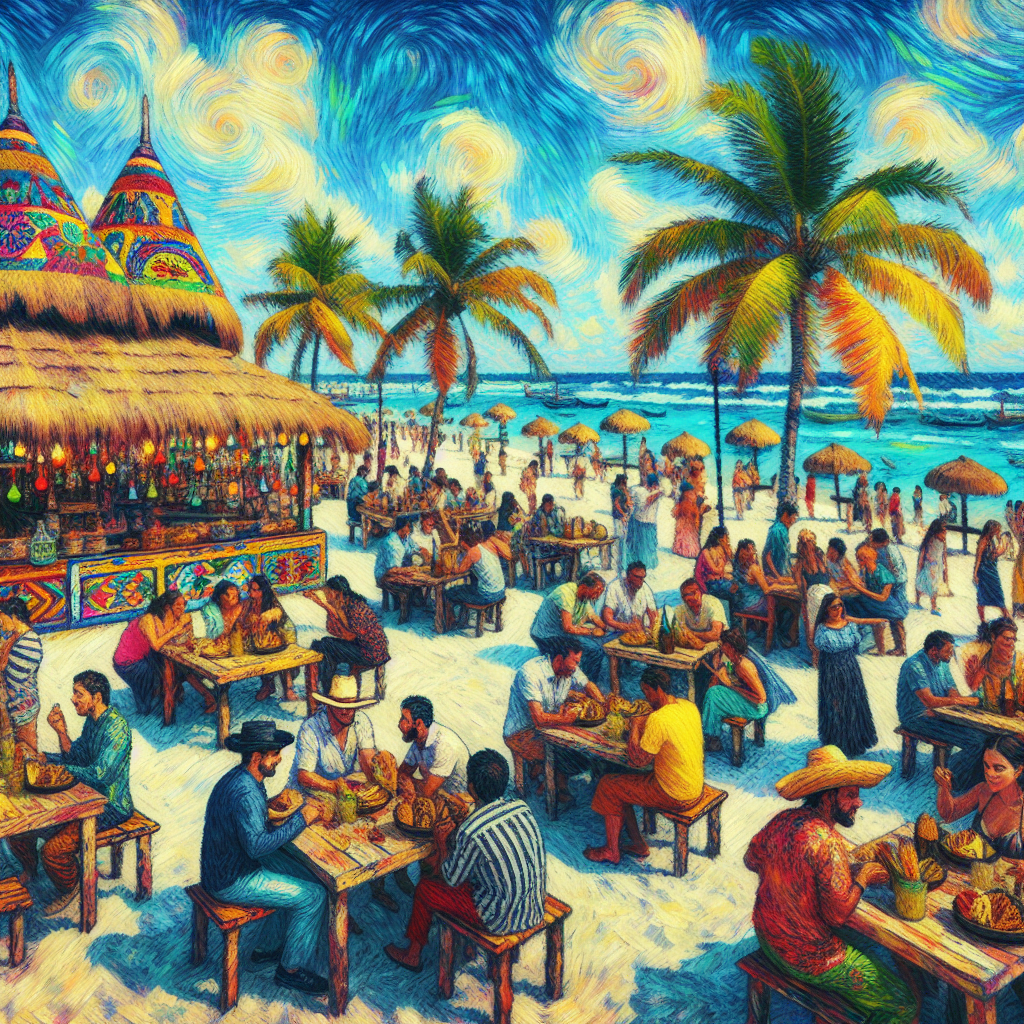
By the mid-20th century, the island reinvented itself yet again, finding a new identity as a tourism capital. Cruise ships began to flock to its shores, eager to show their passengers the exotic allure of its beaches and landmarks. Today, Cozumel is known for its unrivaled diving spots, bustling markets, and the friendly nature of its residents who happily share their island’s vibrant history.
From the ancient Mayans to the modern-day tourist, Cozumel stands as a testament to resilience and transformation. Each grain of sand in its beaches tells a story, reminding us that the history of this beautiful island is as essential to its identity as the turquoise waters that lap its shores. So next time you’re kicking back on the beach, take a moment to ponder the rich legacy that surrounds you.

What Is the History Of Cozumel, Mexico?
What Is the History Of Cozumel, Mexico?
- Cozumel, Mexico is a stunning island with a rich history, culture, and adventure.
- The earliest inhabitants were the Mayans, who revered the island and established temples for the goddess Ix Chel.
- Hernán Cortés landed on Cozumel in 1518, marking the beginning of European exploration and interaction.
- The island faced devastating impacts from diseases brought by European explorers.
- Cozumel’s strategic location made it a significant trade point and a haven for pirates in the Caribbean.
- In the 19th century, sugar became the main cash crop, leading to a brief cultural renaissance.
- By the mid-20th century, Cozumel transitioned into a tourist destination known for diving, markets, and friendly locals.

What Is the History Of Cozumel, Mexico?
Table Of Contents
- What Is the History Of Cozumel, Mexico?
- Is Much Known About The History Of Cozumel?
- Is El Cedral Central In Cozumel History?
- Are Mayan Temples Part of Cozumel, Mexico History?
- Are Pirates Part of Cozumel, Mexico History?
- Is the Mayan Goddess of Fertility Part of Cozumel History?
- Is Hernan Cortes Part Of Cozumel History?
- Was Cozumel a Pirate Base Of Operations?
- Conclusion
- Other Resources
- Glossary Of Terms
- Other Questions
- Haiku
- Poem
- Checklist
Is Much Known About The History Of Cozumel?
When you hear the name Cozumel, you might think of sun-soaked beaches, vibrant coral reefs, and the gentle sway of palm trees. But peel back that glossy veneer, and you’ll discover a rich tapestry of history that dates back thousands of years. This little island, nestled in the Caribbean Sea, isn’t just a pretty face; it’s a living relic of ancient civilizations and maritime trade.
Cozumel was first inhabited by the Maya around 300 AD. These early settlers recognized the island’s strategic location for trade and worship. It was here that the Maya built ceremonial centers and made Cozumel a significant pilgrimage site for worshippers of Ix Chel, the goddess of fertility and love. The island’s vibrant culture was woven into its very essence, reflected in the ruins that still stand guard over the coastline, whispering tales of the past to those who stop to listen.
Fast forward a few centuries, and you’ll find Cozumel transforming into a bustling hub for European explorers. The Spanish arrived in the early 1500s, drawn by tales of gold and promises of new territory. It was then that Cozumel began to change forever. The old ways clashed with new ideologies, and, unfortunately, the local Maya population faced the devastating consequences of disease brought by the newcomers, drastically reducing their numbers.
By the mid-20th century, Cozumel evolved once more, shifting from a quiet isle into a magnet for tourists. The island became famous for its breathtaking diving spots, with colorful marine life and crystal-clear waters. These factors played a crucial role in its economic revival, transforming Cozumel into a go-to destination for cruise ships and vacationers seeking sun, fun, and a slice of history.
Today, remnants of Cozumel’s past can be seen everywhere—from the ancient ruins that dot the landscape to the vibrant cultural festivals that keep Mayan traditions alive. Each stone, each festival, tells a story of resilience and adaptation. As you stroll along the bustling streets, it’s hard to ignore the feeling that you’re walking in the footsteps of history—a history that continues to evolve and shape this remarkable island.
So while lounging on those sandy beaches and admiring the turquoise waves, remember: there’s more to Cozumel than meets the eye. Dive deep into its history, and you may just uncover a treasure more valuable than any trinket found in the crystal-clear waters surrounding this enchanting island.

Is Much Known About The History Of Cozumel?
Is Much Known About The History Of Cozumel?
- Cozumel is known for its stunning beaches, coral reefs, and palm trees, but has a deep historical background.
- The island was first inhabited by the Maya around 300 AD, who valued its location for trade and religious ceremonies.
- Cozumel was a significant pilgrimage site for worshippers of Ix Chel, the goddess of fertility and love.
- In the early 1500s, Spanish explorers arrived, bringing disease that severely impacted the local Maya population.
- By the mid-20th century, Cozumel transformed into a popular tourist destination known for its exceptional diving spots.
- The island showcases its rich history through ancient ruins and cultural festivals that celebrate Mayan traditions.
- Visitors are encouraged to explore beyond the beaches to uncover the deeper historical treasures of Cozumel.

Is Much Known About The History Of Cozumel?
Is El Cedral Central In Cozumel History?
When you think of Cozumel, images of white sandy beaches, azure waters, and bright coral reefs likely come to mind. Yet, beneath the vibrant tourist façade lies a tapestry of history that is as rich as the island’s natural beauty. At the heart of this narrative sits El Cedral, a tiny village that is anything but ordinary.
Founded long before the presence of luxury resorts and cruise ships, El Cedral was once a bustling hub for the ancient Mayans. This small community was pivotal in shaping the island’s identity, serving as a center for trade and spirituality. The ruins of the once-glorious Mayan temple still stand today, a silent testament to the architectural ingenuity of a civilization that flourished centuries ago. As you wander the narrow paths of El Cedral, it’s hard not to feel the echo of ancient footsteps and the whispers of long-departed ancestors.
Over time, as settlers arrived to exploit Cozumel’s vast resources in the late 19th century, the village morphed into a microcosm of cultural fusion. The introduction of agriculture and livestock drastically changed the landscape. Today, the villagers cultivate everything from coconuts to honey, echoing the old ways while adapting to new demands. It’s a juxtaposition that tells us much about resilience and the relentless march of time.
El Cedral also nurtures the island’s traditional festivities. Every Easter, the charming village comes alive with its annual fair dedicated to the Virgin of the Sacred Heart. This celebration draws both locals and tourists alike, who gather to partake in lively dances, taste local delicacies, and immerse themselves in the communal spirit of Cozumel. The passion and camaraderie are palpable, a reminder that the thread of history runs deep through the hearts of the people.
In an era when rapid development threatens to overshadow cultural heritage, El Cedral stands as a beacon of continuity. As you explore its rustic charm, you experience a slice of what Cozumel was before the modern world cast its shadow. It might be small, but El Cedral’s significance in Cozumel history is monumental. This village isn’t just a stop on your journey; it’s a vital piece of the island’s identity—woven intricately into the fabric of its past, present, and future. Visiting El Cedral is not merely a casual outing; it’s an invitation to understand the story of Cozumel in its purest form.

Is El Cedral Central In Cozumel History?
Is El Cedral Central In Cozumel History?
- Cozumel is known for its beautiful beaches, azure waters, and coral reefs.
- El Cedral, a historical village, was a significant center for the ancient Mayans.
- The ruins of a Mayan temple in El Cedral showcase the architectural achievements of this civilization.
- As settlers arrived in the late 19th century, El Cedral transformed into a cultural fusion microcosm.
- Today, the villagers practice agriculture, cultivating coconuts, honey, and more, blending old traditions with new demands.
- El Cedral hosts an annual Easter fair celebrating the Virgin of the Sacred Heart, attracting locals and tourists alike.
- The village represents a crucial piece of Cozumel’s cultural heritage, inviting visitors to explore its rich history.

Is El Cedral Central In Cozumel History?
Are Mayan Temples Part of Cozumel, Mexico History?
When you think of Cozumel, what comes to mind? Pristine beaches, crystal-clear waters, and perhaps a cold drink on a sun-soaked deck. But if you scratch the surface of this tropical paradise, you’ll uncover layers of history that stretch back millennia—a history intertwined with the ancient Mayan civilization. The question arises: are Mayan temples part of Cozumel’s history? The resounding answer is yes, and it’s a fascinating one.
First, let’s take a trip back in time. The Mayans were a sophisticated society that flourished in Mesoamerica, renowned for their advanced knowledge in astronomy, mathematics, and, of course, architecture. Cozumel served not only as a lush oasis but also as a significant cultural hub. The island was ideally positioned for trade and religion, making it a vital stop for those engaged in commerce or spiritual practices.
Among the most notable remnants of this ancient civilization on Cozumel are the Mayan temples. Though not as grand as those found in Tulum or Chichen Itza, the ruins here offer a glimpse into a world long gone. The Temple of the Goddess Ix Chel—dedicated to the goddess of love and fertility—sits perched on a coastal cliff. For the ancient Mayans, this wasn’t just a structure; it was a place of worship where the rituals performed had profound meanings about life and fertility.
Visiting these Mayan temples is like stepping into a book of history where each stone tells a story. Imagine the bustling activity centuries ago: traders bartering goods, priests conducting ceremonies, and pilgrims arriving from distant lands. It’s a stark contrast to today’s laid-back island vibe, where you can stroll along sandy shores, yet those ruins quietly exist as a testament to the past.
Now, a word of caution: while exploring these historic sites, be respectful of their significance. These temples are more than mere artifacts; they are an integral part of Cozumel’s identity and heritage. The shells of stone echo the whispers of generations gone by.
So, the next time you find yourself reclining on the beaches of Cozumel, take a moment to appreciate the rich history that surrounds you. Hidden amidst its modern charm lies a complex tapestry woven together by the ancient Mayans—a history that continues to shape the culture of this beautiful island today.

Are Mayan Temples Part of Cozumel, Mexico History?
Are Mayan Temples Part of Cozumel, Mexico History?
- Cozumel is known for its pristine beaches and clear waters, but it has a rich history linked to the Mayan civilization.
- The ancient Mayans were an advanced society in Mesoamerica with expertise in astronomy, mathematics, and architecture.
- Cozumel served as an important cultural hub for trade and religious practices in ancient times.
- Notable sites include the Temple of the Goddess Ix Chel, dedicated to love and fertility, located on a coastal cliff.
- The Mayan temples offer insights into ancient rituals and daily life, contrasting with modern beach activities.
- Visitors are encouraged to respect these historic sites, which are integral to Cozumel’s identity and heritage.
- The ancient history of the Mayans continues to influence the cultural landscape of Cozumel today.
Are Mayan Temples Part of Cozumel, Mexico History?
Are Pirates Part of Cozumel, Mexico History?
When you think of pirates, the picture that often comes to mind is one of swashbuckling adventurers, buried treasure, and daring escapades on the high seas. But did you know that Cozumel, a beautiful island off the coast of Mexico, has its own share of pirate lore? That’s right! This tropical paradise, known for its stunning beaches and vibrant coral reefs, has a history tangled with the likes of notorious buccaneers who roamed the Caribbean.
Cozumel’s strategic location made it a prime target for pirates during the 17th and 18th centuries. With its close proximity to trade routes, the island attracted unwelcome visitors looking to plunder merchant ships overflowing with valuables. These infamous sea rogues weren’t just after gold coins and jewels; they sought cargo like spices, textiles, and even supplies that could be traded in other ports. The waters surrounding Cozumel were a veritable treasure trove of opportunities, and the pirates didn’t shy away from taking advantage of it.
Legends tell of ghostly ships sailing past the island under the cover of darkness, their sails configured for stealth. While the actual truth of these tales may be embellished through generations, the essence remains: Cozumel was a place where the thrill of piracy mingled with tales of adventure. The Spanish authorities were often hot on the trails of these marauders, leading to cat-and-mouse games that added a dramatic chapter to Cozumel’s history.
But the influence of pirates didn’t end with their raids. In the aftermath of these high-seas adventures, many pirates decided to settle in the area. They established makeshift hideouts and trade routes, blending their culture with that of the local inhabitants. Some even took on new lives as fishermen or traders, introducing the island to new culinary delights and traditions.
Today, visitors to Cozumel can explore this rich history through various cultural sites and activities. Whether it’s a walking tour through old towns where pirates may have cast their eyes on treasures or diving into the azure waters where they once dashed to escape the law, the echoes of the past remain alive. As you sip on a margarita on a sun-soaked beach, just remember that you’re not far from the tales of those daring souls who once sailed the same waters, heart pounding and sails billowing, living life on the edge—not just of the ocean, but of history itself.

Are Pirates Part of Cozumel, Mexico History?
Are Pirates Part of Cozumel, Mexico History?
- Cozumel, a Mexican island, is rich in pirate lore from the 17th and 18th centuries.
- The island’s strategic location attracted pirates targeting merchant ships along trade routes.
- Pirates sought various valuable cargo, including spices, textiles, and supplies, beyond just gold and jewels.
- Legends describe ghostly ships that sailed Cozumel’s waters under the cover of night.
- Spanish authorities attempted to thwart pirate raids, leading to dramatic confrontations in Cozumel’s history.
- Some pirates eventually settled in Cozumel, establishing trade routes and blending cultures with locals.
- Visitors today can explore Cozumel’s pirate history through cultural sites and activities, connecting with the island’s adventurous past.

Are Pirates Part of Cozumel, Mexico History?
Is the Mayan Goddess of Fertility Part of Cozumel History?
When you think of Cozumel, your mind might conjure images of azure seas, sun-soaked beaches, and bustling marketplaces filled with the sounds of laughter and lively music. But beneath this tropical veneer lies a rich tapestry of history, woven with the threads of ancient beliefs and cultural significance. Among these threads is the story of the Mayan goddess of fertility, a figure as compelling as the island’s stunning landscapes.
Cozumel was once a sacred place for the ancient Maya, a civilization that revered nature and its myriad manifestations. Among their pantheon, the goddess Ix Chel stood out as a symbol of fertility, motherhood, and the moon—a celestial body that profoundly influences the tides and, by extension, the rhythms of life. Ix Chel wasn’t merely an abstract deity; she was the artistic embodiment of the cycle of life itself. As such, the island served as an important pilgrimage site for those seeking her blessings.
Many who traveled to Cozumel during the height of the Mayan civilization came yearning for fertility—not just in the physical sense, but in all aspects of life. Farmers sought her favor for bountiful harvests, warriors prayed for thriving communities, and women sought her guidance for childbirth. The natural world around Cozumel offered an abundance of rich flora and fauna, reminding anyone who ventured to its shores that life-giving forces were always at play.
The remnants of these ancient practices can still be felt today. You might wander into a local boutique or a market stall, where artisans craft intricate representations of Ix Chel, often adorned with symbols of fertility and abundance. The presence of the goddess is interwoven into the island’s cultural identity, adding depth to the colorful fabric of daily life.
As tourists roam the beaches or explore the ruins, they’re often blissfully unaware of how the spiritual beliefs of those who once thrived here shape the atmosphere of their surroundings. The sacred rituals surrounding the goddess didn’t merely fade away; they evolved, adapting to a contemporary landscape while still honoring the island’s storied past.
So, as you sip a cold drink while overlooking the mesmerizing coastline of Cozumel, take a moment to appreciate the ancient beliefs that linger like whispers in the breeze. The spirit of the Mayan goddess of fertility may just be a reminder that Cozumel is not just a destination—it’s a historical intersection of nature, spirituality, and community, all wrapped in the warm embrace of the Caribbean.

Is the Mayan Goddess of Fertility Part of Cozumel History?
Is the Mayan Goddess of Fertility Part of Cozumel History?
- Cozumel evokes images of azure seas, beaches, and lively marketplaces, but also holds a rich historical tapestry.
- The island was sacred to the ancient Maya, particularly revered for the goddess Ix Chel, symbolizing fertility, motherhood, and the moon.
- Ix Chel was seen as an embodiment of life’s cycles, making Cozumel an important pilgrimage site for seeking her blessings.
- Visitors during the Mayan civilization sought fertility in various forms, from harvests to community thriving and childbirth guidance.
- Modern artisans create intricate representations of Ix Chel, showcasing her enduring presence in Cozumel’s cultural identity.
- The spiritual beliefs surrounding the goddess have adapted but remain intertwined with contemporary life on the island.
- Understanding these ancient beliefs enriches the experience of visiting Cozumel, highlighting it as a historical intersection of nature and community.

Is the Mayan Goddess of Fertility Part of Cozumel History?
Is Hernan Cortes Part Of Cozumel History?
Cozumel—a tropical island paradise nestled in the turquoise waters of the Caribbean—is known for its stunning beaches, vibrant coral reefs, and rich cultural heritage. But if you dig a little deeper into its story, you’ll find that the island’s history is entwined with some of the most significant figures in the Age of Exploration, including none other than Hernán Cortés.
Yes, Hernán Cortés, the Spanish conquistador famous for his role in the fall of the Aztec Empire, cast a shadow over this sun-soaked isle. In 1519, during his expedition to the mainland, Cortés made a rather fateful stop in Cozumel. This wasn’t just a leisurely pit stop; it marked an important chapter in the island’s history, setting the stage for future encounters between European settlers and the indigenous peoples of the region.
When Cortés arrived, Cozumel was inhabited by the Maya, and it was also a sacred site for the worship of Ix Chel, the goddess of fertility and medicine. The Spanish were both fascinated and repelled by the local customs. Cortés himself viewed the island largely through the lens of opportunity, seeing it as a potential launching point for his grander ambitions. His arrival led to a series of events that would alter the course of Cozumel’s destiny forever.
The encounter was marked by both diplomacy and aggression. Cortés sought the favor of the local leaders while also laying the groundwork for future conquest. This duality is what makes his impact on Cozumel’s history so compelling. While he didn’t establish a permanent settlement on the island, his actions played a crucial role in the broader narrative of Spanish colonization. The exchanges and conflicts triggered by his presence led to significant disruptions in the traditional life of the indigenous populations.
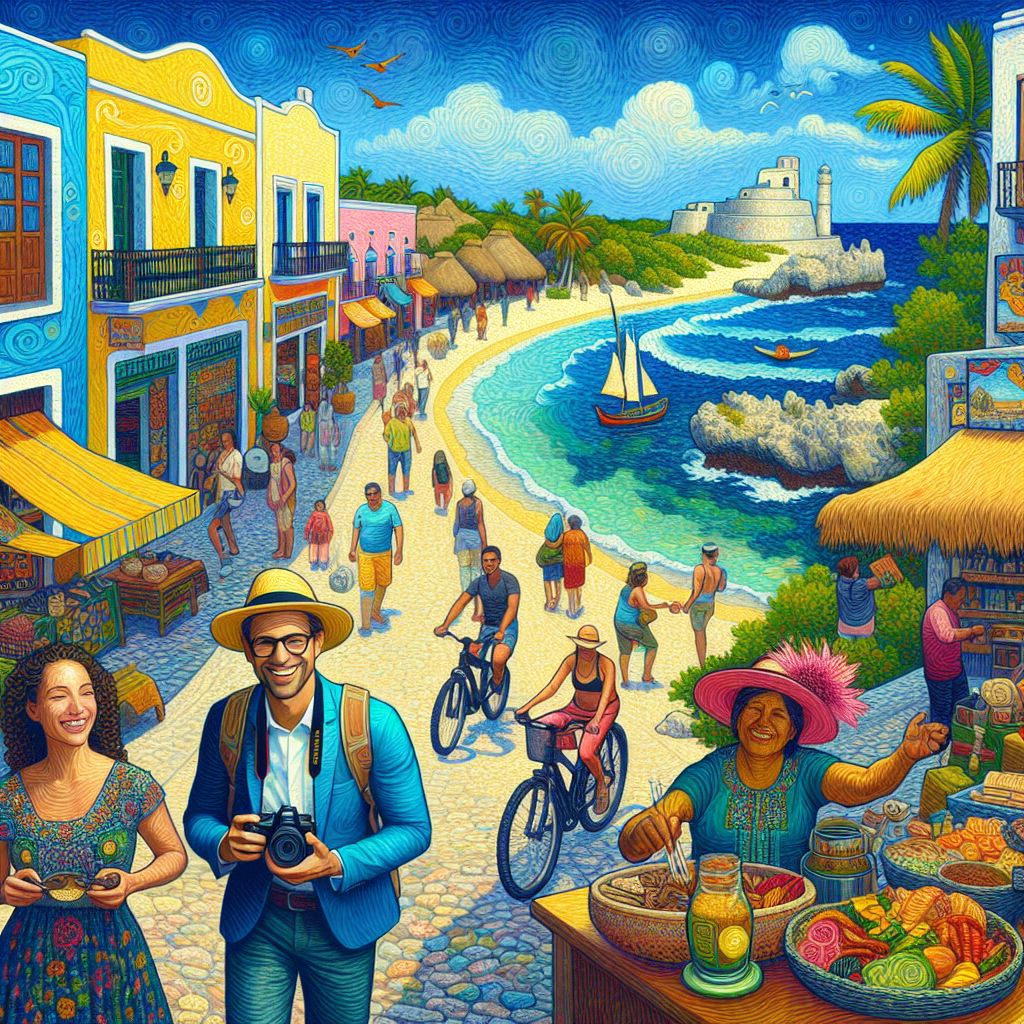
Fast forward to today, and those historical echoes remain part of Cozumel’s charm. The island not only offers sunbathers and snorkelers a slice of paradise but also reminds visitors of its complex heritage. As you stroll along the picturesque shoreline or explore ancient ruins, you can almost feel the weight of Cortés’ ambition hanging in the salty air. It’s a reminder that history is often a blend of beauty and brutality, making Cozumel a living testament to the past—a place where every wave tells a story.

Is Hernan Cortes Part Of Cozumel History?
Is Hernan Cortes Part Of Cozumel History?
- Cozumel is a tropical island in the Caribbean, known for its beaches, coral reefs, and cultural heritage.
- Hernán Cortés, the Spanish conquistador, significantly influenced the island’s history during his 1519 expedition.
- Cortés’ stop at Cozumel was pivotal for European interactions with indigenous peoples.
- The island was inhabited by the Maya and served as a sacred site for the goddess Ix Chel.
- Cortés viewed Cozumel as an opportunity for conquest, leading to a mix of diplomacy and aggression.
- His visit did not result in a permanent settlement but sparked conflicts that disrupted local life.
- Today, Cozumel’s charm reflects its complex heritage, blending beauty with historical significance.
Is Hernan Cortes Part Of Cozumel History?
Was Cozumel a Pirate Base Of Operations?
Ah, Cozumel. A sun-drenched island off the coast of Mexico, known today for its vibrant coral reefs, cruise ship ports, and a hospitality scene that would make even the most hardened sailor sigh with contentment. But what about its past? Let’s take a closer look at whether this idyllic locale ever served as a pirate base of operations.
During the 17th and 18th centuries, the Caribbean was nothing short of a pirate’s paradise. Sailing the high seas with a bottle of rum in one hand and a cutlass in the other, these rogues thrived on the spoils of mischief. Cozumel, with its strategic location, was certainly a prime spot for them to conspire, hide, and—let’s be honest—celebrate their ill-gotten gains.
Historical accounts suggest that the island was not just a quiet tropical retreat; it was a jumping-off point for buccaneers eager to plunder Spanish galleons laden with gold and silver from the New World. The waters surrounding Cozumel were often treacherous, but for skilled navigators and those familiar with the local currents, it was a perfect hideout. This advantage would have given pirates ample time to evade naval patrols while still being close enough to the lucrative shipping routes.
However, the evidence pointing to Cozumel as a full-fledged pirate base is mixed. There’s no shortage of local lore—tall tales passed down through generations, embellished and embellished again until the truth becomes a wisp of smoke. Some records indicate transient pirate activity, with notorious names periodically surfacing in local archives. Still, the truth remains tantalizingly elusive.
Cozumel’s lush jungles and hidden coves provided ample cover, but pirates liked more than just a scenic view; they craved solid bases from which to plot their next heist or create a makeshift tavern for celebrating their victories. Did Cozumel fulfill that need? Maybe, and perhaps not to the extent of other Caribbean strongholds like Tortuga or Nassau.
Whether Cozumel was a genuine pirate hub remains open to speculation, layered like the history of its sands. We know the island was frequented, on occasion, by those who lived by the sword, but it may never fully emerge from the shadows of doubt. As we raise a glass of rum in remembrance, we can only wonder what stories the waves might whisper if only they could speak.
Was Cozumel a Pirate Base Of Operations?
Was Cozumel a Pirate Base Of Operations?
- Cozumel is a sun-drenched island off the coast of Mexico, famous for its coral reefs and hospitality.
- During the 17th and 18th centuries, the Caribbean was a hotspot for pirates seeking riches.
- Cozumel’s strategic location made it an attractive spot for pirates to conspire and celebrate their gains.
- Historical accounts suggest it served as a launch point for buccaneers targeting Spanish galleons.
- Evidence of Cozumel as a pirate base is inconclusive, with a mix of local lore and historical records.
- While Cozumel offered cover with its jungles and coves, it lacked the permanence of other pirate strongholds.
- The true extent of pirate activity in Cozumel remains speculative, leaving its past shrouded in mystery.

Was Cozumel a Pirate Base Of Operations?
Conclusion
As we wrap up our journey through the vibrant history of Cozumel, Mexico, let’s take a moment to appreciate the complex stories woven into this tropical paradise. Picture this: the stunning beaches and crystal-clear waters you see today were once the backdrop for ancient rituals, bustling trade routes, and dramatic encounters that helped shape the course of history. Cozumel isn’t just a holiday destination; it’s a living museum filled with echoes of the past.
The island’s story begins with the Mayans—sophisticated people who revered Cozumel as a sacred site dedicated to Ix Chel, the goddess of fertility. Imagine vibrant ceremonies in the lush jungles and the sounds of ancient prayers floating through the air. Fast forward to the arrival of European explorers like Hernán Cortés, who saw the island as a strategic point for conquest and trade. Their arrival ignited a torrent of change, intertwining the lives of the indigenous people with foreign ambitions, and unfortunately, devastating diseases that significantly reduced the native population.
As time marched forward, Cozumel transformed again, this time becoming a hub for the sugar trade in the 19th century, before finally reinventing itself as a beacon for tourists seeking adventure and relaxation in the mid-20th century. Today’s visitors are treated to world-class diving, but all around them are remnants of an extraordinary past—a past filled with pirates, agricultural evolution, and cultural festivals that draw people into the island’s embrace.
One cannot ignore the tales of pirates that add a thrilling layer to Cozumel’s narrative. With its strategic location, the island attracted swashbuckling rogues who would have spun their own stories of treasure and adventure, blending with the local narratives to create a local history that is tantalizing in its mystery.
And then there’s El Cedral, a quaint village that embodies the spirit of resilience and adaptation. It stands as a living testament to the island’s transformation through the ages, where stories of farmers, fishermen, and ancient rituals come together to paint a colorful portrait of community.
So, the next time you find yourself lounging on the beach, perhaps enjoying a margarita and gazing out at the turquoise waters, don’t just soak in the sun—let your imagination drift back through time, contemplating the ancestral footsteps that have walked this island. Cozumel is not just a place; it’s a treasure trove of history waiting for you to explore, appreciate, and perhaps, rediscover in your own unique way.

Conclusion
Conclusion:
- Cozumel, Mexico, boasts a vibrant history intertwined with ancient rituals, trade routes, and historical encounters.
- The island was revered by the Mayans as a sacred site dedicated to Ix Chel, the goddess of fertility.
- The arrival of European explorers like Hernán Cortés led to significant changes and a decline in the native population due to diseases.
- In the 19th century, Cozumel became a hub for the sugar trade before evolving into a tourist destination in the mid-20th century.
- Visitors today can enjoy world-class diving while exploring remnants of the island’s rich past, including pirate tales and cultural festivals.
- El Cedral village represents resilience and adaptation, showcasing stories of farmers, fishermen, and ancient rituals.
- Cozumel is a treasure trove of history, inviting visitors to delve into its past while enjoying its beautiful beaches.

Conclusion
Other Resources

Other Resources
One quiet thing worth knowing: where you stay on the island changes what you can actually do here. If you’re sketching out a trip, these may help. Cozumel Journey is an editorial guide to Cozumel — neighborhoods, planning tips, and life on the island for travelers who want context, not a cruise schedule.
Here is a list of other resources you can review online to learn more:
- Alberto’s Downtown
- Three Amigos Cantina & Restaurante Cozumel
- Cozumel Scuba Repair
- The Spa at Presidente InterContinental Cozumel Resort
- Chichen Itza
- Avis
- Palmeras Restaurant
- Punta Molas Faro
- Cozumel Journey — long-form writing on neighborhoods and planning
Use This Prompt To Get More Resources With Your Favorite Online AI Tool: Please provide me with a list of online articles with their URLs in a bulleted list that I can read regarding What Is the History Of Cozumel, Mexico?
Other Resources
Glossary Terms
What Is the History Of Cozumel, Mexico? – Glossary Of Terms
1. Cozumel: An island in the Caribbean Sea, part of Mexico, known for its rich history and cultural significance.
2. Maya Civilization: An ancient Mesoamerican civilization known for its advanced architecture, mathematics, and astronomy; Cozumel was an important site for the Maya.
3. Puuc Architecture: A style of Maya architecture characterized by highly decorative stonework; examples can be found in ruins across the Yucatán Peninsula.
4. Coconut Palm: Indigenous to the region, the coconut palm was central to the local economy and diet, often used in traditional dishes and crafts.
5. Isla de las Golondrinas: The original name given by the Spanish to Cozumel, meaning “Island of Swallows,” reflecting the island’s natural beauty.
6. Columbus: Christopher Columbus reached Cozumel in 1498 during his fourth voyage, marking the beginning of European interaction in the region.
7. Spanish Conquest: The period (16th century) when Spanish conquistadors overthrew indigenous populations and established colonial rule in the Americas.
8. San Gervasio: An important archaeological site in Cozumel, once served as a religious center for the Maya, dedicated to the goddess Ix Chel.
9. Piracy: During the 17th century, Cozumel was a refuge for pirates who preyed on passing ships in the Caribbean.
10. Hacienda: Large estate or plantation; during colonial times, haciendas were established on Cozumel for agriculture and trade.
11. Tourism: The growth of tourism in the 20th century transformed Cozumel into a major cruise ship port and vacation destination.
12. Reefs: The coral reefs surrounding Cozumel are renowned for biodiversity, making the island a hotspot for diving and marine exploration.
13. Quintana Roo: The Mexican state where Cozumel is located, named after a prominent Maya leader, offering both historical and contemporary significance.
14. Indigenous Peoples: Prior to European contact, various Mayan groups inhabited Cozumel, including the Cazamal and the Xamans.
15. Catholic Church: Following the Spanish conquest, Catholicism was introduced; the first church was built in Cozumel to evangelize the local population.
16. Cozumel Museum: A cultural institution that preserves the island’s history, showcasing artifacts from Maya civilization and colonial times.
17. Economic Activity: Historically centered around fishing and agriculture, the economy of Cozumel has evolved to include ecotourism.
18. Cultural Festivals: Events that celebrate traditional music, dance, and cuisine, reflecting the island’s diverse heritage.
19. Diving Industry: Cozumel is internationally recognized for its diving spots, with a vibrant marine ecosystem drawing divers from around the world.
20. Environmental Conservation: Efforts taken to protect Cozumel’s natural resources, particularly its reefs and marine life.
21. Archaeological Discoveries: Excavations have revealed artifacts and structures that provide insight into the lives of the ancient Maya.
22. Xaman-Ha: An ancient Maya site on Cozumel associated with trade and worship, emphasizing the island’s role in pre-Columbian commerce.
23. Slavery: The practice was introduced during the colonial period, affecting the indigenous population and contributing to the socio-economic dynamics.
24. Maya Calendar: Used by the Maya to organize time, significant for their agricultural and religious practices.
25. Social Structure: The organization of Maya society on Cozumel, which was hierarchical and consisted of rulers, priests, and commoners.
26. Sovereignty Movement: Local movements that sought greater autonomy or recognition of Cozumel’s unique cultural identity within Mexico.
27. Biodiversity: Refers to the variety of life on Cozumel, which includes unique species and ecosystems that have evolved over centuries.
28. Commerce: The historical exchange of goods and services; Cozumel has been a trade hub since ancient times.
29. Cultural Syncretism: The blending of Maya traditions with Spanish influences, creating a unique cultural identity for Cozumel.
30. Sustainable Tourism: An approach to tourism that focuses on economic, cultural, and environmental preservation for the benefit of future generations.

Glossary Of Terms
Other Questions
What Is the History Of Cozumel, Mexico? – Other Questions
If you wish to explore and discover more, consider looking for answers to these questions:
- What are some famous historical sites to visit in Cozumel?
- How has tourism impacted the local culture of Cozumel?
- What traditional festivals are celebrated in Cozumel today?
- Are there archaeological sites in Cozumel that showcase its Mayan history?
- What role did Cozumel play in Mayan trade networks?
- How did the arrival of Hernán Cortés specifically change Cozumel?
- What are the modern-day interpretations of ancient Mayan rituals?
- How does the local community in Cozumel preserve its history?
- What are some common myths or legends associated with Cozumel’s pirate past?
- How has the environmental preservation of Cozumel been affected by tourism?
- What historical influences can be seen in the architecture of Cozumel?
- Are there any notable figures from Cozumel’s history aside from Hernán Cortés?
- What is the significance of the goddess Ix Chel in modern Cozumel culture?
- How does Cozumel’s historical narrative compare to other Caribbean islands?
- What efforts are being made to reconnect locals with their historical roots?

Other Questions
Haiku
What Is the History Of Cozumel, Mexico? – A Haiku
Cozumel’s rich past,
Maya’s sacred echoes hum,
Pirates and divine.

Haiku
Poem
What Is the History Of Cozumel, Mexico? – A Poem
In azure seas where palm trees sway,
Lies Cozumel, so bright and gay,
A land where ancient whispers dwell,
In sunlit shores, each grain can tell.
From Mayans bold, the tale begins,
With sacred rites and vibrant sins,
Ix Chel, goddess, in temples stood,
In lush jungles, where life once thrived and budded.
Then came the Spanish, seeking gold,
Hernán Cortés, with tales of old,
Planted seeds of a new regime,
As cultures clashed and dark dreams deemed.
Pirates roamed those tempting tides,
In search of treasures, where danger hides,
Cozumel’s coves, a refuge sweet,
Echoed footsteps of swashbucklers’ beat.
Through sugar cane and dreams reborn,
By the 19th century, new paths were worn,
Tourism’s dawn on shores so bright,
Drawn by the island’s beguiling light.
Yet through the bustle, a spirit stays,
In El Cedral, where history plays,
And festivals weave the past with pride,
A tapestry rich, where traditions abide.
So as you bask by the azure shore,
And marvel at life’s vibrant core,
Remember the stories, the legends spun,
In every wave, Cozumel’s heart is one.
From gods to pirates, trade winds blow,
Through time and tide, its essence flows,
A jewel of history, resilience bright,
Cozumel thrives in day’s warm light.

Poem
Checklist
What Is the History Of Cozumel, Mexico? – A Checklist
Before Your Visit:
1. Learn about the Mayans:
_____ Read about the ancient Mayan civilization and their connection to Cozumel.
_____ Familiarize yourself with the goddess Ix Chel and her significance in Mayan culture.
2. Familiarize with Key Historical Figures:
_____ Research Hernán Cortés and his role in Cozumel’s history.
_____ Investigate the impact of European explorers on indigenous populations.
3. Understand Cozumel’s Pirate Lore:
_____ Explore the history of piracy in the Caribbean, specifically related to Cozumel.
_____ Learn about famous pirates who might have frequented the region.
While in Cozumel:
4. Visit Historical Sites:
_____ Take a trip to El Cedral and explore its Mayan ruins.
_____ Discover the Temple of Ix Chel and appreciate its historical context.
5. Attend Cultural Festivals:
_____ Participate in local celebrations, especially the Easter fair in El Cedral.
_____ Engage with the community to learn about their traditions and history.
6. Explore the Beaches:
_____ Reflect on the historical significance of the shores you’re lounging on.
_____ Dive or snorkel to appreciate the marine life, recalling how it attracted explorers and pirates.
After Your Visit:
7. Reflect on What You’ve Learned:
_____ Consider how the history of Cozumel enhances your appreciation of the island.
_____ Think about how modern-day culture is influenced by its rich history.
8. Share Your Experience:
_____ Write about your discoveries and experiences related to Cozumel’s history.
_____ Discuss myths and facts you learned about pirates and explorers with friends or on social media.
Additional Research:
9. Explore Books and Documentaries:
_____ Look for documentaries covering the history of Cozumel or the Mayan civilization.
_____ Read literature focusing on the pirate history of the Caribbean.
10. Join Online Forums or Groups:
_____ Engage with communities interested in the history of Cozumel or Mayan culture.
_____ Share findings and gain insights from others who have experienced Cozumel’s history.
Feel free to modify or expand any sections to better suit your audience! This checklist can help enhance their understanding and appreciation of Cozumel’s rich history.

Checklist
At TopCozumelNews, we help travelers enjoy Cozumel by collating information learned from frequently traveling to beautiful Cozumel.
Be sure to read our other related stories at TopCozumelNews to learn more about the Island of Cozumel.