Dive Into Cozumel’s Reefs: A Solution For Environmental Concerns?
By Tom Seest
At TopCozumelNews, we help travelers enjoy Cozumel by collating information learned from frequently traveling to beautiful Cozumel.
Be sure to read our other related stories at TopCozumelNews to learn more about the Island of Cozumel.
Can The Reefs In Cozumel Ease Your Environmental Worries?
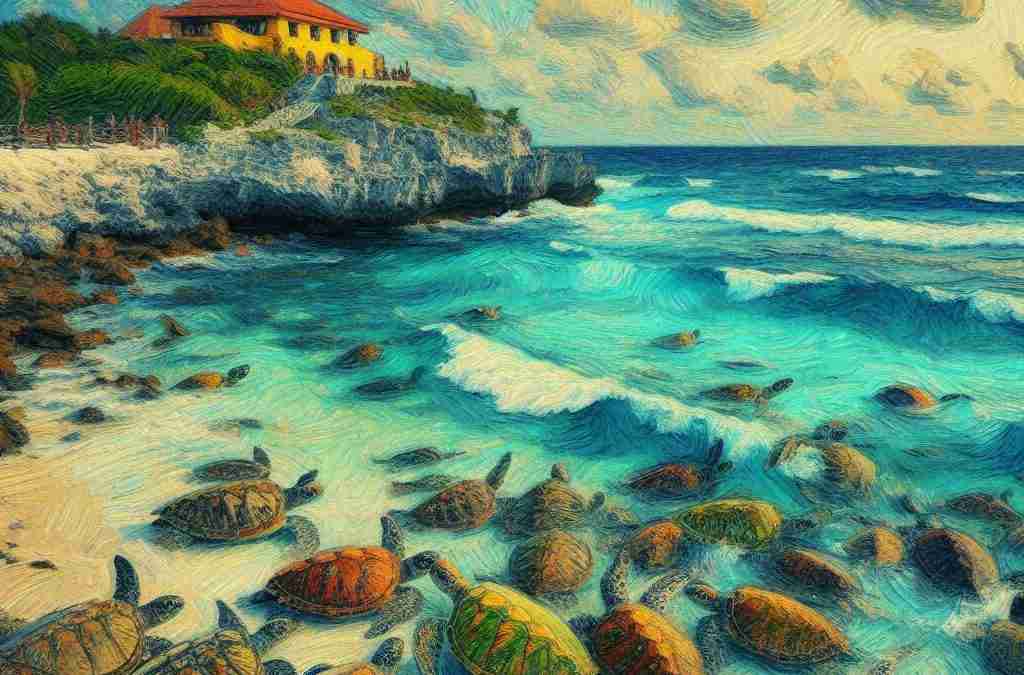
Cozumel: a name that conjures images of azure waters, colorful reefs, and sun-soaked beaches. But beneath this postcard-perfect facade lies a powerful story—one of resilience, beauty, and maybe, just maybe, an antidote to some of our environmental worries.
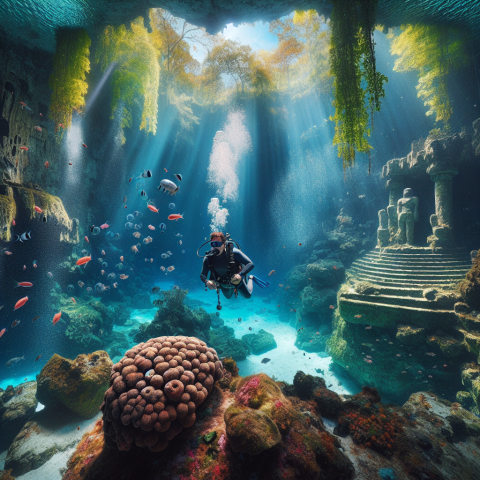
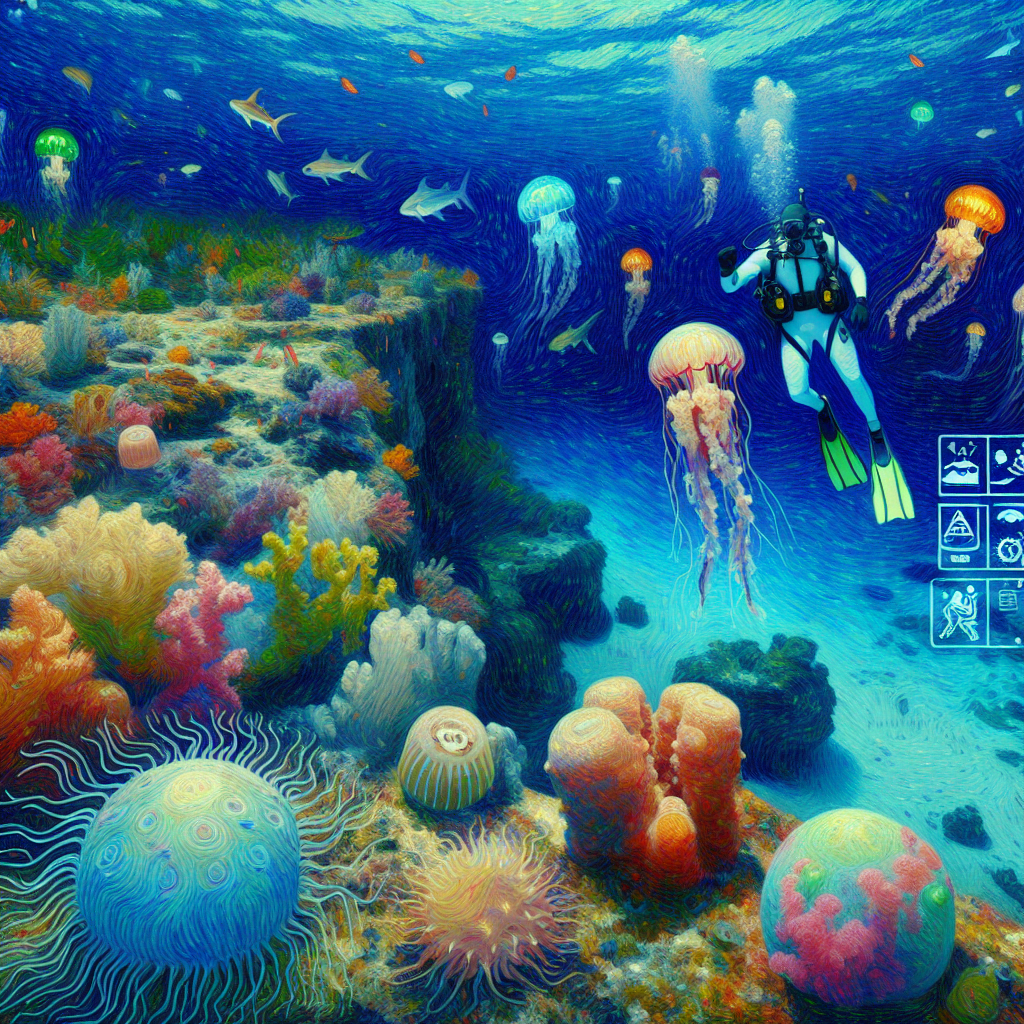
Imagine diving into those crystalline depths, surrounded by a kaleidoscope of marine life. The coral reefs of Cozumel are not just a pretty backdrop; they are vital ecosystems that serve as the lungs of our oceans. In an age where climate change looms over us like a dark cloud, these reefs stand as a testament to nature’s ingenuity. They provide shelter, breeding grounds, and sustenance for countless species, helping to maintain the delicate balance of marine life.
But here’s the kicker: while you’re enjoying the pristine waters and vibrant marine life, you also are witnessing firsthand the impacts of human activity. The reefs are not immune to the relentless tide of pollution, overfishing, and climate change. We’ve all heard the sobering statistics; coral bleaching is a reality, and the health of these underwater gardens hangs in the balance. It begs the question—can the beauty of Cozumel’s reefs reignite our commitment to preservation while alleviating some of our environmental worries?
As you float over the corals, it’s hard not to draw parallels to our own lives. Much like those reefs, we too are products of our environments, shaped by the interactions we have and the choices we make. When we surround ourselves with beauty—whether it’s in nature or our daily lives—we are inspired to protect it. Cozumel offers a unique opportunity: visit these reefs, and you might just leave with a renewed sense of purpose.
Take a moment to dive into these waters, not just for the thrill, but to feel a connection to something far bigger than yourself. Witnessing the intricate dance of nature can stir something deep within, rekindling our sense of responsibility towards the world around us.
CCozumel isn’t merely a dashboard for snorkeling enthusiasts; it’s a living, breathing reminder that our actions have consequences. Can the reefs ease our environmental worries? It’s possible. After all, when we cherish what we have and protect it with vigor, we light a path towards a more sustainable future—for the reefs and for ourselves.

Can The Reefs In Cozumel Ease Your Environmental Worries?
Can The Reefs In Cozumel Ease Your Environmental Worries?
- Cozumel is known for its stunning azure waters, colorful reefs, and scenic beaches, but it also has a deeper story of resilience and environmental significance.
- The coral reefs serve as vital ecosystems, supporting marine life and maintaining balance in the oceans amidst climate change challenges.
- Human activities such as pollution, overfishing, and climate change threaten the health of these reefs, emphasizing the urgency to protect them.
- Cozumel’s coral reefs may reignite our commitment to environmental preservation, encouraging visitors to cherish and protect natural beauty.
- Experiencing the reefs can create a sense of connection to nature and inspire a responsibility towards the environment.
- Cozumel stands as a reminder that our actions carry consequences, highlighting the importance of sustainability and conservation.
- By valuing and protecting ecosystems like the reefs, we pave the way for a sustainable future for both the environment and ourselves.

Can The Reefs In Cozumel Ease Your Environmental Worries?
Table Of Contents
- Can The Reefs In Cozumel Ease Your Environmental Worries?
- How Do Reefs Support Marine Life?
- How Can We Protect These Vital Ecosystems?
- What Role Do Reefs Play In Coastal Protection?
- How Do Reefs Contribute To Local Economies?
- What Is The Impact Of Reef Damage On Biodiversity?
- How Can Individual Actions Help Reefs?
- What Restoration Efforts Are Underway In Cozumel?
- Conclusion
- Other Resources
- Glossary Of Terms
- Other Questions
- Haiku
- Poem
- Checklist
How Do Reefs Support Marine Life?
When we talk about the wonder of coral reefs, particularly the vibrant ecosystems like those found around Cozumel, the sheer variety and volume of marine life they support is nothing short of astounding. These underwater jungles don’t just look incredible; they’re bustling metropolises for countless species, serving as crucial nurseries and feeding grounds essential for maintaining the rich biodiversity of our oceans.
Imagine stepping out into the warm Caribbean sun and plunging down into those clear blue waters off Cozumel, a spot renowned for its spectacular reefs. As you descend, you can see the intricate structures of the corals. These formations are not just stunning to behold; they provide shelter and protection for a myriad of marine inhabitants—from the tiniest shrimp to magnificent sea turtles. Think of corals as the skyscrapers in a city; they rise from the ocean floor, creating complex habitats that give refuge to critters of all shapes and sizes.
In these bustling underwater communities, fish shelter among the coral branches during their early, vulnerable stages of life. Juvenile fish find safety in the nooks and crannies where larger predators simply can’t fit. This isn’t just coincidence; it’s a well-orchestrated dance of survival. The coral reefs serve as a kind of protective nursery, providing not just shelter but also food resources. Many species, like parrotfish and butterflyfish, rely on the algae and tiny organisms that thrive on the coral itself.
Moreover, the reefs play a key role in nutrient cycling, contributing to the overall health of the marine ecosystem. This process ensures that the waters around Cozumel remain nutrient-rich, fueling a diverse web of life. Without these coral reefs, the entire marine environment would be significantly altered, leading to declines in fish populations, which we rely on for food, livelihoods, and recreation.
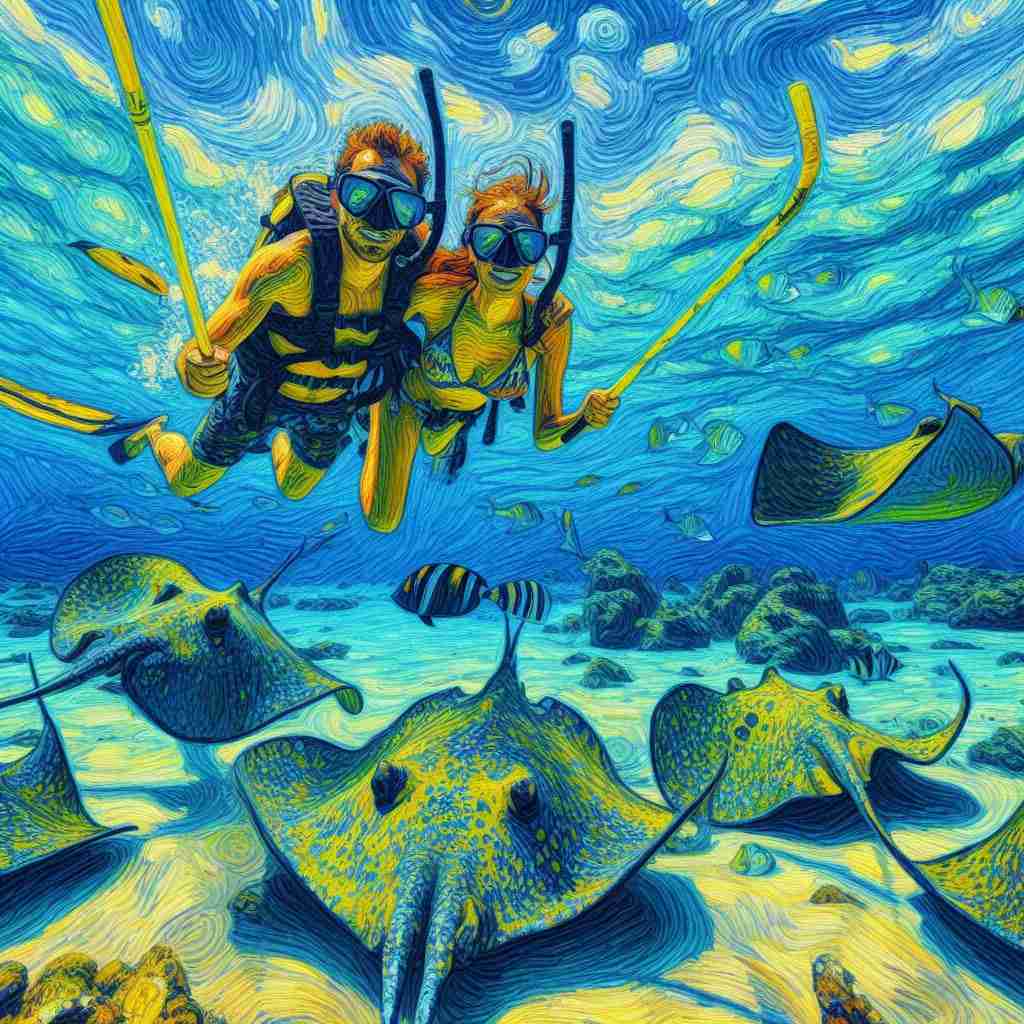
Finally, let’s not overlook the relationship between reefs and larger marine predators, like sharks and rays. These majestic creatures are often drawn to vibrant ecosystems like those found in Cozumel, where they can find ample food and sheltered breeding grounds. The delicate balance of life in these waters underscores the importance of preserving such habitats, as they are crucial to the entire marine food chain.
So, the next time you admire the stunning reefs off Cozumel or any other tropical paradise, remember that beneath the surface lies a vibrant, interdependent community that’s vital to the health of our oceans. And with that community at risk, it becomes all the more critical for us to take action to protect these natural wonders.

How Do Reefs Support Marine Life?
How Do Reefs Support Marine Life?
Here’s the summary in a formatted bulleted HTML list:
- Coral reefs, especially those in Cozumel, host a diverse array of marine life, acting as crucial nurseries and feeding grounds.
- The vibrant ecosystems are like underwater cities, providing shelter and protection for various marine species.
- Corals serve as shelters for juvenile fish, offering safe havens where they can grow away from predators.
- Reefs contribute to nutrient cycling, maintaining the overall health of the marine ecosystem around Cozumel.
- The decline of coral reefs would significantly disrupt marine environments and reduce fish populations vital for human consumption and livelihoods.
- Larger marine predators like sharks and rays are drawn to healthy coral reefs, emphasizing the intricate relationships within these ecosystems.
- The conservation of coral reefs is essential for maintaining the biodiversity and health of our oceans, highlighting the need for protective actions.

How Do Reefs Support Marine Life?
How Can We Protect These Vital Ecosystems?
In the grand tapestry of our planet, few places exhibit the breathtaking beauty and ecological wealth of Cozumel. This island, flanked by the crystalline waters of the Caribbean, is a paradise teeming with vibrant marine life, lush mangroves, and stunning coral reefs. But as enchanting as it is, Cozumel’s ecosystems face constant threats from human activities and climate change. So, what can we do to ensure we protect these vital ecosystems for future generations?
First off, education is key. When people understand the significance of the flora and fauna surrounding them, they’re more likely to respect it. Dive shops, hotels, and local businesses can collaborate to provide information sessions about the importance of marine conservation. Imagine tourists waking up to the fact that every snorkel they take, every piece of coral they touch, can have a lasting impact. Visitors soon realize that their enjoyment is contingent on a healthy ecosystem, sparking a desire to preserve it.
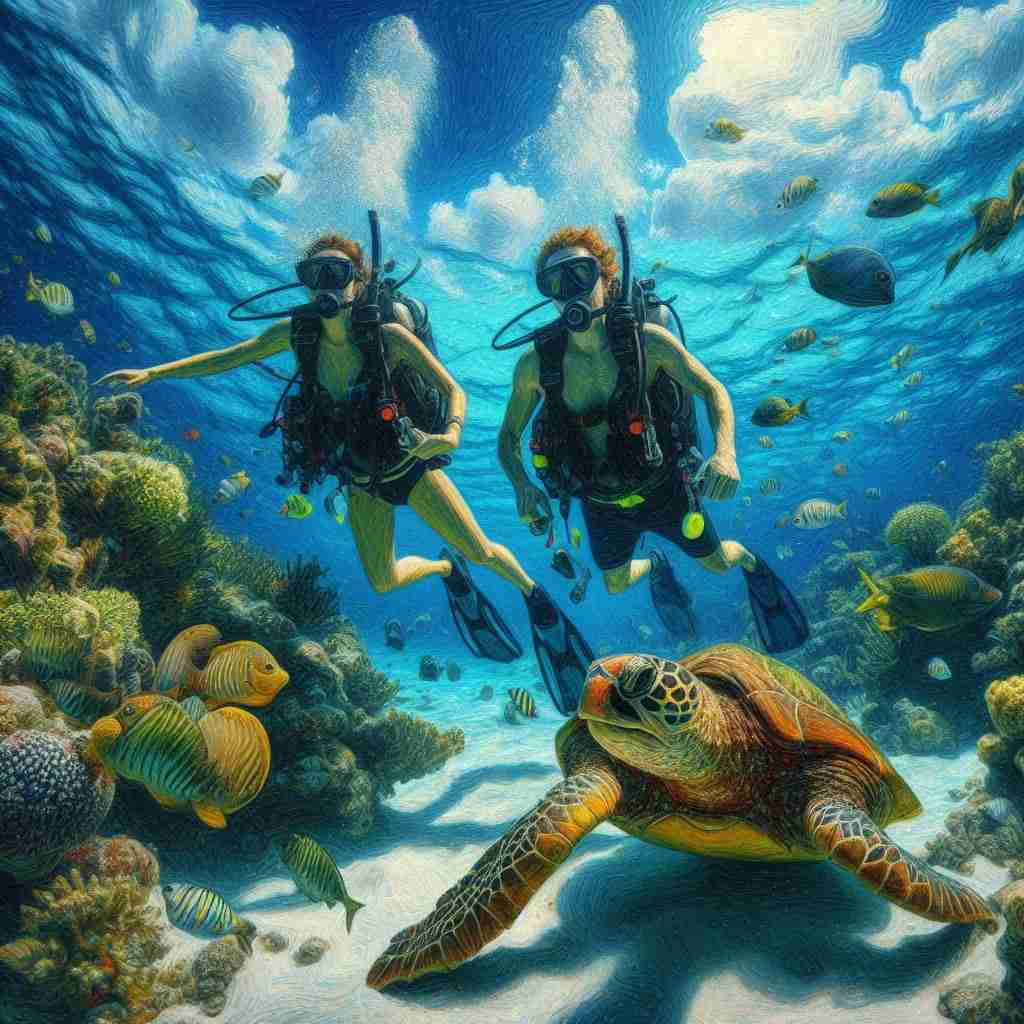
Next, we must embrace sustainable tourism practices. Dive responsibly, explore the underwater wonders without leaving a trace, and be mindful of marine life. Establishing guidelines for diving and snorkeling can minimize damage to sensitive areas. This isn’t just about rules; it’s about fostering a culture of respect for nature. Tour operators and local guides can lead by example, ensuring that all activities are conducted with the utmost care for the environment.
On the broader scale, we need stronger regulations to protect Cozumel’s ecosystems. Local governments and community organizations must advocate for policies that limit harmful activities, such as overfishing, coastal development, and pollution. They can work hand in hand with scientists to monitor reef health and restore damaged areas. By creating marine protected areas, we can designate safe havens for marine life to thrive, enabling those beautiful coral reefs and their inhabitants to recover from damage.
Lastly, let’s not forget about innovation. Embracing new technologies, like drone surveillance, can enhance our ability to monitor ecosystems more effectively. When we utilize these tools responsibly, we can gather essential data, spot issues early on, and react swiftly before they escalate into full-blown crises.
Cozumel’s vibrant ecosystems are treasures that deserve our respect and protection. By combining education, sustainable practices, regulatory support, and innovative solutions, we can keep this paradise intact for generations to enjoy. After all, a healthy ecosystem means a healthy planet, and that benefits us all.

How Can We Protect These Vital Ecosystems?
How Can We Protect These Vital Ecosystems?
- Cozumel is a beautiful island with rich marine life, mangroves, and coral reefs facing threats from human activities and climate change.
- Education is crucial for raising awareness about the importance of preserving local ecosystems.
- Collaborative information sessions by dive shops, hotels, and local businesses can enhance marine conservation understanding among tourists.
- Sustainable tourism practices should be embraced to minimize damage to sensitive areas during diving and snorkeling activities.
- Stronger regulations are needed to protect Cozumel’s ecosystems, including limiting harmful activities like overfishing and pollution.
- Establishing marine protected areas can provide safe havens for marine life, allowing recovery of damaged ecosystems.
- Innovative technologies, such as drone surveillance, can aid in effective monitoring and early detection of ecological issues.
How Can We Protect These Vital Ecosystems?
What Role Do Reefs Play In Coastal Protection?
Ah, reefs! Those stunning, underwater cities bustling with life and color. But these underwater marvels do more than just make for an impressive afternoon of snorkeling or diving; they serve as a formidable line of defense against the tumultuous forces of nature. In places like Cozumel, a tropical paradise in the Caribbean, reefs assume a role that reaches far beyond the aesthetics of vibrant corals and darting fish.
Imagine the sheer power of ocean waves crashing toward the shore, driven by storms or even just the relentless energy of the seas. Without reefs, those waves would race forward with unimpeded intensity, battering coastlines, eroding beaches, and damaging coastal structures. However, the presence of a reef acts as a natural barrier, absorbing the energy of these waves, dispersing their power before they reach land. Think of it as a bouncer at a club, ensuring that only the gentlest of the wave crowd makes it through.
But the role of reefs doesn’t stop there. They create habitats for a plethora of marine life, supporting biodiversity that contributes to the health and resilience of the ecosystem. Healthy ecosystems can withstand the ravages of storms far better than barren ones, making the coral reefs of Cozumel and similar locales essential not just for aesthetics, but for the overall protection of coastal areas.
In addition to wave resistance and habitat creation, these reefs play a hand in maintaining the balance of sediments. They trap loose sand and sediments, preventing them from being swept away into deeper waters. When the sediments are held in place, they contribute to the stability of the coastline and help bolster the local shoreline against the eroding effects of shifting currents and rising sea levels.
Moreover, reefs can even act as a buffer during extreme weather events. When hurricanes roar through, the reefs help to lessen the blow, softening waves and protecting coastal communities from catastrophic damages. Without them, the risk to residential areas, tourism, and livelihoods would dramatically increase, leading to devastating impacts on economies dependent on a healthy coastal environment.
So, next time you’re reveling in the turquoise waters of Cozumel or contemplating your next dive destination, take a moment to appreciate the unsung heroes lurking just below the surface. Those reefs are not just stunning spectacles; they are nature’s first line of defense against the mounting forces of our changing world.

What Role Do Reefs Play In Coastal Protection?
What Role Do Reefs Play In Coastal Protection?
- Reefs are vibrant underwater cities that support rich marine life.
- They act as natural barriers, absorbing wave energy and protecting coastlines.
- Reefs help create habitats that support biodiversity and resilient ecosystems.
- Healthy ecosystems are better equipped to withstand storms and environmental changes.
- Reefs trap loose sand and sediments, stabilizing coastlines against erosion.
- They serve as buffers during extreme weather, reducing damage from hurricanes.
- Reefs are vital for coastal economies, tourism, and community protection.

What Role Do Reefs Play In Coastal Protection?
How Do Reefs Contribute To Local Economies?
When you think of vibrant underwater worlds, places like Cozumel likely come to mind. This picturesque island off the coast of Mexico is famous for its stunning coral reefs, and while they may be beautiful to look at, the question arises: how exactly do they contribute to local economies? The answer is as deep as the ocean itself.
First off, let’s talk tourism. Cozumel attracts millions of visitors each year wanting to experience its biodiversity—not just the colorful fish and corals, but the entire ecosystem that thrives beneath the waves. Tour operators, dive shops, and snorkeling excursions flourish in this environment, creating a job market that supports the local community. The more people who dive into these natural wonders, the more demand there is for local services, from hotels to restaurants to transportation.
Then there’s the fishing industry, which relies heavily on healthy reefs to sustain various fish populations. Sustainable fishing practices can thrive if these habitats are protected, ensuring that local fishermen can continue their trade for years to come. A well-preserved reef not only contributes to the local diet but also generates income by attracting tourists interested in fresh, local seafood.
But let’s not forget the scientific and conservation efforts that also play a role. Research stations and marine conservation organizations often set up shop in reef-rich areas, bringing with them additional funding and job opportunities. These efforts not only educate the public about the importance of marine ecosystems but also create a workforce dedicated to preserving this valuable resource. This additional layer of economic activity can help mitigate the effects of climate change and pollution on these delicate ecosystems, ultimately benefitting future generations.
Lastly, consider the cultural significance of reefs. For local communities, these environments aren’t just a source of income; they are a part of heritage and identity. Many artisans and craftspeople create products inspired by the ocean’s beauty—handmade jewelry, art, clothing—enhancing the cultural fabric of places like Cozumel. The symbolic value of reefs often translates into economic value, demonstrating how nature can inspire creativity and generate revenue.
The contributions of reefs to local economies are as layered as the corals themselves. By supporting tourism, sustainable fishing, scientific research, and a culture of creativity, these underwater ecosystems provide a foundation that sustains both livelihoods and the natural beauty that draws people in. So next time you find yourself gazing at the beauty of a reef, remember that it’s not just a stunning view—it’s a lifeline for many.

How Do Reefs Contribute To Local Economies?
How Do Reefs Contribute To Local Economies?
- Cozumel’s coral reefs attract millions of tourists each year, supporting a thriving tourism industry.
- Tour operators, dive shops, and snorkeling excursions create jobs and stimulate local services such as hotels and restaurants.
- The fishing industry relies on healthy reefs for sustainable fish populations, contributing to both local diets and income generation.
- Research stations and marine conservation organizations in reef-rich areas provide funding and job opportunities in scientific and conservation efforts.
- Conservation activities educate the public about marine ecosystems, creating a workforce dedicated to environmental preservation.
- Reefs hold cultural significance for local communities, inspiring artisans to create products that enhance cultural heritage.
- Overall, reefs provide a foundation for local economies through tourism, fishing, scientific research, and cultural creativity.

How Do Reefs Contribute To Local Economies?
What Is The Impact Of Reef Damage On Biodiversity?
Reef ecosystems are some of the most vibrant and diverse environments on our planet, often referred to as the “rainforests of the sea.” But here’s the kicker: when damage occurs to these irreplaceable habitats, the ripple effect on biodiversity can be staggering. Take Cozumel, for instance. This beautiful island off the coast of Mexico is celebrated not just for its stunning beaches, but also for its thriving coral reefs. Unfortunately, when we turn a blind eye to the damages inflicted by pollution, climate change, and overfishing, we’re not just damaging pretty scenery—we’re impacting an intricate web of life.
Coral reefs support a myriad of species, from the tiniest plankton to majestic sea turtles. Each organism plays a role in maintaining the delicate balance of the ecosystem, like a finely tuned orchestra. When one instrument falters—say, the corals themselves—entire compositions can fall apart. Damage to coral reefs leads to a drastic decline in fish populations, especially those species that use the reef as a breeding ground. It’s a harsh reality: without healthy reefs, we lose an essential habitat for marine life.
In Cozumel, the repercussions of reef degradation extend beyond the ocean floors. Local communities that rely on reef fish for their livelihood face dwindling catches as species disappear. The loss of biodiversity not only threatens the balance of marine ecosystems but also the cultural and socioeconomic fabric of those who depend on the sea. Fishermen, divers, and tourism operators all feel the strain as the once-thriving marine tapestry unravels.
Moreover, healthy reefs also serve crucial functions in protecting coastlines from erosion and storm surges. An intact reef acts like a buffer, dissipating wave energy and safeguarding coastal communities. As biodiversity suffers, we not only jeopardize the fish and mammals that call these reefs home, but we also put ourselves at risk.
It’s easy to think, “What does it matter if a few corals die?” But the truth is that every single piece of marine life contributes to an extensive interdependent network. So next time you think about the impact of reef damage, consider the bigger picture—one where vibrant diversity is essential not just for the health of our oceans, but also for our own survival. Cozumel might be a beautiful getaway, but it stands as a stark reminder that the health of our reefs is critical to the overall health of our planet.

What Is The Impact Of Reef Damage On Biodiversity?
What Is The Impact Of Reef Damage On Biodiversity?
- Reef ecosystems, known as “rainforests of the sea,” are vibrant and diverse environments.
- Damage to coral reefs causes significant biodiversity loss and disrupts ecological balance.
- Cozumel, an island off Mexico, is renowned for its coral reefs but is threatened by pollution, climate change, and overfishing.
- Coral reefs provide crucial habitats for various marine species, including fish that rely on them for breeding.
- Local communities dependent on reef fish are facing declining catches as biodiversity diminishes.
- Healthy reefs protect coastlines from erosion and storm surges, safeguarding coastal communities.
- The health of coral reefs is vital not only for marine ecosystems but also for human survival and socioeconomic stability.
What Is The Impact Of Reef Damage On Biodiversity?
How Can Individual Actions Help Reefs?
When we think about coral reefs, we often envision pristine waters teeming with vibrant marine life. But the reality is that these underwater wonders are facing some serious threats—from climate change to pollution. While it may seem daunting, individual actions can make a world of difference in protecting and preserving our beloved reefs. Don’t believe it? Let’s take a stroll through how small steps add up to big impacts.
First up, travel. If you’re planning a getaway to a place like Cozumel, do your homework. Choose eco-conscious tour operators and lodgings that emphasize sustainable practices. These businesses often engage in reef conservation efforts and educate visitors about the fragile ecosystems they’re experiencing. Your choices can help keep the reefs alive. So, ask questions, dive deeper, and ensure your dollars support the right initiatives.
Next, let’s talk about your everyday habits. Ever heard of “reef-safe” sunscreen? Traditional sunscreens are loaded with chemicals that can harm coral. A simple switch to reef-friendly options can reduce the toxic load on these delicate ecosystems. Just slathering on the right sunscreen can keep your skin safe while ensuring your swimming doesn’t come with collateral damage to marine life.
Then, there’s the issue of waste—especially plastic. It’s a no-brainer that what you toss away can seep into our oceans and smother corals. By making a conscious effort to reduce, reuse, and recycle, individuals can play a pivotal role in keeping trash out of the water. Consider using reusable bags, stainless steel water bottles, or even a good old-fashioned coffee mug. Every little bit helps keep our oceans clear and our reefs healthy.
Educate yourself and others. The more you know about the threats facing coral reefs, the better equipped you’ll be to advocate for them. Share that knowledge with friends and family, and use your voice. Whether it’s supporting local conservation efforts or raising awareness on social media, passion is contagious, and every conversation counts.
Finally, if you have the chance, participate in local coastal clean-ups or marine conservation programs. Whether it’s up to your elbows in sand or in a boat, these hands-on experiences not only make a difference but also connect you with the larger community dedicated to saving our oceans.
In summary, individual actions in places like Cozumel—or any coastal area—can accumulate to create a wave of positive change. Every choice, no matter how small, can contribute to the future of our coral reefs. So, let’s get out there and make a difference!

How Can Individual Actions Help Reefs?
How Can Individual Actions Help Reefs?
- Coral reefs are threatened by climate change and pollution.
- Individual actions can significantly impact coral reef protection and preservation.
- When traveling, choose eco-conscious tour operators and accommodations that support reef conservation.
- Switch to “reef-safe” sunscreen to minimize chemical harm to coral ecosystems.
- Reduce plastic waste by using reusable items, preventing trash from entering oceans.
- Educate yourself and others about coral reef threats to advocate effectively for their protection.
- Participate in local clean-ups and marine conservation programs to contribute hands-on efforts.

How Can Individual Actions Help Reefs?
What Restoration Efforts Are Underway In Cozumel?
Cozumel, a jewel of the Caribbean, is no stranger to the turbulent forces of nature. The island’s vibrant ecosystems, pristine beaches, and thriving coral reefs have faced challenges, but the spirit of restoration is stronger than ever. It’s a blend of grit, determination, and a lot of hard work that’s breathing life back into this paradise.
One of the most significant endeavors on the island is the Coral Restoration Program. Reef degradation due to climate change, overfishing, and pollution has taken its toll. However, local marine biologists and volunteers are donning their dive gear and taking to the waters to transplant resilient coral fragments specifically bred for survival. With patience and precision, they’re nurturing these fragments to form the future of a healthier reef system. Every dive is like a treasure hunt of sorts, as divers piece together the underwater puzzle of rebirth, ensuring that Cozumel’s underwater world remains vibrant for generations to come.
On land, efforts are focused on reforesting areas that were decimated by hurricanes and human activity. The planting of native trees not only restores biodiversity but also helps stabilize the soil, preventing erosion and preserving the scenic vistas that Cozumel is known for. Community participation is at the heart of these projects, with locals and tourists alike joining forces to plant saplings, watch them grow, and learn the importance of environmental stewardship.
Another crucial aspect of the restoration efforts is addressing waste management and pollution control. Clean-up initiatives are regularly organized on the beaches, where volunteers gather to remove debris and litter that threaten the natural beauty of Cozumel. Community education plays a vital role here, with workshops focused on sustainable practices. Islanders are learning how simple changes, like reducing single-use plastics and implementing eco-friendly practices, can have a monumental impact on their environment.
Moreover, the tourism sector is joining the cause by promoting eco-tourism and responsible travel practices. Establishments are adopting measures to mitigate their carbon footprint, ensuring that visitors enjoy the breathtaking beauty of Cozumel without compromising its integrity.
With each seed planted, every coral fragment nestled into its new home, and every piece of trash removed, these restoration efforts are like a collective heartbeat—reminding us that the spirit of Cozumel is resilient, and together, we can nurture and protect it.

What Restoration Efforts Are Underway In Cozumel?
What Restoration Efforts Are Underway In Cozumel?
- Cozumel is a Caribbean island facing the challenges of nature but exhibiting a strong spirit of restoration.
- The Coral Restoration Program is a significant effort to combat reef degradation caused by climate change, overfishing, and pollution.
- Marine biologists and volunteers are transplanting resilient coral fragments bred for survival to rebuild healthier reef systems.
- Reforestation initiatives focus on planting native trees to restore biodiversity and stabilize soil affected by hurricanes and human activity.
- Community involvement is crucial, with locals and tourists participating in environmental stewardship activities like planting saplings.
- Waste management efforts include beach clean-up initiatives and community education on sustainable practices to combat pollution.
- The tourism sector is promoting eco-tourism and responsible travel to minimize the carbon footprint while preserving Cozumel’s natural beauty.

What Restoration Efforts Are Underway In Cozumel?
Conclusion
If there’s one thing that’s clear from diving into the reefs of Cozumel, it’s this: the ocean isn’t just a pretty place to visit for a week of sunshine and cocktails. It’s a vital component of our planet’s health and our own survival. The colorful corals and the bustling marine life they support are not merely a spectacle but essential players in maintaining the fragile balance of marine ecosystems. As we face mounting environmental challenges—from pollution to climate change—these reefs emerge as not just a treasure but an urgent calling to action.
When you slip beneath the waves, you’re not just experiencing the breathtaking beauty of Cozumel; you’re witnessing a story of resilience. These coral structures, much like us, are battered by external pressures. But they also embody potential—a reminder that with effort and commitment, recovery is possible. Can the simple act of exploring these reefs reignite our passion for environmental stewardship? Absolutely. It’s in those moments of connection, when you glimpse the intricate dance of life within the coral, that you might feel compelled to advocate for their protection.
And that’s where we come in. From individuals making smarter choices about sunscreen to community efforts aimed at combatting waste, each action can spark a ripple effect. By embracing sustainable tourism and advocating for the local ecosystem, you not only help preserve the reefs but also ensure that the livelihoods of countless families who depend on them can thrive.
Cozumel’s rainbow-hued reefs serve as both a playground and a lifeline. They protect our coastlines, support a vibrant economy, and foster biodiversity. Unfortunately, neglecting these beautiful ecosystems comes with consequences that ripple through human life as well. So as we enjoy what the ocean provides, let’s also remember our responsibility to safeguard it. It’s a two-way street, folks—the ocean needs us, and believe me, we need it.
In short, the reefs of Cozumel provide a glimpse into a world worth saving. This isn’t just a vacation option; it’s a call to action for anyone who loves our planet. Dive in, soak up the beauty, and remember to share that passion. Protect what you cherish, and let’s ensure that the stunning reefs of Cozumel continue to inspire generations to come. The future of our oceans depends on our collective will to act, and that future starts with each one of us.

Conclusion
Conclusion:
- The ocean is essential for the planet’s health and human survival, beyond merely being a vacation spot.
- Cozumel’s reefs are crucial in maintaining marine ecosystems and face threats from pollution and climate change.
- Experiencing the beauty of the reefs can inspire a passion for environmental stewardship and advocacy.
- Individual actions, such as choosing sustainable tourism and reducing waste, can create a positive ripple effect.
- The reefs are vital for coastal protection, local economies, and biodiversity, highlighting the importance of their preservation.
- There is a mutual dependence between humans and the ocean, emphasizing the responsibility to safeguard marine life.
- Protecting Cozumel’s reefs is a call to action for all who appreciate nature, ensuring their future for generations to come.

Conclusion
Other Resources

Other Resources
One quiet thing worth knowing: where you stay on the island changes what you can actually do here. If you’re sketching out a trip, these may help. Cozumel Journey is an editorial guide to Cozumel — neighborhoods, planning tips, and life on the island for travelers who want context, not a cruise schedule.
Here is a list of other resources you can review online to learn more:
- Three Amigos Cantina & Restaurante Cozumel
- Scuba Life Cozumel
- Del Sur Beach Club
- Cozumel Island Tours
- Viva Mexico Snackbar
- Coco’s Bakery Restaurant
- Dive Paradise Cozumel
- Cozumel Pearl Farm
- El Cozumeleño Beach Resort
- Cozumel Journey
Use This Prompt To Get More Resources With Your Favorite Online AI Tool: Please provide me with a list of online articles with their URLs in a bulleted list that I can read regarding Can The Reefs In Cozumel Ease Your Environmental Worries?
Other Resources
Glossary Terms
Can The Reefs In Cozumel Ease Your Environmental Worries? – Glossary Of Terms
1. Coral Reef: A diverse underwater ecosystem made up of coral species that provide habitat for various marine life.
2. Ecosystem: A community of living organisms interacting with their environment, including abiotic factors like water and sunlight.
3. Biodiversity: The variety of life in a particular habitat or ecosystem, crucial for resilience and ecological balance.
4. Photosynthesis: The process by which plants and some organisms convert light energy into chemical energy, producing oxygen as a byproduct.
5. Marine Conservation: The protection and preservation of marine ecosystems, focusing on sustainable practices to maintain ocean health.
6. Sustainable Tourism: Travel that considers its impact on the environment, economy, and local communities, promoting conservation and responsible practices.
7. Climate Change: Long-term alteration of temperature and typical weather patterns in a place, significantly impacting marine ecosystems.
8. Ocean Acidification: The decrease in pH levels of the ocean due to the absorption of excess carbon dioxide, threatening coral reefs’ structures.
9. Coral Bleaching: A phenomenon where stressed corals expel the symbiotic algae living within them, leading to a loss of color and vitality.
10. Restoration: The process of healing or rehabilitating damaged ecosystems, including coral rehabilitation practices.
11. Snorkeling: A water activity that involves swimming on the surface while equipped with a mask and snorkel, often used to explore coral reefs.
12. Diving: Underwater exploration activity using scuba gear, allowing for deeper and prolonged interaction with marine environments.
13. Marine Protected Area (MPA): Regions of seas and oceans designated for conservation and management to protect marine biodiversity.
14. Pollution: The introduction of harmful substances into the environment, affecting marine life and their habitats.
15. Ecotourism: Responsible travel to natural areas, focusing on conservation, education, and sustainability.
16. Fisheries Management: Regulation and sustainable practices to maintain fish populations and protect the marine ecosystem.
17. Invasive Species: Non-native organisms that disrupt local ecosystems, often leading to negative impacts on biodiversity.
18. Sea Level Rise: The increase in ocean levels due to melting ice caps and thermal expansion, threatening coastal ecosystems.
19. Habitat Loss: Degradation or destruction of natural environments leading to declines in species populations and biodiversity.
20. Carbon Sequestration: The process by which carbon is captured and stored, helping to mitigate climate change.
21. Symbiosis: A mutually beneficial relationship between different organisms, such as corals and zooxanthellae (symbiotic algae).
22. Reef Fish: Fish species that inhabit coral reefs, playing crucial roles in the ecosystem’s health.
23. Overfishing: The removal of fish from their environments at an unsustainable rate, threatening marine biodiversity.
24. Resilience: The capacity of ecosystems to recover from disturbances and adapt to changes.
25. Marine Life: The variety of organisms that inhabit oceans and seas, including fish, mammals, invertebrates, and plants.
26. Local Community Engagement: Involving local populations in conservation efforts to ensure that benefits are shared sustainably.
27. Public Awareness: Efforts to educate the public about environmental issues and promote conservation actions.
28. Citizen Science: Public participation in scientific research, often involving data collection to support environmental studies.
29. Wetland: Areas where water covers the soil, either permanently or seasonally, providing crucial habitats for wildlife.
30. Sustainable Practices: Methods and activities that meet current needs without compromising the ability of future generations to meet theirs.

Glossary Of Terms
Other Questions
Can The Reefs In Cozumel Ease Your Environmental Worries? – Other Questions
If you wish to explore and discover more, consider looking for answers to these questions:
- What is the current status of Cozumel’s coral reefs?
- What specific threats do Cozumel’s reefs face?
- How can tourists contribute to reef conservation while visiting Cozumel?
- What are the most effective sustainable tourism practices for protecting reefs?
- What types of marine life are most affected by reef damage?
- How do coral reefs impact the overall health of marine ecosystems?
- What initiatives are local organizations taking towards reef restoration?
- Are there any success stories from past conservation efforts in Cozumel?
- How does reef health affect local fishing communities and their livelihoods?
- What role do educational programs play in reef conservation?
- How can individuals become involved in marine conservation efforts?
- What are the long-term effects of coral bleaching on marine biodiversity?
- How do changes in tourism impact the health of the reefs?
- What research is currently being conducted on Cozumel’s reefs?
- How can technology aid in the monitoring and protection of coral reefs?

Other Questions
Haiku
Can The Reefs In Cozumel Ease Your Environmental Worries? – A Haiku
Corals’ vibrant hue,
Nature’s balm for our worries,
Heal the seas we share.

Haiku
Poem
Can The Reefs In Cozumel Ease Your Environmental Worries? – A Poem
In the Caribbean’s embrace, a gem so bright,
Cozumel dances, kissed by the sunlight.
Beneath azure waves, a vivid tapestry,
Coral gardens hum with life, nature’s symphony.
Lungs of the ocean, steadfast and true,
Sheltering secrets, in colors askew.
Yet lurking beneath, shadows loom wide,
Pollution and greed take a turbulent ride.
Oh, can beauty withstand relentless despair?
Will we cherish these wonders, show them we care?
For in every dive, a lesson unveiled,
The strength of our choices, where hope has prevailed.
Fishermen’s nets weave through alleys of gold,
Sustaining traditions, while stories unfold.
Yet when the corals fade, our ties start to fray,
Communities falter, as fish drift away.
With every wave crashing upon sandy shores,
These reefs rise as shields, nature’s devoted guards.
They soften the storms, cradle the shores,
In their tender embrace, life endlessly soars.
Together we strive, with education at heart,
To protect these ecosystems, we each play a part.
Sustainable tourism, eco-friendly might,
Every choice that we make can preserve the light.
From coral restorations to trees kissed by rain,
Together we’ll wander the path not in vain.
Cozumel whispers, “With love, we can mend,”
For beauty and resilience forever transcend.
So tread soft, dear traveler, on fragile ground,
Lift up the reefs, let their voice resound.
For each act of kindness, each hand that we lend,
Bonds us to Cozumel, our cherished friend.

Poem
Checklist
Can The Reefs In Cozumel Ease Your Environmental Worries? – A Checklist
b1. Educate Yourself and Others
_____ Understand the importance of coral reefs in marine ecosystems.
_____ Share knowledge about reef conservation with family and friends.
_____ Follow social media pages of conservation organizations.
2. Choose Sustainable Travel Options
_____ Select eco-conscious tour operators.
_____ Support accommodations that engage in sustainable practices.
_____ Participate in guided eco-tours focused on conservation.
3. Use Reef-Friendly Products
_____ Switch to “reef-safe” sunscreen to minimize chemical exposure to coral.
_____ Opt for biodegradable personal care products.
4. Reduce Plastic Waste
_____ Use reusable bags, water bottles, and coffee mugs.
_____ Participate in or organize beach clean-up events to remove plastic debris.
_____ Recycle materials whenever possible.
5. Advocate for Sustainable Fishing
_____ Support local fisheries that use sustainable practices.
_____ Choose to eat local seafood sourced from responsible fisheries.
6. Participate in Conservation Efforts
_____ Join local volunteer programs focused on reef restoration.
_____ Attend workshops on marine ecology and conservation practices.
7. Respect Marine Life
_____ Avoid touching or standing on coral reefs while snorkeling or diving.
_____ Follow guidelines for sustainable snorkeling and diving.
8. Support Conservation Organizations
_____ Donate to or volunteer with organizations working to restore and protect reefs.
_____ Participate in community events promoting marine conservation.
9. Use Eco-Friendly Transportation
_____ Opt for non-motorized water activities (like kayaking or paddleboarding).
_____ Choose environmentally friendly transportation to and from destinations.
10. Stay Informed and Involved
_____ Subscribe to newsletters from marine conservation groups to stay updated.
_____ Engage in local policy discussions regarding marine protection efforts.
This checklist is designed to empower individuals in making conscious choices that contribute to the health and preservation of Cozumel’s coral reefs and their surrounding ecosystems. Together, our actions can foster a sustainable future for these vital natural resources!

Checklist
At TopCozumelNews, we help travelers enjoy Cozumel by collating information learned from frequently traveling to beautiful Cozumel.
Be sure to read our other related stories at TopCozumelNews to learn more about the Island of Cozumel.