Unlocking Cozumel’s Economic Landscape
By Tom Seest
At TopCozumelNews, we help travelers enjoy Cozumel by collating information learned from frequently traveling to beautiful Cozumel.
Be sure to read our other related stories at TopCozumelNews to learn more about the Island of Cozumel.
How Does Cozumel Mexico’s Geography Affect Its Economy?
Cozumel, a gem of the Caribbean, is one of those places where the geography plays a starring role in shaping the economy. Nestled off the eastern coast of Mexico’s Yucatán Peninsula, this island’s unique geographic features—from its lush tropical landscape to the stunning coral reefs—tell a story of opportunity and challenge.
Let’s kick things off with the crystal-clear waters surrounding Cozumel. These pristine bodies of water are not just a pretty face; they are a lifeline for local economies, driving tourism and fishing industries. The island has long been a hotspot for divers and snorkelers who are eager to explore the vibrant marine life and intricate coral formations. You see, when a place is blessed with natural beauty, it tends to attract visitors. Those tourists bring money—lots of it. In fact, the tourism sector here is the heavyweight champion of Cozumel’s economy, accounting for a significant chunk of employment and business opportunities.
But wait, there’s more to the story. The geography of Cozumel isn’t just about beaches and bubbles. The interior of the island is dotted with lush jungles and limestone formations. These features don’t just provide stunning backdrops; they also offer resources. Sustainable agriculture is on the rise, with local farmers cultivating crops that thrive in the warm, humid climate. The geography allows for a variety of agricultural endeavors, from growing tropical fruits to crafting artisanal products. Not surprisingly, the food scene is as vibrant as the reefs.
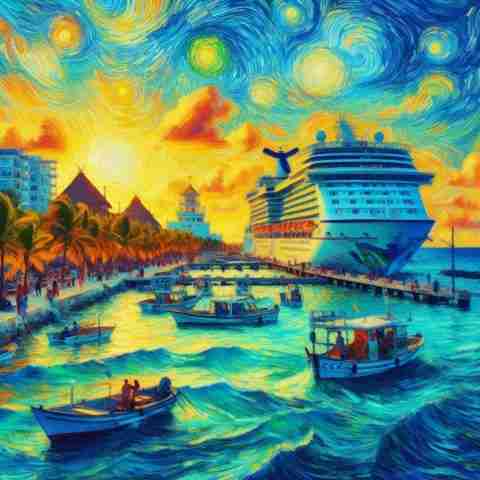
Let’s not forget about the strategic location of Cozumel as it sits adjacent to major shipping routes. This advantageous spot has made it a bustling port, where cruise ships frequently dock. Not only does this contribute to the local economy through increased tourism, but it also positions Cozumel as a logistical hub for transportation and maritime trade. This access to global markets allows local businesses to thrive and bring in products from afar, enriching the economy even further.
Yet, it’s important to acknowledge the challenges posed by Cozumel’s geography as well. Vulnerability to hurricanes and rising sea levels can disrupt economic activity, leaving the island in a tough spot. Balancing preservation with prosperity is the name of the game here.
In a nutshell, Cozumel’s geography is much more than meets the eye. It’s a complex interplay of natural beauty, resource availability, and strategic location that drives its economy—a true testament to how the land can shape livelihoods.
How Does Cozumel Mexico’s Geography Affect Its Economy?
How Does Cozumel Mexico’s Geography Affect Its Economy?
- Cozumel is located off the eastern coast of Mexico’s Yucatán Peninsula, featuring lush landscapes and coral reefs.
- Crystal-clear waters are crucial for local economies, boosting tourism and fishing industries.
- The tourism sector is the cornerstone of Cozumel’s economy, providing significant employment and business opportunities.
- The island’s interior has dense jungles and limestone formations, supporting sustainable agriculture and diverse crops.
- Cozumel’s strategic location near major shipping routes enhances its role as a busy port and maritime trade hub.
- Challenges include vulnerability to hurricanes and rising sea levels, affecting economic stability.
- The interplay of natural beauty, resources, and strategic positioning showcases how geography shapes Cozumel’s economy.

How Does Cozumel Mexico’s Geography Affect Its Economy?
Table Of Contents
- How Does Cozumel Mexico’s Geography Affect Its Economy?
- How Does the Geography Affect Tourism In Cozumel, Mexico?
- How Does the Geography Affect Manufacturing In Cozumel, Mexico?
- How Does the Geography Affect Retail In Cozumel, Mexico?
- How Does The Geography Affect Food & Beverage In Cozumel, Mexico?
- What Are The Key Geographical Features Of Cozumel?
- How Does Location Influence Tourism In Cozumel?
- What Transportation Options Are Influenced By Geography In Cozumel?
- Conclusion
- Other Resources
- Glossary Of Terms
- Other Questions
- Haiku
- Poem
- Checklist
How Does the Geography Affect Tourism In Cozumel, Mexico?
When it comes to understanding tourism in Cozumel, Mexico, the geography of the island plays a crucial role. Nestled in the Caribbean Sea, Cozumel is blessed with striking coastlines, abundant marine life, and lush inland landscapes, all of which create a robust backdrop for visitors seeking both relaxation and adventure.
The geography of Cozumel is characterized by a combination of flat coastal areas and higher elevations toward the center of the island. This unique topography offers stunning views from various vantage points, allowing tourists to appreciate the dramatic contrasts between the azure waters and the verdant surroundings. The island’s geographic position, just off the eastern coast of Mexico’s Yucatán Peninsula, also positions it as a favorable stop for cruise ships sailing through the Caribbean, making it an accessible haven for travelers from all over.
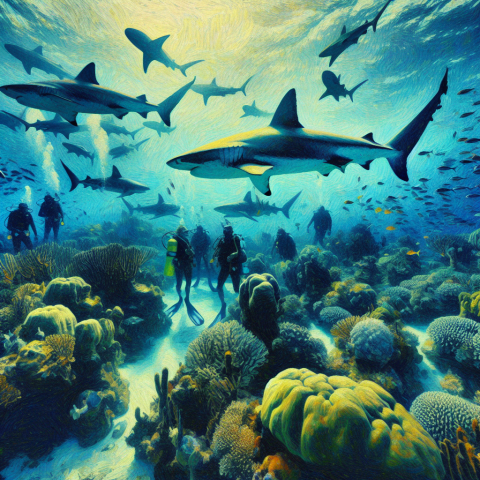
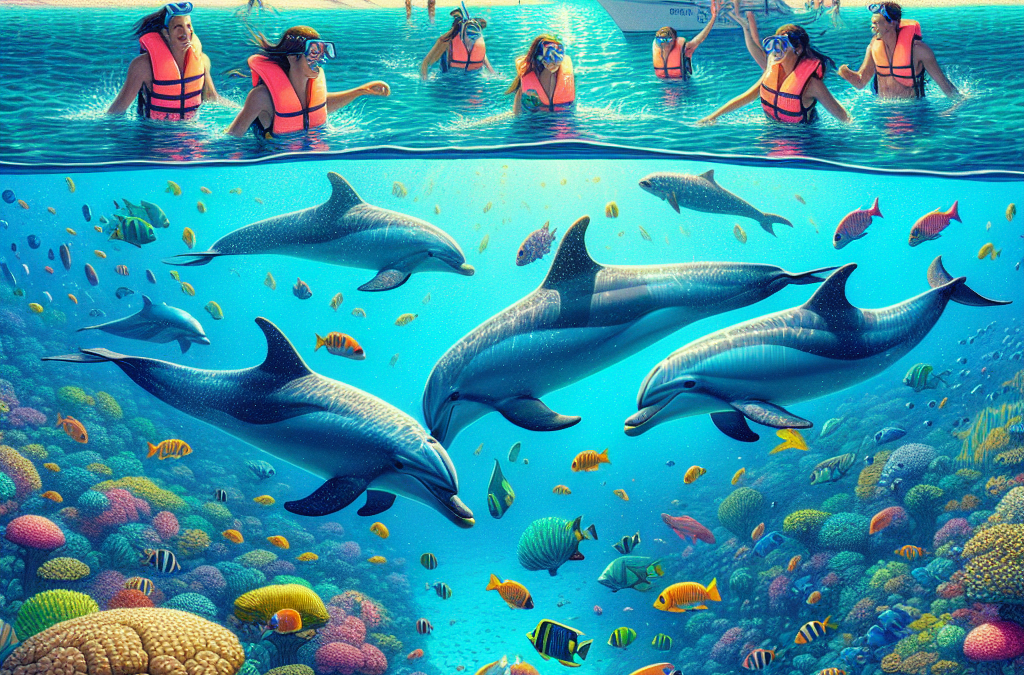
The crystal-clear waters that fringe Cozumel’s shores are more than just a pretty sight; they provide an underwater wonderland teeming with marine biodiversity, which plays a significant role in attracting tourists. Scuba divers and snorkelers flock to the island to explore its vibrant coral reefs, renowned among the top dive sites in the world. Thanks to the clarity of the water and the variety of marine life, including colorful fish, sea turtles, and stunning coral formations, the island’s geography creates ideal conditions for water sports and ecotourism.
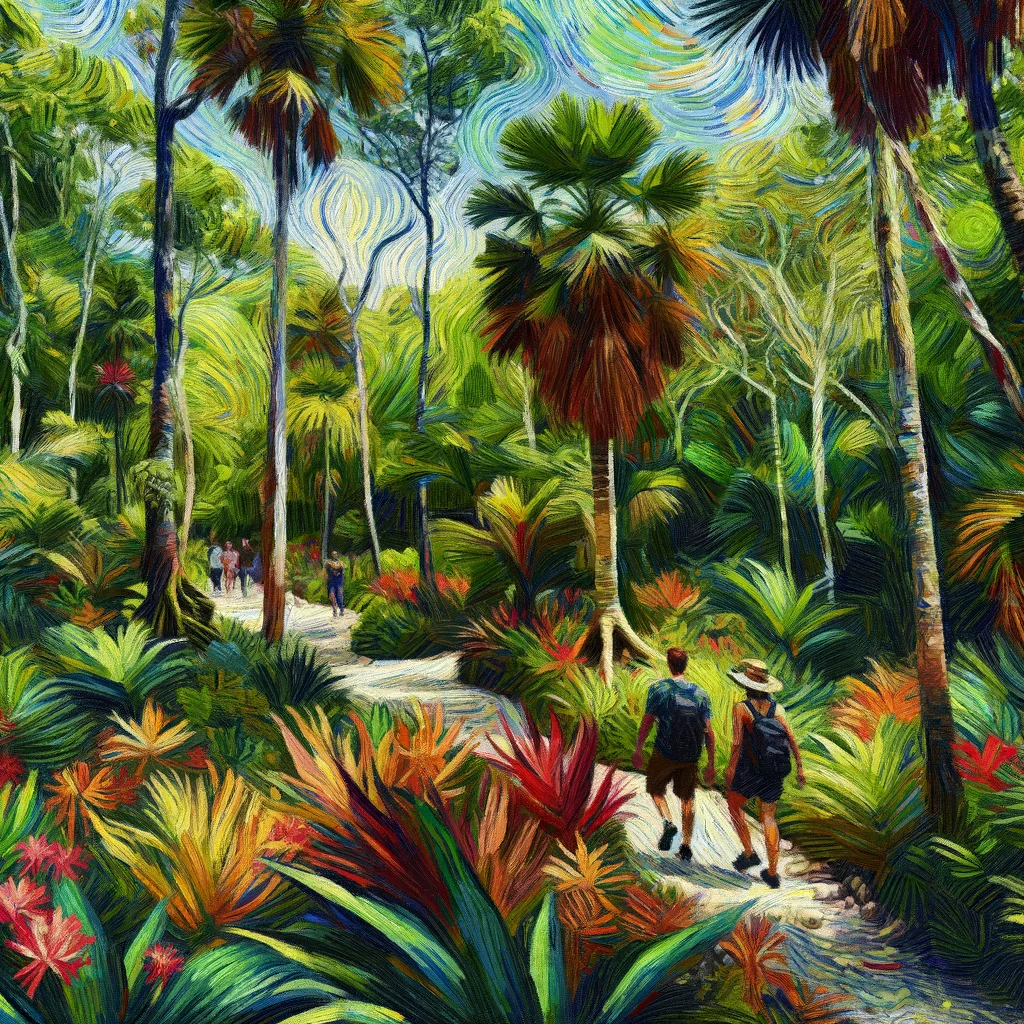
Cozumel’s geography also presents opportunities for eco-adventures beyond the beach. The island is home to several nature reserves, where visitors can hike through tropical vegetation, observe native wildlife, and navigate winding paths that lead to breathtaking vistas. The topographical variations allow for a robust network of eco-friendly excursions, promoting sustainable tourism while highlighting the beauty of the natural landscape.
Furthermore, the geography of Cozumel enhances its cultural appeal. The island’s remnants of ancient Mayan civilization, nestled within the jungle and along the coast, invite tourists to delve into its rich history. These archaeological sites, combined with the vibrant local culture, create a harmonious blend of adventure and learning.
Ultimately, the unique geography of Cozumel not only dictates the types of activities available but also enhances the overall experience for visitors. From the majestic beaches to the bustling coral reefs and lush interior landscapes, every facet of Cozumel’s geography plays a significant part in making it a top-tier tourist destination for those looking to soak up sun, explore nature, and connect with the rich cultural tapestry of Mexico.
How Does the Geography Affect Tourism In Cozumel, Mexico?
How Does the Geography Affect Tourism In Cozumel, Mexico?
- Cozumel’s geography is key to its tourism appeal, featuring stunning coastlines, marine life, and lush landscapes.
- The island has a mix of flat coastal areas and higher central elevations, providing breathtaking views.
- Strategically located off the Yucatán Peninsula, Cozumel is a popular port for Caribbean cruise ships.
- Crystal-clear waters showcase vibrant coral reefs, attracting scuba divers and snorkelers from around the world.
- Nature reserves offer opportunities for eco-adventures, including hiking and wildlife observation.
- Ancient Mayan archaeological sites and local culture enhance the island’s historical and cultural tourism.
- The unique geography enriches visitors’ experiences, combining relaxation, adventure, and cultural exploration.
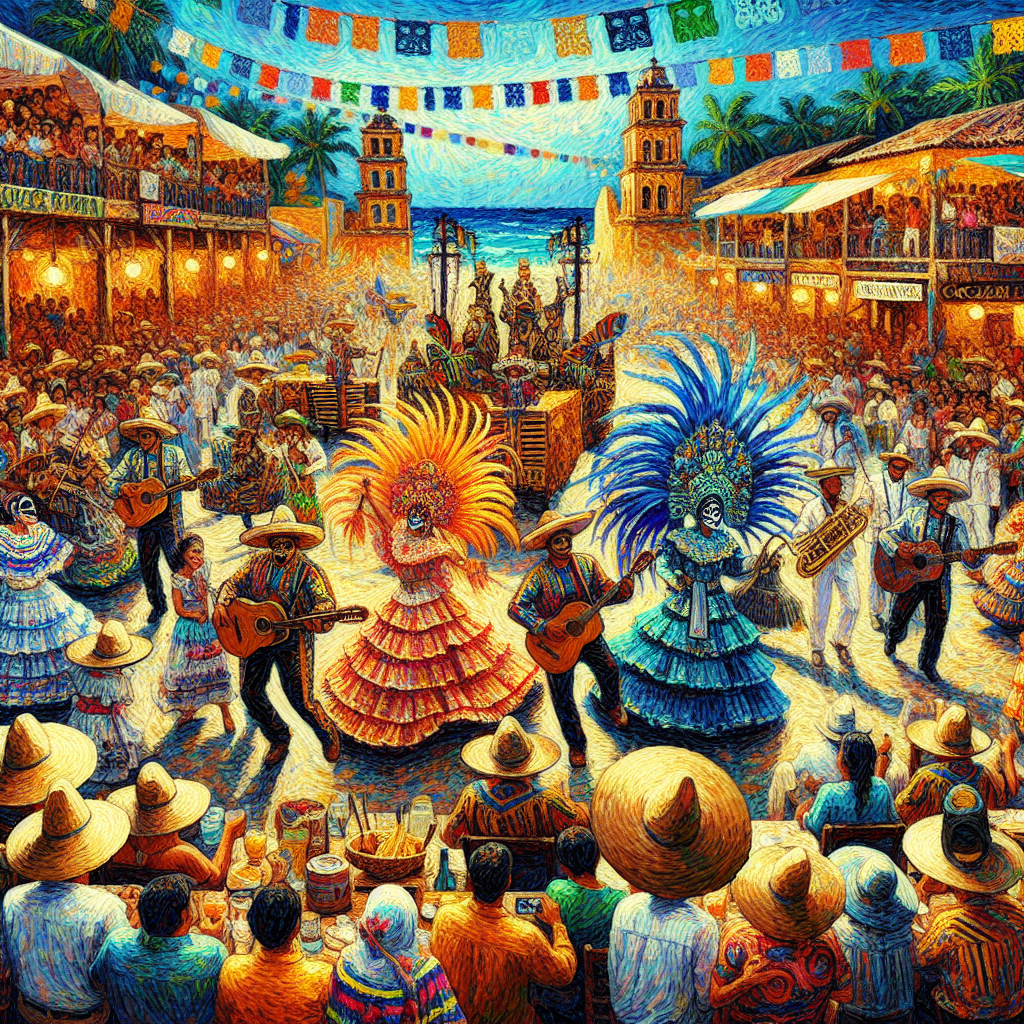
How Does the Geography Affect Tourism In Cozumel, Mexico?
How Does the Geography Affect Manufacturing In Cozumel, Mexico?
Cozumel, a sun-kissed island off the eastern coast of Mexico’s Yucatan Peninsula, is known for its pristine beaches, crystal-clear waters, and vibrant marine life. But let’s take a moment to peel back the layers and examine how the unique geography of Cozumel affects its manufacturing sector. You might not instinctively associate an island paradise with factories and production lines, but geography can play a pivotal role in shaping economic activities.
Firstly, Cozumel’s geography is defined by its location in the Caribbean Sea, surrounded by water that connects to larger shipping routes. This proximity facilitates the import of raw materials and export of finished products. Manufacturers can leverage this island’s accessibility to move goods more efficiently than you might think. However, being an island also presents challenges—transportation costs can skyrocket when moving products to and from the mainland. The reliance on ferries and cargo ships introduces a layer of logistical complexity that could drive some manufacturers to rethink their strategies.
Secondly, the island’s terrain—a mix of flat land and limestone formations—affects what can be easily built and where. There aren’t endless expanses of flat land like you’d find in some continental areas, which limits the scale of manufacturing operations. Many facilities are smaller and often tailored to specific tasks, such as producing handcrafted goods or niche products that can benefit from local craftsmanship. This introduces a level of uniqueness to Cozumel’s manufacturing landscape, distinguishing it from larger, more industrialized regions.
Moreover, the climate plays a role as well. With a tropical climate, Cozumel experiences warm temperatures and seasonal storms. This can affect operations, especially those relying on outdoor processes or delicate materials influenced by humidity. On the other hand, the warm weather can make Cozumel an attractive place for businesses focused on tourism-related manufacturing, like souvenir production and artisanal crafts, tapping into the steady flow of visitors who want a piece of the island to take home.
Finally, let’s not overlook the local workforce. The geography of Cozumel, with its tight-knit community and the influx of tourism, fosters a unique blend of skills. Many residents are well-versed in hospitality and customer service, which can be invaluable for businesses aiming to create artisan goods that appeal to tourists. This local touch can elevate products and make them more desirable.
While Cozumel may not be the first location that springs to mind when discussing manufacturing, its geography plays a critical role in shaping what, how, and why things are made on this enchanting island.
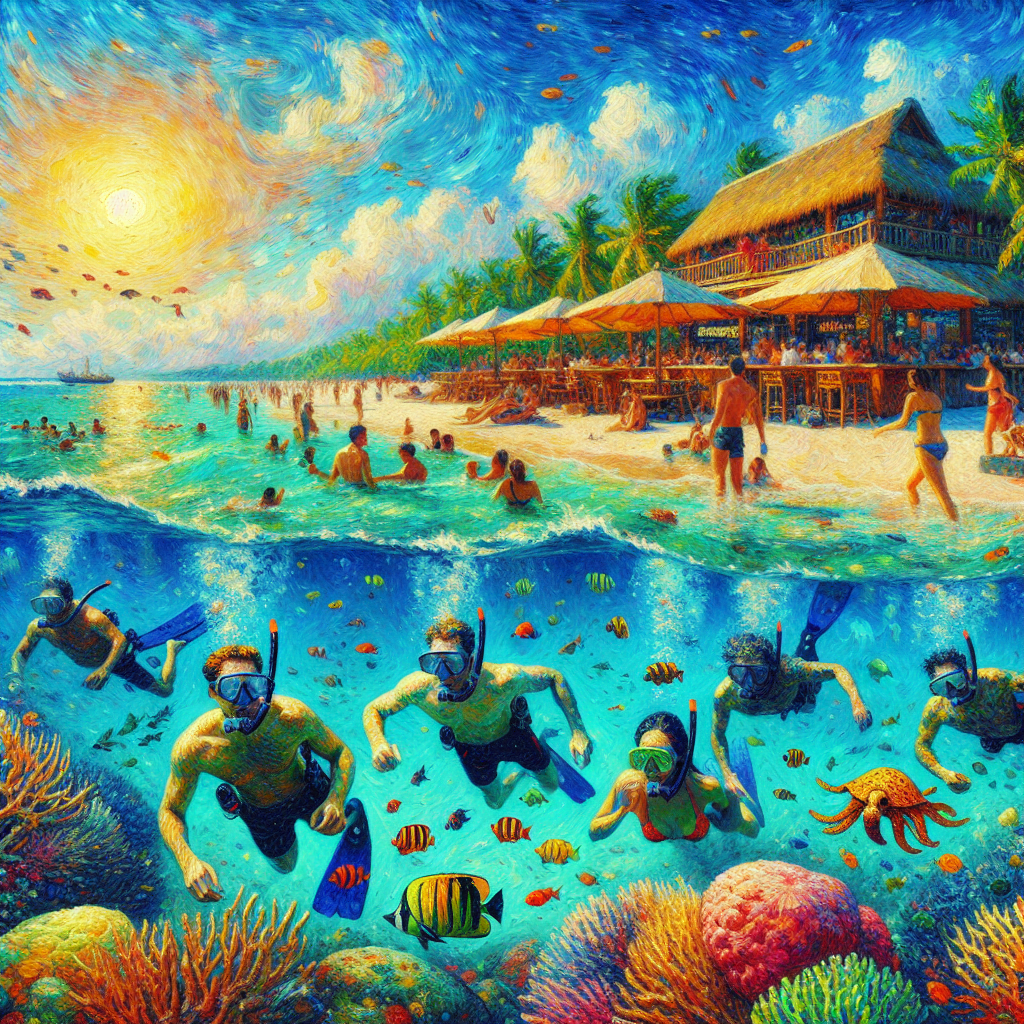
How Does the Geography Affect Manufacturing In Cozumel, Mexico?
How Does the Geography Affect Manufacturing In Cozumel, Mexico?
- Cozumel is a sun-kissed island in the Caribbean, known for its beaches and marine life.
- The island’s geography facilitates efficient import and export of goods due to its location near larger shipping routes.
- Transportation costs can be high, as reliance on ferries and cargo ships adds logistical complexity.
- The terrain, characterized by flat land and limestone formations, limits manufacturing scale and encourages smaller operations.
- Cozumel’s tropical climate influences manufacturing, affecting operations and making it ideal for tourism-related products.
- The local workforce offers unique skills in hospitality and craftsmanship, enhancing the desirability of artisan goods.
- Cozumel’s geography significantly shapes its manufacturing landscape, creating a unique economic environment on the island.

How Does the Geography Affect Manufacturing In Cozumel, Mexico?
How Does the Geography Affect Retail In Cozumel, Mexico?
When you think of retail, you might envision gleaming storefronts flanking bustling city streets or quaint boutiques nestled in picturesque small towns. But in Cozumel, Mexico, it’s a whole different ballgame, thanks largely to the island’s geography. Situated just off the Yucatán Peninsula, Cozumel is surrounded by the stunning Caribbean Sea, offering both a picturesque setting and unique challenges for the retail landscape.
The geography of Cozumel plays a decisive role in the types of retail establishments that thrive here. For starters, the island’s limited land mass means space is precious. Retailers must be strategic about their locations, often choosing high-traffic areas that cater to cruise ship passengers and tourists eager to spend their hard-earned money. With the influx of visitors, you’ll find a vibrant mix of gift shops, local artisan markets, and beachwear boutiques along the main avenues. The first rule of retail here? Location, location, location.
Additionally, the coastline is dotted with some of the most beautiful beaches in the world, attracting vacationers year-round. This natural allure creates a bustling market for beach-related products, such as snorkeling gear, sunblock, and souvenirs. Retailers capitalize on the laid-back island vibe, offering items that not only serve a purpose but also enhance the visitor’s experience. You can’t escape the allure of a cold drink or a playful beach towel when you’re soaking up the sun!
However, factors like size and accessibility also affect how retailers operate. The island’s compact nature means that everyone is relatively close to retail hubs, which fosters a communal shopping experience. Residents and tourists alike can easily stroll to their favorite shops without the need for extensive travel. This convenience also encourages spontaneous purchases—who could resist picking up a piece of handcrafted jewelry or an enticing local snack on their evening walk?
The geography of Cozumel is not just a backdrop; it actively shapes what thrives and what flounders in the retail sector. From the challenges of limited space to the opportunities presented by an endless stream of visitors, understanding Cozumel’s geographical influence is key to appreciating its vibrant retail scene. So, if you find yourself wandering through this tropical paradise, take a moment to notice how the landscape influences what’s on offer—because in Cozumel, it’s all connected.
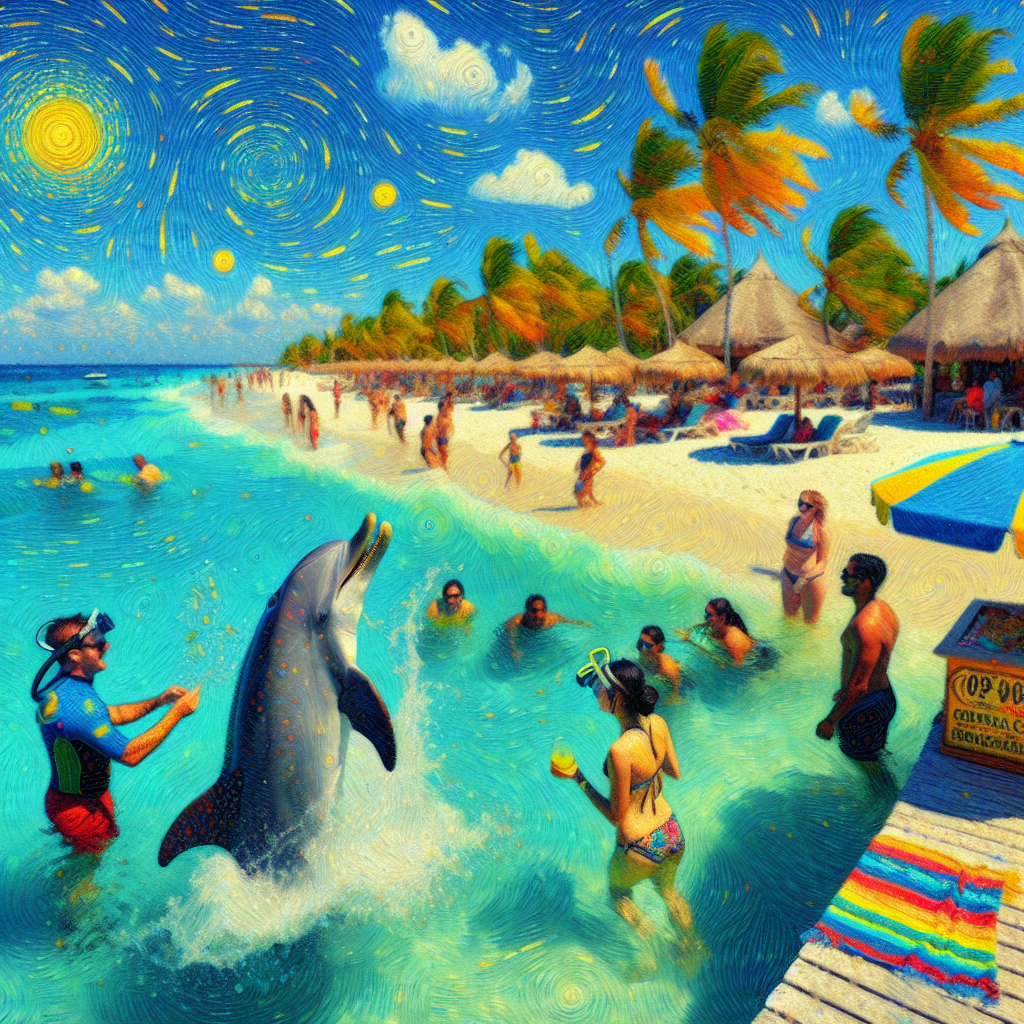
How Does the Geography Affect Retail In Cozumel, Mexico?
How Does the Geography Affect Retail In Cozumel, Mexico?
- Cozumel’s geography significantly impacts its retail landscape.
- The island’s limited land promotes strategic retail locations, often near tourist hotspots.
- A mix of gift shops, artisan markets, and boutiques cater primarily to cruise ship passengers.
- The beautiful beaches attract year-round vacationers, increasing demand for beach-related products.
- Retailers enhance the visitor experience by offering items that align with the laid-back island vibe.
- Cozumel’s compact nature fosters a communal shopping experience for both residents and tourists.
- Understanding the geography is essential for appreciating the retail dynamics in Cozumel.

How Does the Geography Affect Retail In Cozumel, Mexico?
How Does The Geography Affect Food & Beverage In Cozumel, Mexico?
Cozumel, with its stunning vistas and warm Caribbean waters, isn’t just a pretty face. It’s a geographical tapestry that weaves together a rich culinary narrative, shaped by its unique landscape. The island’s geography is characterized by its flat terrain and limestone base, which combine to create a sun-soaked ecosystem thriving with opportunities for local farmers and fishermen alike. This means that the food and beverages enjoyed here aren’t just products of tradition—they are direct reflections of the land and sea.
With a coastline kissed by the turquoise Caribbean, fishing becomes not just a livelihood but a way of life. Skipjack tuna, snapper, and grouper aren’t just fish; they’re the foundation of countless meals. And let’s not forget about the local lobster, often grilled simply, allowing the natural flavors to shine. Whether served in a cozy beach shack or an upscale restaurant, the freshness of the catch speaks to the bountiful waters surrounding the island.
As you venture inland, the geography takes a different turn. The limestone formations create fertile soil pockets, ideal for cultivating tropical fruits and vegetables. Imagine biting into a slice of juicy papaya or sipping on a cold glass of fresh limeade—these aren’t just refreshments; they’re experiences rooted deep in the island’s agricultural habit. Local farms, often small-scale and family-run, produce everything from avocados to chilies, contributing not just ingredients but the essence of Cozumel’s culinary identity.
Additionally, the island’s placement within the Caribbean influences more than just the flavors on the plate. It exposes locals to the rich tapestry of regional cuisines, from the spicy dishes of the Yucatán Peninsula to the sweet-savory balance of Caribbean fare. Street food vendors serve up an array of tacos and tamales, each dish a delightful nod to the geography that molds these traditions—transporting flavors from the land directly to the hungry traveler.
But it’s not just the land and waters that define the food and drink. The warmth of the Caribbean climate fosters a culture that embraces openness and hospitality. That’s why the bustling beach bars and local eateries often serve up signature cocktails like the ever-popular margarita, blending locally distilled spirits with fresh limes—reflecting not just geography, but the spirit of Cozumel itself.
In summary, the geography of Cozumel acts as a vital ingredient in its food and beverage scene. From ocean to farm, the island’s landscape shapes every dish and drink, making each culinary experience a celebration of place.
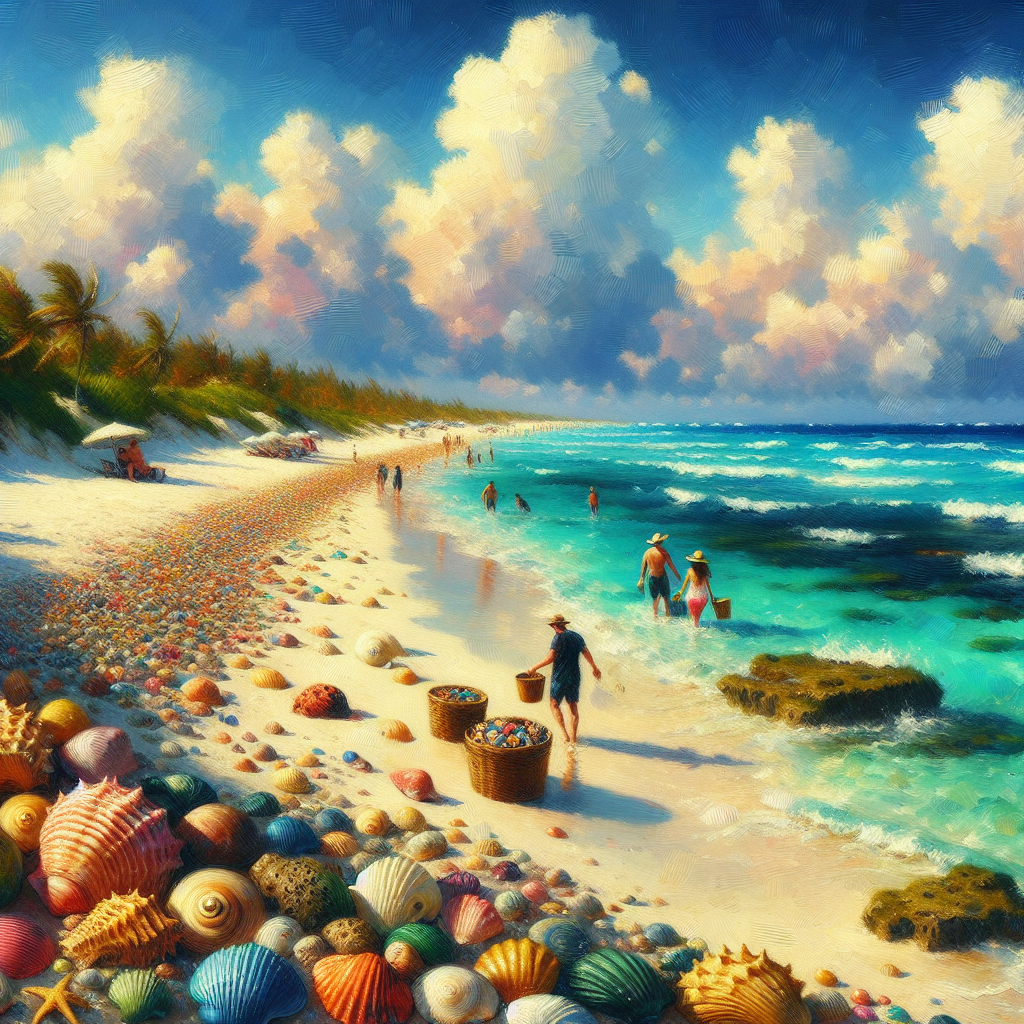
How Does The Geography Affect Food & Beverage In Cozumel, Mexico?
How Does The Geography Affect Food & Beverage In Cozumel, Mexico?
- Cozumel features stunning vistas and warm Caribbean waters, creating a unique geographical landscape.
- The island’s flat terrain and limestone base support a thriving ecosystem for local farmers and fishermen.
- Fresh seafood, including skipjack tuna, snapper, grouper, and local lobster, forms the foundation of the culinary scene.
- Limestone formations contribute to fertile soil for growing tropical fruits and vegetables, enhancing local cuisine.
- Cozumel’s Caribbean location exposes locals to diverse regional cuisines and street food traditions.
- The warm climate fosters a culture of hospitality, exemplified by popular local cocktails like margaritas.
- The geography of Cozumel is integral to its food and drink, making each culinary experience a celebration of the island’s identity.
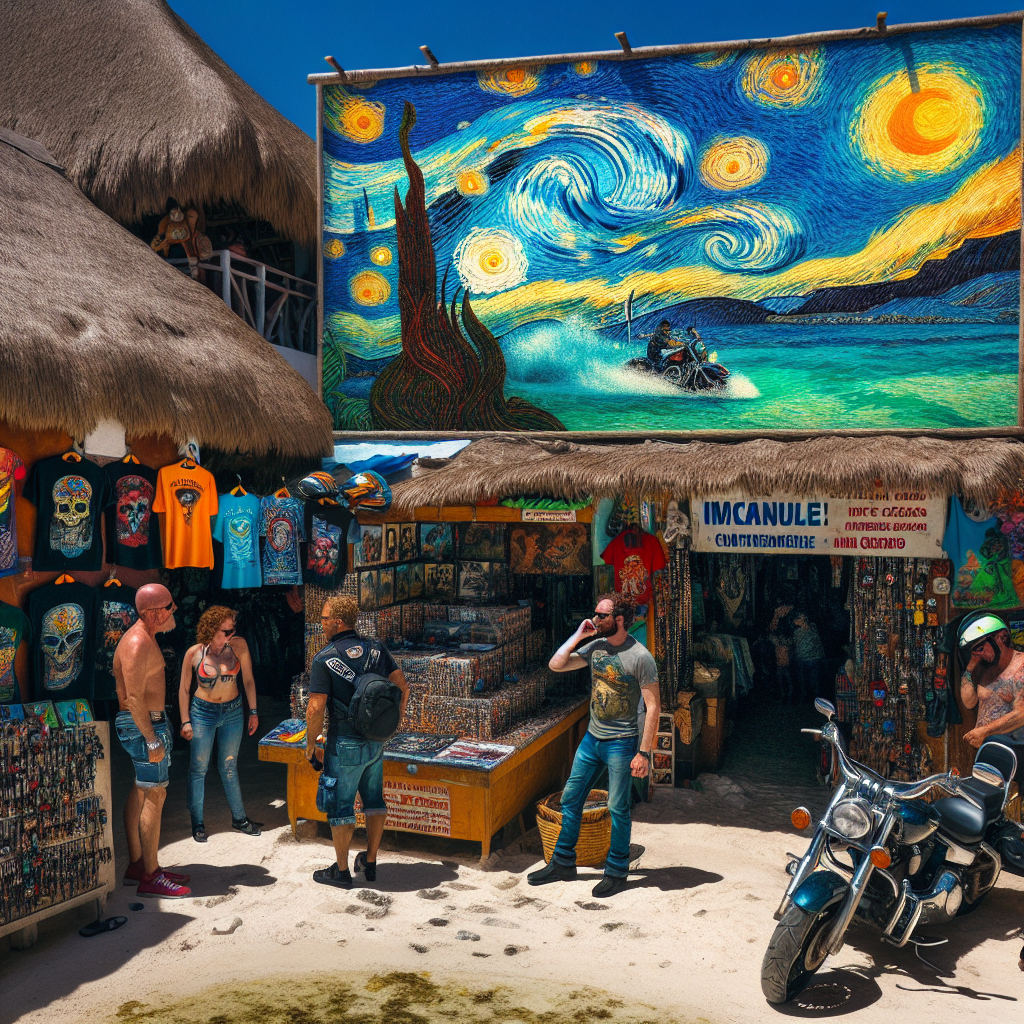
How Does The Geography Affect Food & Beverage In Cozumel, Mexico?
What Are The Key Geographical Features Of Cozumel?
Nestled in the sparkling waters of the Caribbean Sea, Cozumel is a gem that showcases a myriad of geographical features, each more captivating than the last. This island, part of the Mexican state of Quintana Roo, boasts a unique landscape that not only defines its beauty but also dictates the way of life for both locals and visitors.
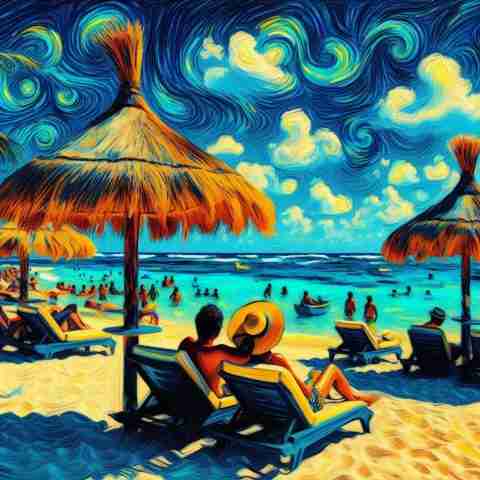
First off, let’s talk about size. Cozumel covers about 478 square kilometers, making it the largest inhabited island in Mexico. Picture this: an island that’s just 20 kilometers long and 16 kilometers wide at its broadest point. It might not be a sprawling land mass, but what it lacks in size, it more than makes up for with rich biodiversity and vibrant ecosystems. Along the coastline, you’ll encounter stunning beaches with powdery white sand, which is perfect for sunbathing or just lounging around with a cold drink in hand.
One of the first things you notice when you step onto the island is the impressive coral reefs that encircle Cozumel. These underwater formations attract snorkelers and divers from all over the world, eager to explore the colorful marine life beneath the waves. The Mesoamerican Barrier Reef, the second-largest reef system in the world, hugs the coast and provides a stunning backdrop for both underwater adventures and spectacular views from the surface.
The island’s interior, meanwhile, tells a different story. Cozumel geography is marked by low limestone hills, dense tropical forests, and a variety of cenotes—natural sinkholes filled with fresh water. These cenotes are remnants of an ancient underwater river system and serve as natural swimming holes that are truly one of a kind. In addition, the island is dotted with small, pristine lagoons and mangroves that play a critical role in supporting local wildlife, offering a serene contrast to the bustling tourist spots.
As you explore Cozumel, you might come across ancient Mayan ruins that speak to the island’s rich history. These sites blend harmoniously with the natural beauty, showcasing how geography has shaped both the land and its cultural heritage.
With its combination of stunning beaches, vibrant reefs, and lush inland areas, Cozumel stands out as a destination that revels in the diverse wonders of its geography. Whether you’re seeking relaxation or adventure, this island certainly has something to offer, and its key geographical features will leave you in awe at every turn.

What Are The Key Geographical Features Of Cozumel?
What Are The Key Geographical Features Of Cozumel?
- Cozumel, located in the Caribbean Sea, is part of Quintana Roo, Mexico.
- The island covers approximately 478 square kilometers, making it the largest inhabited island in Mexico.
- Cozumel features stunning beaches with powdery white sand, ideal for leisure activities.
- Impressive coral reefs, including the Mesoamerican Barrier Reef, attract snorkelers and divers globally.
- The island’s interior consists of low limestone hills, tropical forests, cenotes, and lagoons supporting local wildlife.
- Ancient Mayan ruins on the island reflect Cozumel’s rich history and cultural heritage.
- With diverse geography, Cozumel offers a blend of relaxation and adventure for visitors.

What Are The Key Geographical Features Of Cozumel?
How Does Location Influence Tourism In Cozumel?
Cozumel, a jewel in the Caribbean, is not just another pretty island. Its geography plays a pivotal role in shaping the tourism experience, an intricate dance between land, sea, and the humans drawn to its shores. Nestled off the eastern coast of Mexico’s Yucatan Peninsula, the island’s unique positioning makes it a prime destination for travelers seeking both adventure and relaxation.
First off, let’s talk about that coastline. Cozumel’s geography features a rugged shoreline interspersed with beautiful white sandy beaches. This natural layout creates perfect spots for visitors to dip their toes in the Caribbean waves, while simultaneously providing sheltered coves for snorkeling, diving, and other water sports that attract adventurers from around the globe. The crystal-clear waters teem with life, and many tourists come for the chance to encounter vibrant coral reefs and exotic marine species. It’s like stepping into a living aquarium, and you can bet that word gets around.
But Cozumel isn’t just a playground for beach bums and water lovers; its interior is woven with lush jungles and a complex web of ancient Mayan history. This geography not only invites exploration but screams, “Come discover me!” Visitors can hike through areas where Mayan ruins peek through the foliage, creating a different kind of tourism experience that goes beyond sun and surf. The island’s landform encourages eco-tourism, giving nature lovers a chance to connect with the ecosystem and learn about conservation efforts, thus enriching their trip with cultural and environmental awareness.
Moreover, Cozumel’s location makes it an accessible paradise. With its proximity to major cruise lines and an international airport, tourists can hop on a ship or plane and find themselves in this tropical haven in no time flat. This accessibility fuels not only beachgoers but also those who want to immerse themselves in local culture—culinary tours, artisanal markets, and traditional music festivals attract a diverse crowd eager for authenticity amid the beautiful scenery.
In a nutshell, Cozumel’s geography is more than just landscapes; it’s the backbone of a thriving tourism industry that offers diverse experiences, from relaxation on sun-kissed beaches to exhilarating underwater explorations and fascinating cultural encounters. The island beckons with its multifaceted appeal, making it a must-visit for those yearning to escape to paradise.

How Does Location Influence Tourism In Cozumel?
How Does Location Influence Tourism In Cozumel?
- Cozumel is a unique Caribbean island located off the eastern coast of Mexico’s Yucatan Peninsula.
- The island features a rugged coastline with beautiful white sandy beaches, ideal for both relaxation and adventure.
- Visitors can enjoy various water sports such as snorkeling and diving in crystal-clear waters rich with marine life.
- Cozumel’s interior is characterized by lush jungles and ancient Mayan history, inviting exploration beyond the beach.
- The geography encourages eco-tourism, promoting conservation and cultural awareness among visitors.
- Cozumel is easily accessible via major cruise lines and an international airport, drawing a diverse crowd seeking authentic experiences.
- The island offers a mix of relaxation, adventure, and cultural encounters, making it a must-visit destination for travelers.
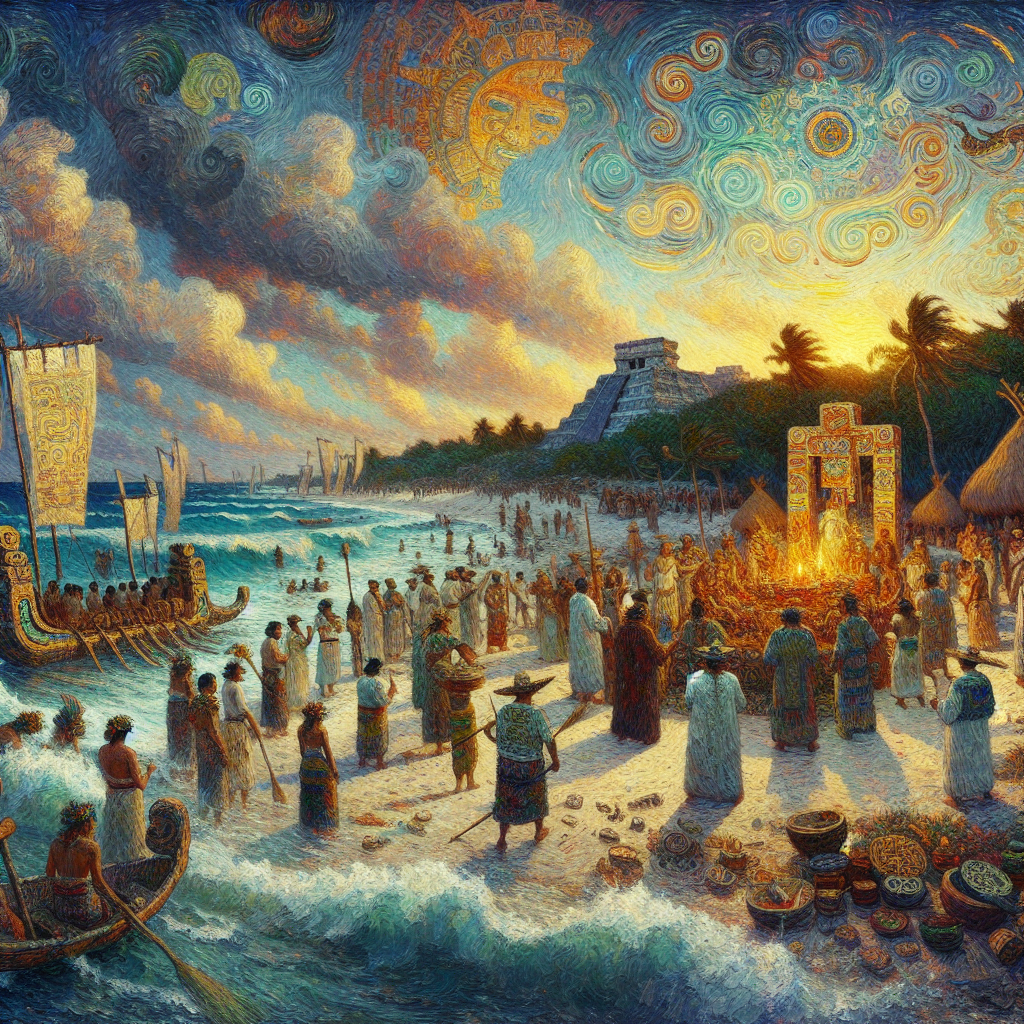
How Does Location Influence Tourism In Cozumel?
What Transportation Options Are Influenced By Geography In Cozumel?
Cozumel, a picturesque island off the eastern coast of Mexico’s Yucatán Peninsula, is not just known for its stunning beaches and vibrant coral reefs; it’s a place where geography dictates much of how we get around. The island’s unique shape, nestled close to the mainland and surrounded by the Caribbean Sea, plays a significant role in the transportation options available to locals and tourists alike.
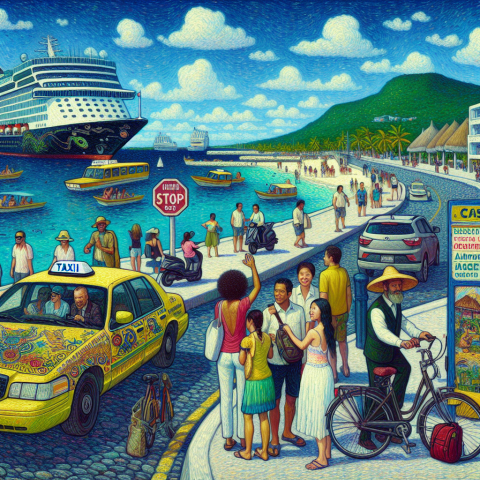
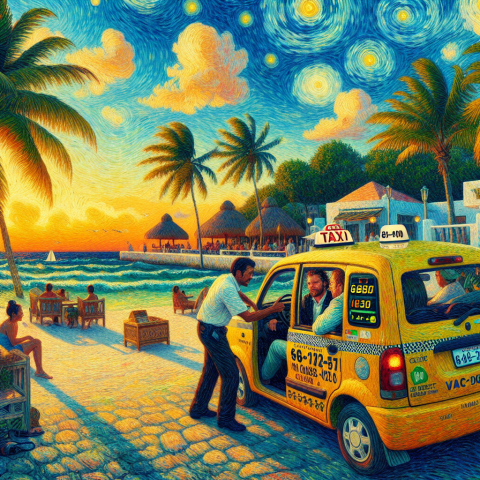
Let’s start with what you would expect – taxis. On Cozumel, the geography of the island limits the effective use of conventional public transit systems. With a relatively small land area of about 30 square miles and a population that swells with tourists, taxis have become the go-to option. They’re everywhere, waiting to whisk you away from the cruise port to your preferred beach or restaurant. The lack of extensive road infrastructure and the island’s winding routes mean you often need a local driver who knows the lay of the land, especially when navigating the more rugged areas.
Now let’s talk about bicycles. Cozumel’s geography favors two wheels over four, especially with the prevailing winds that can be quite the adversary for anyone trying to drive around. The flat terrain makes cycling not just an option but an inviting experience to explore the island. Bike rental shops are abundant, and there’s nothing quite like pedaling along the beautiful coastline, with a salty breeze cooling you off.
For those looking for a bit of adventure, how about mopeds? Like bicycles, mopeds can zip through corners that conventional vehicles might struggle with, allowing visitors to explore quiet beaches and hidden spots off the beaten path. However, these two-wheeled wonders demand a certain level of confidence, especially given the islands’ sometimes unpredictable weather.
And let’s not forget the ferries! Geography has a knack for connecting us, especially here. These boats run frequently between Cozumel and Playa del Carmen on the mainland. They offer both a practical transportation solution and a chance for adventure across the waves. The ride itself can be a thrilling experience, with the sensation of wind and waves as you traverse the turquoise waters.
CCozumel’s geography intricately weaves itself into the fabric of transportation options available. Whether it’s hopping in a taxi, cycling down coastal paths, or catching a ferry to the mainland, getting around this beautiful island is influenced in myriad ways by the land and sea that frame it. Explorers of this gem will find that the journey is, in many ways, just as enriching as the destinations themselves.
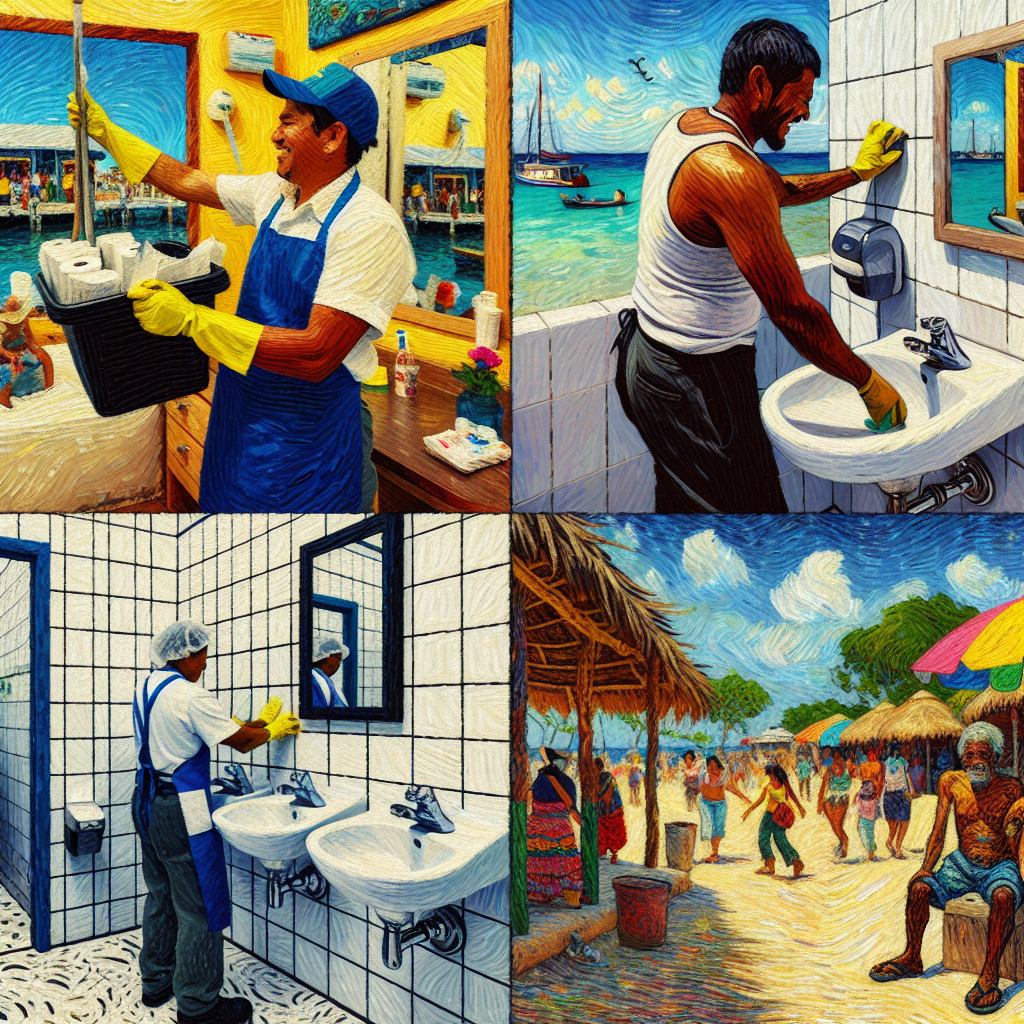
What Transportation Options Are Influenced By Geography In Cozumel?
What Transportation Options Are Influenced By Geography In Cozumel?
- Cozumel is a picturesque island off the eastern coast of Mexico’s Yucatán Peninsula.
- The island’s unique geography influences transportation options for locals and tourists.
- Taxis are the primary mode of transport due to limited public transit and compact land area.
- Bicycles are popular for exploring the island’s flat terrain and beautiful coastline.
- Mopeds offer an adventurous way to navigate lesser-known areas, though they require confidence to ride.
- Ferries connect Cozumel to Playa del Carmen on the mainland, providing practical transportation and scenic experiences.
- Cozumel’s geography enriches the journey and travel experiences for visitors exploring the island.

What Transportation Options Are Influenced By Geography In Cozumel?
Conclusion
As we wrap up our exploration of Cozumel’s geography and its impact on local economics, it’s clear that this Caribbean marvel is more than just a tropical paradise; it’s a complex ecosystem where land and sea intertwine to spur livelihoods. You see, Cozumel’s geography is like the ultimate team player, one that enthusiastically contributes to every facet of the local economy—from tourism to manufacturing, retail to agriculture.
Nestled off Mexico’s Yucatán Peninsula, Cozumel’s stunning shoreline is a true magnet for tourists, drawing in those eager to plunge into its crystal-clear waters or lounge on its soft, sandy beaches. The rich marine life and vibrant coral reefs don’t just provide visual splendor; they create a diving and snorkeling haven that keeps tourists flocking to the island in droves. And let me tell you, those tourists don’t just bring their beach towels—they come bearing cash, pumping life into the local economy and creating countless jobs along the way.
But it isn’t just about sun and surf. Cozumel’s lush jungles, limestone formations, and fertile land give rise to sustainable agriculture, allowing locals to cultivate exceptional tropical fruits and artisanal products. Each plate filled with local fare tells a tale of the land itself—of farming practices deeply ingrained in the island’s history.
Of course, geography also has a saying in the way goods are produced and sold here. The strategic location of Cozumel as a buzzing port makes it an ideal logistical hub, facilitating trade and keeping resources flowing. Yet, let’s not sugarcoat it—the geography can be as formidable as it is captivating. Vulnerabilities to hurricanes and rising sea levels loom large, reminding us all that balancing progress with preservation isn’t merely an option; it’s essential.
And as you navigate Cozumel, whether by taxi, bike, or on foot, you can feel the island’s unique spirit. The geography influences everything from the retail landscape, where shops cater to throngs of visitors, to the intimate community vibe that’s ever-present.
In essence, when you look at Cozumel through the lens of geography, you see a tale of interconnectedness. Each picturesque beach, ancient ruin, and bustling market speaks to the symbiotic relationship between the landscape and the lives it supports. So next time you find yourself on this enchanting island, remember: its beauty is only the beginning of a story rich with opportunity, resilience, and the unmistakable spirit of its people.
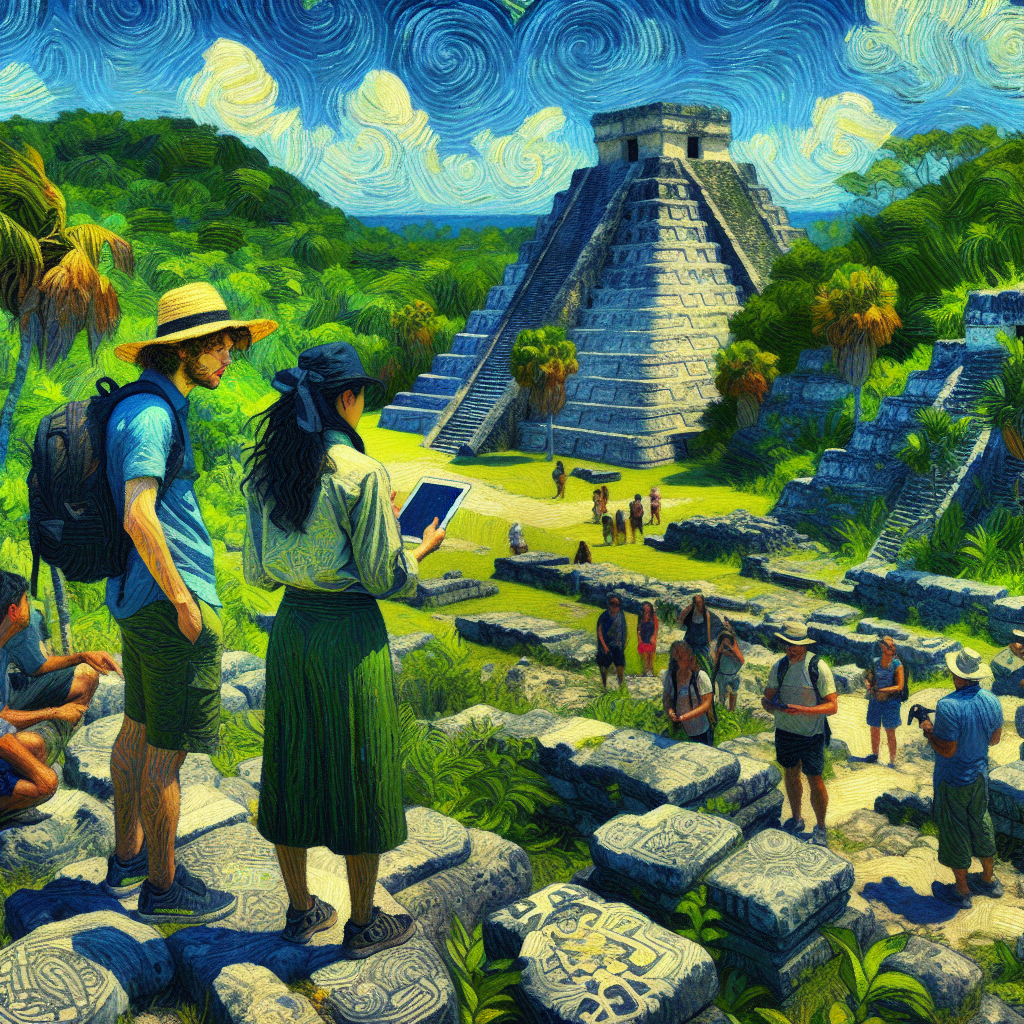
Conclusion
Conclusion:
- Cozumel’s geography significantly impacts its local economy, supporting various sectors including tourism, manufacturing, retail, and agriculture.
- The island’s stunning shoreline attracts tourists seeking to enjoy crystal-clear waters and sandy beaches, benefiting the local economy.
- Rich marine life and vibrant coral reefs make Cozumel a popular destination for diving and snorkeling, driving tourism revenue.
- Cozumel’s lush jungles and fertile land enable sustainable agriculture, with locals cultivating tropical fruits and artisanal products.
- The island’s strategic location as a port facilitates trade, crucial for resource distribution, while also presenting vulnerabilities to natural disasters.
- The geography shapes the retail landscape, catering primarily to visitors and reflecting a unique community vibe.
- Cozumel represents a tale of interconnectedness between its landscape and the lives it sustains, highlighting resilience and opportunity in its culture.

Conclusion
Other Resources

Other Resources
Most of the people who read this are also figuring out where to stay. A couple of places we run or know well, in case it’s useful: Cozumel Journey is an editorial guide to Cozumel — neighborhoods, planning tips, and life on the island for travelers who want context, not a cruise schedule.
Here is a list of other resources you can review online to learn more:
- Hooters Cozumel
- ScubaTony Cozumel
- GFNY Cozumel
- Cozumel 3 Reef Snorkel Tour
- La Cucina Italiana
- Cozumel Cruise Port
- Bahama Breeze
- Capitán Eduardo A. Toledo Airport
- Colores y Sabores Cozumel Restaurant
- Caleta Marina
- our editorial guide to the island
Use This Prompt To Get More Resources With Your Favorite Online AI Tool: Please provide me with a list of online articles with their URLs in a bulleted list that I can read regarding How Does Cozumel Mexico’s Geography Affect Its Economy?

Other Resources
Glossary Terms
How Does Cozumel Mexico’s Geography Affect Its Economy? – Glossary Of Terms
1. Geography: The study of the Earth’s physical features and the relationship between people and their environment.
2. Cozumel: An island in the Caribbean Sea off the eastern coast of Mexico’s Yucatán Peninsula, known for its natural beauty and tourist attractions.
3. Economy: The system of production, distribution, and consumption of goods and services in a particular area.
4. Tourism: The commercial organization and operation of vacations and visits to places of interest, a key economic driver for Cozumel.
5. Biodiversity: The variety of plant and animal life in a particular habitat, which contributes to Cozumel’s tourism appeal and ecotourism.
6. Coral Reefs: Underwater ecosystems formed by coral polyps; Cozumel is famous for its vibrant reefs, attracting divers and snorkelers.
7. Cruise Tourism: A segment of tourism focused on travel by cruise ships; Cozumel is a popular stop for many Caribbean cruises, boosting its local economy.
8. Marine Resources: Natural resources from the ocean, like fish and mollusks, which provide livelihoods for local fishers and contribute to food supplies.
9. Sustainable Development: Economic development that is conducted without depletion of natural resources; crucial in balancing tourism growth and environmental protection.
10. Infrastructure: The basic physical systems needed for the functioning of a community, including roads, transportation systems, and utilities; essential for supporting tourism.
11. Transportation Hub: A central point for transferring goods and passengers; Cozumel serves as a hub for ferry and air travel, impacting its economic activities.
12. Local Economy: The economic activities and financial health of the community in Cozumel, influenced by tourism, fishing, and local businesses.
13. Real Estate Development: The process of purchasing land to build infrastructure and homes; heavily influenced by tourism demand on Cozumel.
14. Cultural Heritage: The traditions, customs, and artifacts of a community, which can enhance tourism and attract visitors interested in local history.
15. Snorkeling: A recreational activity that allows people to explore underwater environments; an important tourism activity in Cozumel due to its reefs.
16. Diving: Underwater exploration or sport, which is a significant attraction in Cozumel due to its clear waters and diverse marine life.
17. Economic Diversification: The strategy of developing a variety of economic activities; essential for Cozumel to reduce reliance on tourism alone.
18. Agriculture: The practice of cultivating land for food production; while not predominant, local farming can support the island’s economy.
19. Local Businesses: Shops and services that cater to residents and tourists; their success is often tied to the overall health of the tourism sector.
20. Environmental Regulation: Policies aimed at protecting the environment; important for balancing economic development and conservation efforts.
21. Ecosystem Services: Benefits provided by ecosystems, such as clean water and recreation; critical for maintaining the natural appeal that draws tourists.
22. Ecotourism: A niche within tourism focusing on responsible travel to natural areas; Cozumel promotes ecotourism to protect its environment.
23. Marine Sanctuaries: Protected areas of the ocean established to conserve marine biodiversity; important for sustaining Cozumel’s marine resources.
24. Trade: The activity of buying, selling, or exchanging goods and services; Cozumel’s location makes it a valuable trading point in the Caribbean.
25. Import/Export: The process of bringing goods into (import) or sending goods out of (export) a country; influences local prices and availability of products in Cozumel.
26. Investment: The action of creating or acquiring assets for profit; crucial for infrastructure and tourism development in Cozumel.
27. Fishing Industry: A sector involving catching fish for food; important for the local economy and cultural practices in Cozumel.
28. Climate: The long-term weather patterns in a region; impacts tourism seasons and agricultural productivity in Cozumel.
29. Community Development: Efforts aimed at improving the economic and social well-being of a community; essential for enhancing the quality of life in Cozumel.
30. Resilience: The ability of the local economy to recover from adverse events or changes; important for Cozumel’s long-term economic sustainability given environmental challenges.

Glossary Of Terms
Other Questions
How Does Cozumel Mexico’s Geography Affect Its Economy? – Other Questions
If you wish to explore and discover more, consider looking for answers to these questions:
- What are the main industries in Cozumel’s economy?
- How does tourism in Cozumel compare to other tourist destinations in Mexico?
- What measures are being taken to protect Cozumel’s environment?
- How has Cozumel’s economy evolved over the years?
- What are the impacts of hurricanes on Cozumel’s economy and infrastructure?
- How does the local government support businesses in Cozumel?
- What role do cultural activities play in Cozumel’s economy?
- How do seasonal changes affect tourism and local businesses in Cozumel?
- What types of agricultural products are cultivated in Cozumel?
- How do local artisans contribute to the economy of Cozumel?
- What challenges do businesses face in Cozumel related to its geographic location?
- How does Cozumel’s infrastructure support its economic activities?
- What is the significance of Cozumel’s coral reefs to its economy?
- How does the presence of international cruise lines affect Cozumel’s economic landscape?
- What are the main environmental concerns related to tourism in Cozumel?

Other Questions
Haiku
How Does Cozumel Mexico’s Geography Affect Its Economy? – A Haiku
Cozumel’s embrace,
Beaches, reefs, and jungles thrive—
Nature weaves its trade.

Haiku
Poem
How Does Cozumel Mexico’s Geography Affect Its Economy? – A Poem
In the Caribbean’s tender embrace,
Cozumel shines, a captivating space,
Where turquoise waters kiss sandy shores,
Whispers of beauty echo, inviting explore.
A gem off Yucatán’s eastern face,
Where coral reefs flourish, a vibrant lace,
Diving beneath, in depths profound,
Life teems in colors that astound.
With lush jungles and limestone embrace,
Agriculture thrives in nature’s grace,
Tropical fruits and artisanal fare,
The island’s bounty, a taste to share.
A hub for trade, where ships do glide,
Local markets flourish at oceanside,
Yet storms may loom, as ocean winds rise,
Balancing dreams under stormy skies.
Nature’s treasure weaves retail’s song,
In bustling shops where tourists throng,
Crafts and souvenirs dazzle and delight,
With each purchase, memories take flight.
From fishing boats bobbing on sunny crests,
To local brews that quench all quests,
Each meal embodies land and sea’s embrace,
Flavors entwined in this sacred space.
Here ancient ruins rise from foliage deep,
A link to history that weaves and weeps,
Cultural hues blend with the salt-sprayed air,
In every plaza, traditions laid bare.
Transportation glides over waves so wide,
Taxis, bikes, and ferries provide the ride,
Connections forged, adventures await,
In Cozumel’s arms, we celebrate fate.
So here’s to Cozumel, where geography thrives,
In the dance of the land, the ocean devises,
An enchanting symphony of life and trade,
A testament to beauty, where dreams are made.

Poem
Checklist
How Does Cozumel Mexico’s Geography Affect Its Economy? – A Checklist
Tourism
_____ Explore Cozumel’s stunning coastlines and coral reefs for diving/snorkeling opportunities.
_____ Visit local nature reserves for eco-adventures and hiking.
_____ Engage in cultural experiences by visiting archaeological sites of the ancient Mayan civilization.
_____ Experience local food markets that highlight the island’s vibrant culinary scene.
Fishing and Marine Activities
_____ Participate in local fishing tours or sustainable fishing practices.
_____ Taste fresh seafood at local restaurants.
_____ Consider marine conservation activities or eco-tourism focused on marine life.
Agricultural Opportunities
_____ Try locally grown tropical fruits and artisanal products.
_____ Visit local farms to learn about sustainable agriculture practices.
_____ Purchase local produce to support the community and enhance culinary experiences.
Manufacturing and Retail Insights
_____ Explore local artisanal shops for unique handcrafted goods.
_____ Understand the impact of geography on product accessibility and transportation for local manufacturers.
_____ Discover local souvenir production that caters to tourists.
Transportation Options
_____ Utilize taxis for convenient transportation around the island.
_____ Rent bicycles for a direct and healthy way to explore Cozumel.
_____ Consider mopeds for a fun, adventurous travel option.
_____ Take ferries for travel between Cozumel and the mainland—experience scenic ocean views.
Environmental Awareness and Challenges
_____ Stay informed about the impacts of hurricanes and rising sea levels on the economy.
_____ Participate in local initiatives that promote sustainability and environmental protection.
_____ Be aware of how tourism can both support and strain local resources.
Cultural Exploration
_____ Attend local festivals or markets that reflect the unique cultural tapestry of Cozumel.
_____ Explore the fusion of Caribbean and Mexican cuisine offered at local eateries.
_____ Discover how local history is intertwined with the geography of the island through museums or guided tours.
Planning Your Visit
_____ Check for the best times to visit based on weather and tourist seasons.
_____ Create an itinerary that balances relaxation and exploration.
_____ Research local guides or tours that offer insights into the geography and economy of the island.
Use this checklist to enrich your understanding of how geography influences Cozumel’s economy and enhance your travel experience on this beautiful island!
Checklist
At TopCozumelNews, we help travelers enjoy Cozumel by collating information learned from frequently traveling to beautiful Cozumel.
Be sure to read our other related stories at TopCozumelNews to learn more about the Island of Cozumel.