Exploring The Underwater Wonders Of Cozumel
By Tom Seest
At TopCozumelNews, we help travelers enjoy Cozumel by collating information learned from frequently traveling to beautiful Cozumel.
Be sure to read our other related stories at TopCozumelNews to learn more about the Island of Cozumel.
Is It Safe to Snorkel In Cozumel?
Alright, let’s dive right in—or shall I say, let’s not get too deep without first checking the waters! Snorkeling in Cozumel is an exhilarating adventure, offering vibrant coral reefs and a dazzling array of marine life that’ll make your jaw drop faster than a stone in the ocean. But hold on! Before you throw on that mask and fins, let’s talk about safety.
Cozumel is widely known as one of the top snorkeling spots in the world, attracting thrill-seekers and nature lovers alike. The waters are crystal clear, and the sea life? Well, it’s basically Mother Nature’s version of a stunning art installation. But like any adventure into the deep blue, there are a few caveats to keep in mind.
First off, you need to consider the weather and water conditions. On a good day, you’ll float happily over brightly colored corals, waving hello to passing parrotfish and gentle sea turtles. However, if the wind picks up or there’s a storm on the horizon, conditions can change quickly. It’s essential to check with local operators about the day’s conditions before you venture out.
Another point worth mentioning is the importance of gear. Renting quality snorkeling equipment is non-negotiable. The last thing you want is a leaky mask or a flimsy snorkel when you’re several feet underwater. Local dive shops often provide excellent gear and helpful guidance. Remember, a properly fitting mask will help keep water out and your view clear, so it’s worth taking the time to get it right.
Now, let’s talk about the buddy system. You wouldn’t wander into the depths alone, would you? Always snorkel with a partner. Not only does it make for a more enjoyable experience, but it also ensures someone’s got your back in case of any mishaps. Whether it’s getting caught in current or feeling a bit sea-sick, having someone nearby can turn a potentially scary moment into just another part of the adventure.
In summary, snorkeling in Cozumel can be a jaw-droppingly spectacular experience, but with the beauty comes responsibility. Respect the water, heed local advice, and you’ll be well on your way to an unforgettable aquatic escapade. So gear up, keep your wits about you, and enjoy the mesmerizing wonders below the surface!

Is It Safe to Snorkel In Cozumel?
Is It Safe to Snorkel In Cozumel?
- Cozumel is renowned for its vibrant coral reefs and diverse marine life, making it a premier snorkeling destination.
- Safety is a priority; always assess the weather and water conditions before snorkeling.
- Check with local operators for up-to-date conditions to ensure a safe snorkeling experience.
- Use quality snorkeling gear; renting from local dive shops is recommended for the best equipment.
- Make sure your snorkel mask fits properly to prevent leaks and maintain clear visibility underwater.
- The buddy system is essential; always snorkel with a partner to enhance safety and enjoyment.
- Respect the water and follow local guidelines to ensure a memorable snorkeling adventure.

Is It Safe to Snorkel In Cozumel?
Table Of Contents
- Is It Safe to Snorkel In Cozumel?
- How Is the Weather for Snorkeling In Cozumel?
- How Are the Currents for Snorkeling In Cozumel?
- How Is The Safety for Snorkeling In Cozumel?
- How Is The Equipment for Snorkeling In Cozumel?
- What Safety Measures Should I Follow When Snorkeling In Cozumel?
- Are There Dangerous Sea Creatures When Snorkeling In Cozumel?
- What Are The Water Conditions Snorkeling In Cozumel??
- Conclusion
- Other Resources
- Glossary Of Terms
- Other Questions
- Haiku
- Poem
- Checklist
How Is the Weather for Snorkeling In Cozumel?
If you’re considering Snorkeling In Cozumel, let’s be honest: the weather matters as much as your gear. Nestled in the Caribbean, Cozumel is like a giant magnet for anyone seeking vibrant marine life and crystal-clear waters. However, before diving headfirst into the adventure, you’ve got to tune in to Mother Nature’s playlist.
Cozumel enjoys a tropical climate, making it a great destination year-round. That said, there are nuances to consider. The dry season stretches from late November through early April, when you’ll find the sun shining bright and temperatures hovering between 70 to 85 degrees Fahrenheit. This is prime snorkeling weather, when visibility is exceptional and the waters are calm. If you’re hoping to glide over breathtaking coral reefs without murky waters mucking up the view, this is your window.
But, let’s not kid ourselves, the rain doesn’t really stay away forever in this neck of the woods. The wet season unfolds from May to October. Here, you might encounter afternoon showers that can roll through unexpectedly. But don’t let a little drizzle deter you! Often, these downpours are brief, leaving behind a refreshed landscape and guest-friendly conditions shortly after. Keep your fingers crossed for the sunny spells that often follow, making for vibrant snorkeling conditions with new life surfacing from the depths.
Now, the temperature in the water usually settles around the delightful range of 78 to 82 degrees. It’s warm enough to keep you comfortable while you explore the underwater wonders, but you might still want a thin wetsuit or a rash guard during those chillier mornings or evenings. Remember, the ocean is not a hot tub—it can change its tune in a heartbeat.
Additionally, keep an eye on hurricane season, which runs from June to November. Though rare, storms can disrupt your plans or make the waters a bit rougher than ideal. Always check the local forecast, and be ready to swap out a snorkeling day for something inland if Mother Nature decides to throw a tantrum.
So, as you plot your snorkeling ventures in Cozumel, pack your mask and fins, but don’t forget to factor in the ebbs and flows of the weather. The good times, and bountiful sights, will be worth every ounce of preparation. Happy snorkeling!

How Is the Weather for Snorkeling In Cozumel?
How Is the Weather for Snorkeling In Cozumel?
- Cozumel’s tropical climate makes it a year-round snorkeling destination.
- The dry season (late November to early April) offers ideal conditions with temperatures between 70 to 85°F and exceptional visibility.
- The wet season (May to October) may bring brief afternoon showers, but often leads to vibrant snorkeling opportunities afterward.
- Water temperatures are typically 78 to 82°F, suitable for comfortable exploration, though a thin wetsuit may be necessary during cooler times.
- Monitor hurricane season (June to November) as storms can affect snorkeling conditions.
- Always check the local weather forecast to adapt plans as needed for a safe snorkeling experience.
- Proper preparation ensures enjoyable snorkeling adventures in Cozumel.

How Is the Weather for Snorkeling In Cozumel?
How Are the Currents for Snorkeling In Cozumel?
When you think of snorkeling in Cozumel, you might picture yourself gliding through crystalline waters, surrounded by vibrant coral reefs and schools of tropical fish. But before you strap on that mask and snorkel, let’s dive right into the currents that make this paradise both thrilling and a tad unpredictable.
Cozumel is blessed with some of the most pristine snorkeling sites in the world, but make no mistake—those currents can be as lively as a fiesta. The island is edged by the Caribbean Sea, which flows like a rollercoaster, stirring up quite the dance under the surface. The undercurrent conditions vary significantly depending on factors like the time of year, weather, and tides.
Generally speaking, the currents here can be categorized as mild to moderately strong. For those new to snorkeling, don’t let that deter you! Most popular spots, like Palancar Reef or Columbia Reef, are well-known for their manageable conditions. However, it’s always best to check local resources or consult a guide to get the lay of the land—or sea, in this case—before you jump in.
Understanding how the currents flow is critical for a safe and enjoyable experience. For instance, during the summer months, the currents tend to mellow out, making it ideal for families and beginners to explore the underwater wonderland. However, come wintertime, those currents can pick up speed, and you might find yourself whisked away on an unexpected adventure.
Timing your snorkeling trip can add an extra layer of strategy. Early morning is typically the calmest and least crowded time to hit the water. Another pro tip? If you’re channeling your inner Poseidon and want to avoid being pulled too far from your entry point, just keep an eye on the direction of the current as you venture out.
Be sure to respect nature; always snorkel with a buddy and keep an eye on each other. Avoid strong currents by staying close to the reefs and following a guide if you’re unfamiliar with the territory. With a little preparation and an adventurous spirit, snorkeling in Cozumel can be as smooth as a sea breeze. So get out there, embrace the ebb and flow, and make some unforgettable memories beneath those azure waves!

How Are the Currents for Snorkeling In Cozumel?
How Are the Currents for Snorkeling In Cozumel?
- Cozumel offers pristine snorkeling sites with vibrant coral reefs and tropical fish.
- Currents in the Caribbean Sea can range from mild to moderately strong, influencing snorkeling conditions.
- Popular snorkeling spots like Palancar Reef and Columbia Reef are known for manageable conditions, suitable for beginners.
- Summer months typically have calmer currents, making it ideal for families and new snorkelers.
- Winter currents can become stronger, potentially leading to unexpected adventures.
- Timing your snorkeling trip in the early morning minimizes crowds and ensures calmer waters.
- Always snorkel with a buddy, stay close to the reefs, and consider a guide for safety and navigation.

How Are the Currents for Snorkeling In Cozumel?
How Is The Safety for Snorkeling In Cozumel?
When it comes to Snorkeling In Cozumel, safety isn’t just a suggestion; it’s a way of life. Nestled in the Caribbean, this vibrant island is a diver’s paradise, but diving into the crystal-clear waters requires a healthy dose of caution. So, let’s dive deeper into what makes snorkeling here both an exhilarating and safe experience.
First off, the local guides. You won’t find a group of people more dedicated to both the marine ecosystem and your safety than the professional snorkelers that populate Cozumel. These are the folks who know the waters like the back of their hands. They are trained to handle everything from identifying local wildlife to navigating unexpected ocean currents. Choosing a reputable tour company is crucial. A little research goes a long way. Seek out reviews and testimonials to gauge how seriously they take safety.
Then, there are the conditions of the water itself. Generally speaking, the waters surrounding Cozumel are remarkably calm, especially during the dry season, which can last from late autumn to early spring. However, like any outdoor adventure, the ocean isn’t always predictable. Before heading out, check the weather reports and heed the advice of your guides. If they suggest rescheduling or avoiding a particular spot due to choppy conditions, trust their instincts.
Life jackets and other safety gear are essential. Most tour operators supply this gear, and many even offer safety orientations before your snorkeling adventure begins. Don’t be shy about asking questions. It’s your neck on the line—literally!
Additionally, pay attention to your own physical condition. Snorkeling requires a bit of stamina, and if you’re new to it, consider staying closer to the shore or opting for gentler spots. Always buddy up when you’re in the water. There’s safety in numbers, after all.
Lastly, remember that the main thrill of Snorkeling In Cozumel lies in appreciating its stunning underwater beauty. With vibrant coral reefs and a wealth of marine life, it’s essential to respect these ecosystems as well. Avoid touching the coral or disturbing marine life, which can ensure not only your safety but the safety of this underwater wonderland for future snorkelers.
So gear up, stay aware, and immerse yourself in the exhilarating experience that is snorkeling in Cozumel—with safety as your steadfast companion!

How Is The Safety for Snorkeling In Cozumel?
How Is The Safety for Snorkeling In Cozumel?
- Safety is paramount when snorkeling in Cozumel, making it an essential part of the experience.
- Local guides are well-trained and knowledgeable about the marine ecosystem and safety protocols.
- Choosing a reputable tour company and reading reviews is crucial for ensuring a safe snorkeling experience.
- The waters around Cozumel are generally calm, but weather conditions can change rapidly; check reports and follow guide advice.
- Life jackets and safety gear are typically provided by tour operators; don’t hesitate to ask questions during safety orientations.
- Assess your physical condition and consider sticking to easier spots if you’re new to snorkeling; always buddy up in the water.
- Respect the marine ecosystem by avoiding contact with coral and marine life to ensure safety for yourself and future snorkelers.

How Is The Safety for Snorkeling In Cozumel?
How Is The Equipment for Snorkeling In Cozumel?
When you decide to embark on the adventure of snorkeling in Cozumel, the first thing to consider is not just the dazzling underwater world awaiting you but also the equipment that will make that exploration safe and enjoyable. In this Caribbean paradise, the employees at snorkel shops and tour companies are typically more than happy to outfit you with essential gear designed for comfort and performance.
Let’s start with the mask snorkel combo. A proper mask should create a snug seal around your face, allowing you to peer into the aquatic realms without worrying about leaks. Cozumel is famous for its crystal-clear waters, and a good mask can amplify that experience by significantly improving your visibility. You’ll also want a snorkel that’s easy to use; look for a one-way valve, and don’t shy away from a purge valve to help expel water that may accidentally sneak in while you’re catching your breath.
Next up, fins. These humble pieces of gear are so much more than an accessory; they’re your propulsion system. Selecting the right fitting fins is crucial because an ill-fitting fin can turn even the most eager snorkeler into a flailing fish out of water. Whether you choose open-heel or closed-heel fins often depends on water temperature and personal comfort, but rest assured, they’ll help you glide through marine life like a dolphin.
For those planning to spend extended periods underwater, consider a short wetsuit or a rash guard to protect yourself from the sun’s relentless rays. The UV index in Cozumel can be fierce, and a little extra coverage can go a long way. Don’t forget about reef-safe sunscreen—a potent ally that will help protect your skin while ensuring the coral ecosystems remain unharmed.
Lastly, many snorkel tours in Cozumel provide equipment rentals, often including the latest in snorkeling technology like cameras and flotation devices. Whether you’re a novice or more seasoned pro, verifying the quality of equipment before slipping into those warm Caribbean waters can mean the difference between a stunning day of fish encounters and a frustrating dance with malfunctioning gear.
In summary, snorkeling in Cozumel isn’t just about the experience itself; it’s also about the equipment that makes it all possible. So before you dive in, just remember: it’s not just what you see below the surface that matters—it’s how you get there.

How Is The Equipment for Snorkeling In Cozumel?
How Is The Equipment for Snorkeling In Cozumel?
- Snorkeling in Cozumel requires careful consideration of gear for a safe and enjoyable experience.
- Mask snorkel combos are essential; choose a mask that creates a snug seal and enhances visibility.
- Opt for a snorkel with a one-way valve and a purge valve for easy breathing and expelling water.
- Fins are crucial for propulsion; ensure they fit well to avoid discomfort while snorkeling.
- Consider wearing a short wetsuit or rash guard for sun protection, especially due to high UV levels.
- Use reef-safe sunscreen to protect your skin and the coral ecosystems simultaneously.
- Snorkel tours often provide high-quality equipment rentals, enhancing the snorkeling experience.

How Is The Equipment for Snorkeling In Cozumel?
What Safety Measures Should I Follow When Snorkeling In Cozumel?
So, you’re heading to Cozumel for some snorkeling? First off, great choice! The vibrant marine life and crystal-clear waters are nothing short of breathtaking. But before you start looking for Nemo, let’s talk safety measures. There’s an old saying: “An ounce of prevention is worth a pound of cure.” And in an environment like Cozumel, that couldn’t be more true.
Know Your Limits: A tropical paradise can sometimes trick you into pushing a few boundaries. Snorkeling in Cozumel is for everyone, but knowing your own limits is crucial. If you’re a newbie, don’t try to keep up with the more experienced snorkelers. Stay close to your group, avoid the strong currents, and don’t venture too far from the boat or shore.
Use a Safety Float: Ever seen a buoy bobbing along in the ocean? That’s not just for decoration! Using a safety float or a snorkel vest can help you stay visible and afloat. Accidents happen when you least expect them, and being easy to spot can make all the difference if you find yourself separated from your group.
Stay Hydrated: Believe it or not, the ocean can be a sneaky dehydrator. The sun, the salt, and the swimming can wear you down quicker than you’d think. Drink plenty of water before and after your snorkeling adventure to keep your energy up. And no, margaritas don’t count!
Check Your Gear: This isn’t just a casual stroll in the park. Your snorkel and mask are your lifeline to the underwater world, so a thorough check is mandatory. Make sure there are no cracks or leaks, and that your mask fits properly to avoid fogging and discomfort. Trust me, you don’t want to wrestle with your gear while you’re trying to enjoy the scenery.
Respect Marine Life: Cozumel’s underwater environment is home to breathtaking creatures, but they’re not all as friendly as they look. Avoid touching corals or getting too close to wildlife. If a fish doesn’t want to meet you, don’t take it personally. It’s best to admire from a distance and keep yourself—and the creatures—safe.
Listen to Your Guide: If you’re fortunate enough to be with a guide, treat their instructions like gospel. These folks know the waters better than anyone and can steer you clear of potential hazards.
With these safety measures in tow, you’re all set for a memorable day snorkeling in Cozumel. Just remember, the ocean is both stunning and unpredictable. So respect it, and it will reward you with wonders that you won’t soon forget.

What Safety Measures Should I Follow When Snorkeling In Cozumel?
What Safety Measures Should I Follow When Snorkeling In Cozumel?
- Snorkeling in Cozumel offers vibrant marine life and crystal-clear waters.
- Know your limits to ensure a safe snorkeling experience, especially if you’re a beginner.
- Use a safety float or snorkel vest for visibility and safety in the water.
- Stay hydrated, as sun and salt can lead to dehydration; water is essential.
- Check your snorkeling gear thoroughly for any cracks or leaks, and ensure proper fit.
- Respect marine life by avoiding contact with corals and keeping a safe distance from wildlife.
- Follow your guide’s instructions for safety and to avoid potential hazards.

What Safety Measures Should I Follow When Snorkeling In Cozumel?
Are There Dangerous Sea Creatures When Snorkeling In Cozumel?
When you dive into the pristine waters of Cozumel, you might expect to encounter nothing but vibrant coral reefs and graceful fish darting around you. However, there’s always a flip side to every beautiful destination, and as delightful as snorkeling in this tropical paradise is, it’s worth knowing what lurks beneath the surface.
First things first, let’s give credit to Cozumel. Its underwater world is a kaleidoscope of colors, and yes, it’s relatively safe for snorkelers. Most of what you’ll see will take your breath away—in a good way. Beautiful parrotfish, colorful angelfish, and majestic sea turtles abound, bringing joy to every snorkeling expedition. But like any adventure, there are a few potential threats that warrant our attention, especially if you’re considering snorkeling in Cozumel.
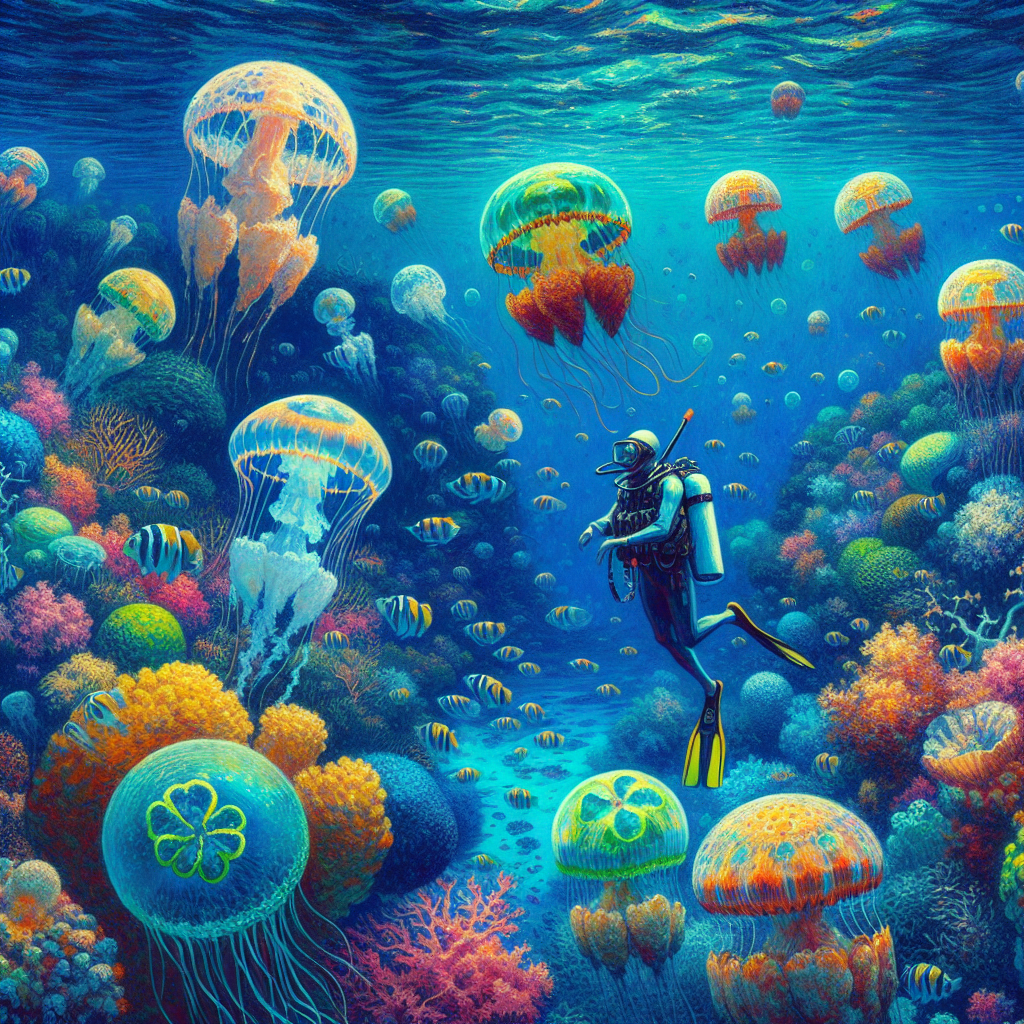
One of the most infamous creatures you might encounter is the jellyfish. While their translucent bodies drifting through the water may seem otherworldly, let me tell you—some of them pack a punch. The sting of certain jellyfish can leave you with an uncomfortable rash or, in rare cases, more severe reactions. Wearing a wet suit can provide a layer of protection should you come across these gelatinous travelers.
Next up on our list of potential hazards is the lionfish. With its exquisite fins and bold colors, this fish looks like the poster child for underwater beauty. But don’t be fooled; it’s also venomous. The spines can deliver a painful sting that requires medical attention. Thankfully, lionfish don’t generally pose a threat unless you get too curious. Respect their space, and you’ll be just fine.
Then there’s the ever-elusive moray eel. These guys are the introverts of the sea—their shy nature keeps them hidden in crevices, but if provoked, they might just remind you why they deserve to be left alone. While attacks are rare, they can bite if they feel cornered or threatened.
Finally, let’s not forget about the sharp, jagged edges of coral. While coral reefs are essential to marine life, they can also be hazardous if you swim too close. It’s vital to maintain an appropriate distance to avoid cuts and scrapes.
While there are some dangers to be aware of when snorkeling in Cozumel, with a little caution and respect for the underwater ecosystem, you can enjoy all the wonders this destination has to offer. Always keep your wits about you and remember, you’re just a visitor in an extraordinary world—tread lightly!

Are There Dangerous Sea Creatures When Snorkeling In Cozumel?
Are There Dangerous Sea Creatures When Snorkeling In Cozumel?
- Cozumel offers a vibrant underwater world, known for its stunning coral reefs and diverse marine life.
- The majority of encounters while snorkeling will be enjoyable, featuring parrotfish, angelfish, and sea turtles.
- Jellyfish can pose a threat, with some species delivering painful stings; wearing a wetsuit can offer protection.
- The venomous lionfish is beautiful but can cause painful stings if provoked; it’s best to observe from a distance.
- Moray eels, though shy and rarely aggressive, can bite if they feel threatened, so it’s wise to give them space.
- Coral reefs, while essential to marine life, have sharp edges and can cause cuts; maintaining distance is crucial.
- With caution and respect for the environment, snorkeling in Cozumel can be a safe and exhilarating experience.

Are There Dangerous Sea Creatures When Snorkeling In Cozumel?
What Are The Water Conditions Snorkeling In Cozumel??
When it comes to snorkeling in Cozumel, there’s a treasure trove of underwater wonders ready to captivate anyone willing to take the plunge. The water conditions here can shift like the tides, but generally, you’re looking at a delightful canvas of vibrant marine life and crystal-clear visibility.
First off, let’s talk about temperature. The water in Cozumel tends to hover around a balmy 78°F to 84°F, depending on the season. That’s like diving into a lukewarm bath, perfect for enjoying the magnificent coral reefs without worrying about your teeth chattering! While this is more than comfortable for most snorkelers, a light wetsuit can be handy if you plan to spend a bit longer underwater or are prone to getting chilly.
Next, there’s the visibility, which is nothing short of breathtaking. On a good day, you can expect visibility to reach anywhere from 60 to over 100 feet. That’s a diver’s dream — a clear window to the mesmerizing world of fish darting among colorful corals. With such great visibility, you might even spot elusive creatures like sea turtles or the dazzling parrotfish without diving too deep.
Now, let’s not gloss over currents. Cozumel is located near the Mesoamerican Barrier Reef, and those currents can be as fickle as a cat on a hot tin roof. Generally, the currents range from mild to moderate, making most snorkeling spots accessible for both beginners and seasoned snorkelers alike. However, it’s always wise to check local conditions before you embark on your underwater adventure. Local guides are worth their weight in gold for this very reason—seasoned ocean experts who know the lay of the land, or water, in this case.
Finally, let’s not forget about the seasonality. The summer months can attract a bustling crowd eager to share in the underwater spectacle, while the winter months may bring cooler weather. Regardless of when you decide to go, there’s an ocean of beauty awaiting you just below the surface.
So if you’re itching for an aquatic escape, snorkeling in Cozumel is the ticket. Strap on those fins and dive in; the clear waters are calling, and adventure is just a few kicks away!

What Are The Water Conditions Snorkeling In Cozumel??
What Are The Water Conditions Snorkeling In Cozumel??
- Cozumel offers diverse underwater wonders for snorkeling enthusiasts.
- Water temperatures range from 78°F to 84°F, providing comfortable conditions for snorkelers.
- Visibility can reach 60 to over 100 feet, ideal for viewing marine life and coral formations.
- Currents in the area range from mild to moderate, suitable for both beginners and experienced snorkelers.
- It’s advisable to check local conditions and consider hiring local guides for safety and expertise.
- Summer attracts more snorkelers, while winter may bring cooler weather.
- Overall, Cozumel is an excellent destination for an aquatic adventure.

What Are The Water Conditions Snorkeling In Cozumel??
Conclusion
So, you’re gearing up for some snorkeling in Cozumel, huh? Well, buckle up, because you’re in for a visually mind-blowing treat! But before you just leap into those inviting Caribbean waters, let’s take a moment to talk turkey—specifically, the essentials of safety, local conditions, and some common sense.
First off, Cozumel is cryin’ out for snorkelers with its breathtaking coral reefs and vibrant marine life. It’s like being invited to a high-octane party thrown by Mother Nature herself. But as with any adventure, knowing what you’re getting into is paramount. Check the weather and water conditions before rushing out. The seas can be smooth as butter one moment, then thrown into a tizzy by unexpected storms. The golden rule here? Always consult local operators.
Speaking of gear, this isn’t swim class. You want quality equipment. A well-fitting mask and a reliable snorkel can make or break your experience. Nothing’s worse than a leaky mask when you’re trying to enjoy that kaleidoscope of underwater wonder. And always, and I mean always, snorkel with a buddy. It’s not just safer; it’s way more fun to experience this underwater beauty alongside someone else.
Now, let’s chat about the currents. Depending on the time of year, Cozumel’s currents can fluctuate from friendly to rambunctious. While most popular snorkeling spots present manageable conditions, it’s best to scope out the lay of the land (or sea) with a local guide. They know their stuff, and trusting their expertise can transform a good day into a great one.
As much as we love embracing the beauty below, let’s not forget about the respect part. Love the coral but keep your distance; it might look inviting, but those jagged edges can bite back! Plus, be mindful of the undersea residents. Most are there just doing their thing; you don’t need to play the role of ocean ambassador—admire from a distance.
In conclusion, snorkeling in Cozumel isn’t just a swim; it’s an experience loaded with wonder and joy. Prepare wisely, stay safe, and cherish every moment. You’re diving into one of nature’s finest exhibitions, so respect it, and you’ll be rewarded with a spectacular aquatic adventure! Now go on—get in that water and make some unforgettable memories!
Conclusion
Conclusion:
- Cozumel offers stunning coral reefs and vibrant marine life for snorkelers.
- Check weather and water conditions before snorkeling, as they may change unexpectedly.
- Use quality snorkeling gear, including a well-fitting mask and reliable snorkel.
- Always snorkel with a buddy for safety and enjoyment.
- Be aware of fluctuating currents and consult local guides for the best experience.
- Respect marine life and coral by keeping a safe distance while observing.
- Snorkeling in Cozumel promises an unforgettable adventure; prepare wisely and enjoy!.

Conclusion
Other Resources

Other Resources
Reading this from somewhere that isn’t Cozumel? When you do come down, where you stay shapes the whole trip. A few options from our sister sites: Cozumel Escape is a larger Cozumel villa suited to groups, families, and divers who want their own base. Sunset 37 is a Cozumel rental positioned for divers and waterfront-loving travelers.
Here is a list of other resources you can review online to learn more:
- Coral Reefs
- Playa San Francisco
- Beach Bum Bikes
- Online Reef Guide
- Cozumel Scuba Repair
- Seasons 52
- cozumelescape.com
- Sunset 37 — a rental built for people who plan their week around dive boats
Use This Prompt To Get More Resources With Your Favorite Online AI Tool: Please provide me with a list of online articles with their URLs in a bulleted list that I can read regarding Is It Safe to Snorkel In Cozumel?
Other Resources
Glossary Terms
Is It Safe to Snorkel In Cozumel? – Glossary Of Terms
1. Snorkeling: The act of swimming on or through a body of water while equipped with a mask, snorkel, and fins to observe underwater life.
2. Cozumel: An island in the Caribbean Sea off the eastern coast of Mexico’s Yucatan Peninsula, famous for its beautiful coral reefs and marine biodiversity.
3. Coral Reef: A marine structure formed by the accumulation of coral polyps; Cozumel features the second-largest barrier reef in the world.
4. Mask: A piece of snorkeling gear that covers the eyes and nose, allowing for underwater vision.
5. Snorkel: A breathing tube that allows snorkelers to breathe while keeping their face submerged in water.
6. Fins: Footwear designed to increase propulsion while swimming. Snorkeling fins usually come in various lengths and sizes.
7. Marine Biodiversity: The variety of marine species, including fish, corals, and other organisms found in Cozumel’s underwater ecosystems.
8. Tide: The regular rise and fall of sea levels due to gravitational forces, affecting water conditions for snorkeling.
9. Current: The flow of water in a specific direction. Understanding currents is crucial for safe snorkeling experiences.
10. Visibility: The clarity of water which affects how far one can see underwater. Good visibility is important for an enjoyable snorkeling experience.
11. Guide: An experienced professional who can lead snorkeling tours, providing safety instructions and information about marine life.
12. Safety Precautions: Steps taken to minimize risks while snorkeling, such as checking weather conditions, avoiding strong currents, and using the buddy system.
13. Buddy System: A snorkeling practice where individuals pair up to ensure safety and provide assistance in case of emergencies.
14. Buoyancy: The ability of an object to float in water. Proper buoyancy helps snorkelers maintain a comfortable position while observing marine life.
15. Wetsuit: A form-fitting suit made of neoprene, providing thermal insulation in colder waters and protection from marine life.
16. Sunscreen: A lotion or spray applied to the skin to protect against harmful UV rays; reef-safe options are preferred to prevent coral damage.
17. Decompression Sickness: A condition that can affect divers and snorkelers when ascending too quickly from depths; not typically a concern for shallow snorkeling.
18. Snorkeling Tour: An organized outing where participants snorkel in specific locations, often led by trained guides.
19. Life Vest: A personal flotation device that provides buoyancy; recommended for less experienced snorkelers.
20. Underwater Photography: The practice of capturing images underwater, popular among snorkelers to document marine life.
21. Regulated Areas: Designated zones where snorkeling is permitted to protect marine environments and wildlife.
22. Boat Snorkeling: Snorkeling from a boat, allowing access to deeper and more distant locations where coral reefs and marine life thrive.
23. Seagrass: A type of flowering plant found in shallow waters, providing habitat for various marine species and serving as a food source.
24. Conservation: The protection and preservation of marine ecosystems, critical in areas like Cozumel where tourism impacts biodiversity.
25. Marine Life: Refers to all living organisms in the ocean, including fish, crustaceans, and coral, that snorkelers may observe.
26. Emergency Procedures: A set of guidelines to follow in case of an accident or incident while snorkeling, emphasizing the importance of being prepared.
27. Entry Point: The location where snorkelers begin their snorkeling experience, often determined by water conditions and marine traffic.
28. Rocky Bottom: An underwater surface that may pose hazards to snorkelers; awareness is essential for avoiding injuries.
29. Night Snorkeling: A unique experience to observe nocturnal marine life; it requires additional precautions and equipment like a dive light.
30. Environmental Impact: Refers to the potential effects of snorkeling activities on marine ecosystems, highlighting the need for responsible practices.
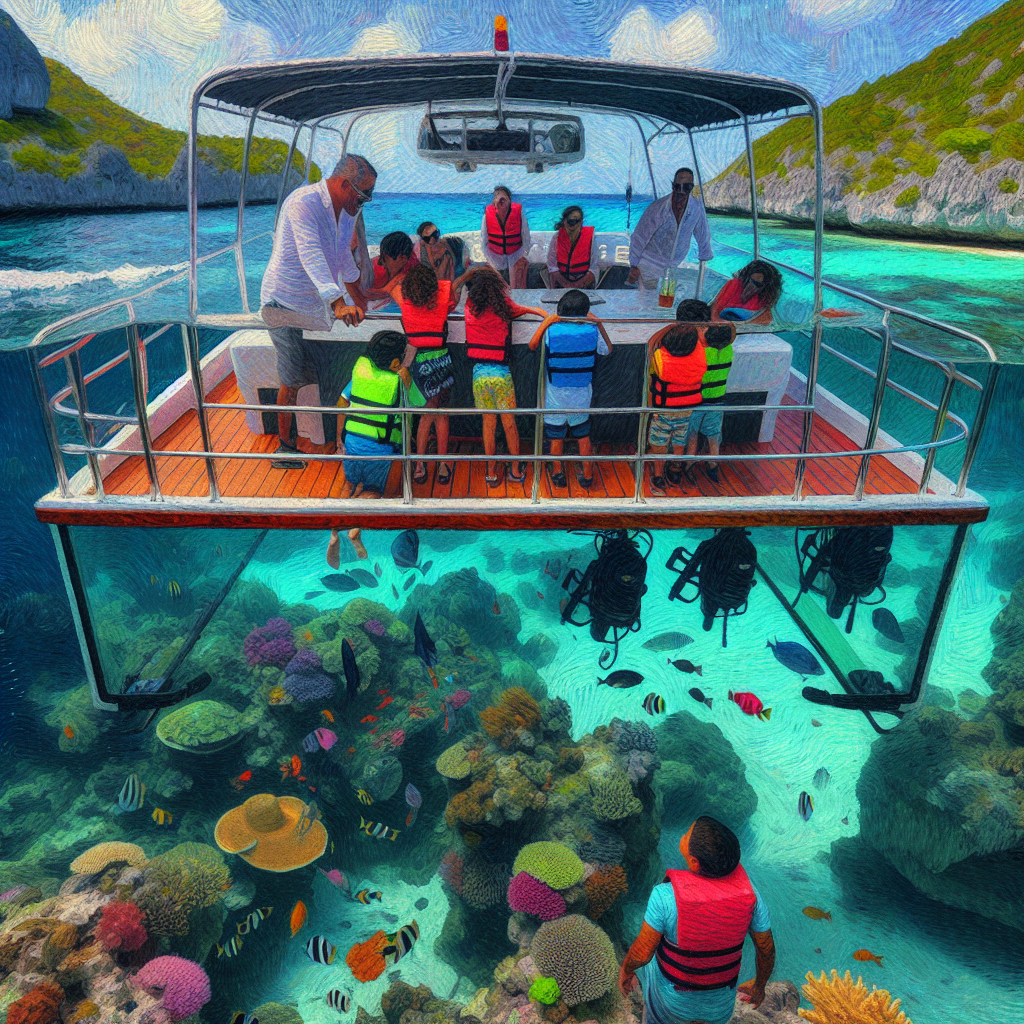
Glossary Of Terms
Other Questions
Is It Safe to Snorkel In Cozumel? – Other Questions
If you wish to explore and discover more, consider looking for answers to these questions:
- What is the best time of year to snorkel in Cozumel?
- Are there specific snorkeling locations recommended for beginners?
- What should I do if I encounter dangerous sea creatures while snorkeling?
- How can I ensure my snorkeling equipment is in good condition?
- What are some tips for maximizing my snorkeling experience in Cozumel?
- Can I go snorkeling if I’m not a strong swimmer?
- What local tour companies are considered the best for snorkeling in Cozumel?
- What is the cost of snorkeling tours in Cozumel?
- What should I wear for snorkeling in Cozumel?
- How do I protect myself from the sun while snorkeling?
- Are there any environmental regulations regarding snorkeling in Cozumel?
- What should I pack for a snorkeling trip to Cozumel?
- How can I help protect the marine ecosystem while snorkeling?
- Is snorkeling in Cozumel suitable for children?

Other Questions
Haiku
Is It Safe to Snorkel In Cozumel? – A Haiku
Cozumel waters call,
Coral reefs and sea life thrive—
Safety first, then dive.

Haiku
Poem
Is It Safe to Snorkel In Cozumel? – A Poem
In crystal depths where corals glow,
A world awaits, a vibrant show.
Where parrotfish and turtles play,
Cozumel’s wonders, come what may.
But before you dive in awe,
Nature’s reminders hold a law:
Check the weather, know the tide,
Ensure you venture by a guide.
With gear that fits and fins that glide,
A snugly mask to fit your pride.
Safety floats and buddy near,
In joyful depths, cast aside fear.
Beware the jelly’s soft embrace,
And lionfish with graceful grace.
Though beauty blooms in every hue,
Respect the sea—the sea’s life too.
Season’s tide can shift and sway,
Warm currents may lead you astray.
Yet when the sun and water blend,
Adventure calls, the fun won’t end.
So gear up well, and heed the sound,
Of ocean whispers all around.
For in this paradise, so vast,
With care and joy, your memories last.
Beneath the waves, a dance so bright,
A snorkeling dream in Caribbean light.
Dive into wonder, but take your time,
In Cozumel’s arms, you’ll surely feel sublime.

Poem
Checklist
Is It Safe to Snorkel In Cozumel? – A Checklist
Pre-Adventure Preparations:
_____ Check Weather Conditions:
_____ Look for current weather reports and water conditions.
_____ Be aware of nearby storms or high winds.
_____ Understand Current Conditions:
_____ Check local resources for current intensity (mild to moderate).
_____ Plan snorkeling during calmer times, like early morning.
_____ Choose Reputable Tour Operators:
_____ Research and read reviews for local snorkeling tours.
_____ Confirm that they prioritize safety and provide necessary equipment.
Gear Essentials:
_____ Quality Snorkeling Equipment:
_____ Ensure the mask fits snugly without leaks.
_____ Use a snorkel with a one-way valve and a purge valve.
_____ Choose the right-sized fins (open-heel or closed-heel based on conditions).
_____ Consider Protective Clothing:
_____ Wear a thin wetsuit or rash guard for sun protection and warmth.
_____ Use reef-safe sunscreen to protect your skin and marine life.
During Your Snorkeling Adventure:
_____ Buddy System:
_____ Always snorkel with a partner for safety.
_____ Keep track of each other’s positions.
_____ Stay Hydrated:
_____ Drink plenty of fresh water before and after snorkeling.
_____ Use a Safety Float:
_____ Consider wearing a snorkel vest for extra visibility in the water.
_____ Respect Marine Life:
_____ Avoid touching coral or wildlife to minimize disturbance and injury.
_____ Observe marine creatures from a safe distance.
_____ Listen to Your Guide:
_____ Follow all instructions from your snorkeling guide.
_____ Don’t hesitate to ask questions about safety procedures and local hazards.
Post-Adventure Tips:
_____ Check Your Gear:
_____ Inspect all snorkeling equipment for wear and tear after each use.
_____ Review Safety Practices:
_____ Reflect on the experience and discuss any safety concerns with your buddy or guide.
_____ Know Emergency Procedures:
_____ Familiarize yourself with the nearest medical facilities and emergency contacts.
Important Reminders:
_____ Know Your Limits:
_____ Avoid pushing yourself beyond your comfort zone.
_____ If you feel overwhelmed or fatigued, take a break.
_____ Stay Informed:
_____ Regularly update yourself about local wildlife and potential hazards.
Keep this checklist handy to ensure a safe and enjoyable snorkeling experience in the stunning waters of Cozumel! Happy snorkeling!

Checklist
At TopCozumelNews, we help travelers enjoy Cozumel by collating information learned from frequently traveling to beautiful Cozumel.
Be sure to read our other related stories at TopCozumelNews to learn more about the Island of Cozumel.