




Taste Cozumel’s Vegetarian Magic: Fresh, Ethical, Locals’ Picks
By Tom Seest
At TopCozumelNews, we help travelers enjoy Cozumel by collating information learned from frequently traveling to beautiful Cozumel.
Be sure to read our other related stories at TopCozumelNews to learn more about the Island of Cozumel.
What Delicious Vegetarian Dishes Can You Try In Cozumel?
Cozumel feeds you with sun, sea salt and food that tastes like somebody cared enough to slow down and do it right. For folks leaning into Vegetarian eating, that means bright, honest plates that don’t try to impress you — they just make you feel good. Picture warm corn tortillas rolled around slow-roasted mushrooms and caramelized onions, slathered in smoky salsa that bites and then apologizes. That’s a taco that earns your respect.
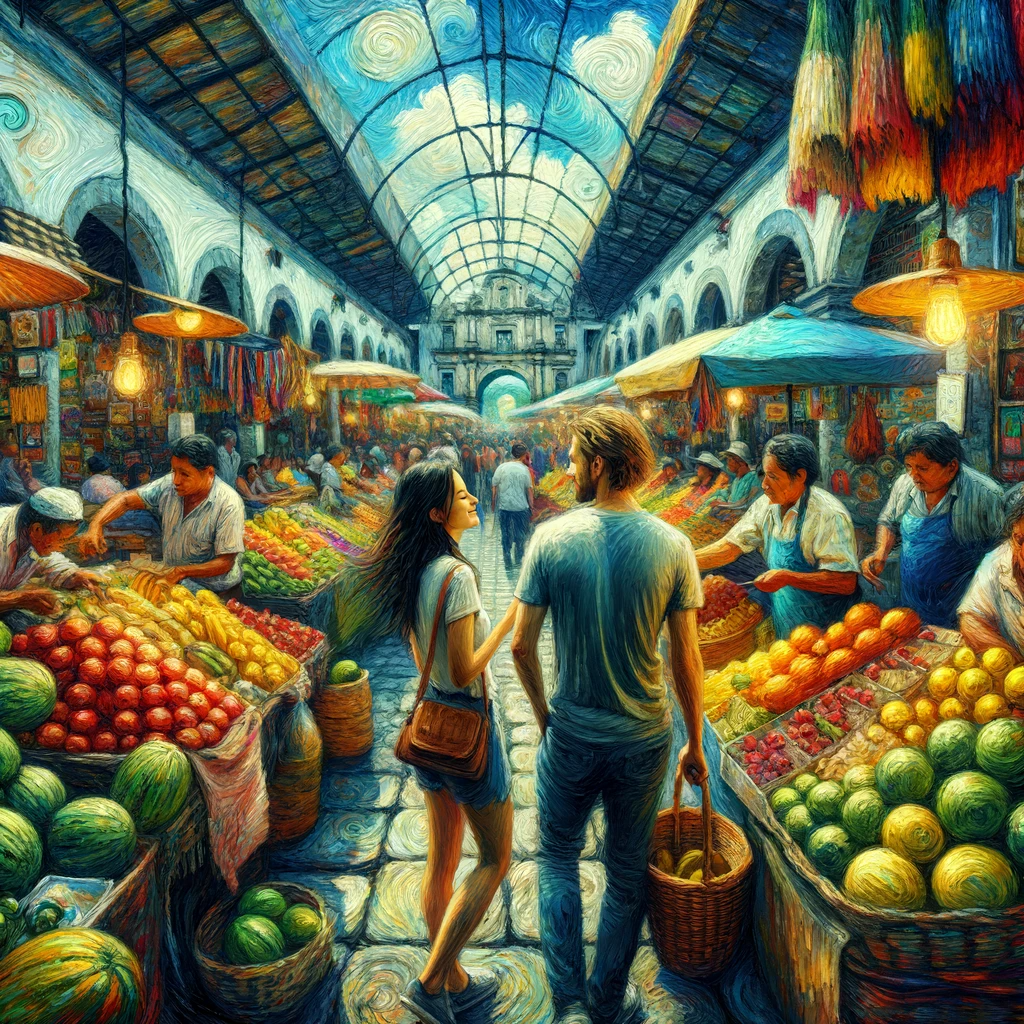
Start where people eat: the mercados and the little beachside puestos. You’ll find panuchos and salbutes piled with black beans, creamy avocado, pickled red onion and a drizzle of crema. The crunch-then-pillowy bite is practical poetry. Swap the slow-cooked pork for refried beans or nopales (cactus), and you’ve got a dish that’s kind to your conscience and your wallet.
There’s mushroom tinga, deep and savory, that fills quesadillas the way a good mechanic fills a truck’s tank — efficiently and with pride. Chilaquiles show up for breakfast like a loyal old dog: crisp tortilla chips softened in verde or rojo salsa, topped with queso fresco, crema, and a runaway fried egg or a mound of seasoned beans for the Vegetarian crowd. Eat it under a fan and call it bliss.
Don’t overlook Yucatecan staples given a veggie twist: nixtamal tortillas with relleno negro made from local roasted peppers and charred vegetables, or a bright ceviche of jicama and avocado that snaps against the tongue like wind off the sea. Sopa de lima can be served with vegetable broth and pulled jackfruit or shredded mushrooms that soak up the citrus like they were born to.
There’s an ethical comfort, too: choosing dishes that lean on local produce supports small vendors and keeps the island’s kitchens honest. You’re not paying for garnish — you’re paying for real flavor. Nutritionally, these plates are balanced when you mix beans, corn, fresh greens and grilled vegetables; hearty enough to get you through a day of snorkeling or walking the malecon.
Order confidently: request no lard, ask for extra salsa, share plates. Sit at a crowded table, trade bites with strangers, and you’ll learn the language of the place faster than any guidebook. Eat like someone who appreciates work done by hand, and Cozumel will repay you with food that feeds the gut, quiets the head, and warms the rest of you that keeps score.

What Delicious Vegetarian Dishes Can You Try In Cozumel?
What Delicious Vegetarian Dishes Can You Try In Cozumel?
- Fresh, unpretentious vegetarian cuisine in Cozumel emphasizes slow-cooked, flavorful ingredients—eg. corn tortillas filled with slow‑roasted mushrooms, caramelized onions, and smoky salsa.
- Start at mercados and beachside puestos for panuchos and salbutes topped with black beans, avocado, pickled red onion, and crema; swap pork for refried beans or nopales.
- Mushroom tinga fills quesadillas; chilaquiles appear for breakfast with verde or rojo salsa, queso fresco, crema, and either a fried egg or seasoned beans for vegetarians.
- Yucatecan staples get vegetarian twists: nixtamal tortillas with relleno negro from roasted peppers and charred vegetables, jicama-and-avocado ceviche, and sopa de lima with jackfruit or shredded mushrooms.
- Choosing local produce supports small vendors and keeps kitchens honest—flavor comes from real ingredients rather than garnish.
- Vegetarian plates are balanced when you combine beans, corn, fresh greens, and grilled vegetables, providing enough sustenance for snorkeling or walking the malecon.
- Order confidently: request no lard, ask for extra salsa, share plates, and sit at crowded tables to learn the local food culture.

What Delicious Vegetarian Dishes Can You Try In Cozumel?
Table Of Contents
- What Delicious Vegetarian Dishes Can You Try In Cozumel?
- Where to Find the Best Vegetarian Street Food In Cozumel?
- What Are Chef-Recommended Meatless Mains In Cozumel?
- Which Traditional Dishes Are Easily Vegetarianized In Cozumel?
- How Do Vendors Make Vegan Versions Of Ceviche In Cozumel?
- What Soulful Dishes Evoke Cozumel Island Memories?
- What Affordable Veg Meals Feed a Hungry Cozumel Traveler?
- Which Restaurants Prioritize Farm-To-Table Veggies In Cozumel?
- Conclusion
- Other Resources
- Glossary Of Terms
- Other Questions
- Haiku
- Poem
- Checklist
Where to Find the Best Vegetarian Street Food In Cozumel?
Walk into Cozumel like you mean to eat something that will stick to your ribs and make you smile, not like a tourist ticking boxes. The real spots live where the island wakes up early and keeps working late: the market alleys off the main plaza, the shady strip near the ferry terminal, and the clusters of carts by the pier where fishermen swap stories and tortillas get slapped fresh. These are places where Vegetarian options aren’t an afterthought — they’re made into something honest and satisfying.
Start where the air smells like toasted corn and garlic. Look for a cart with a little wood-fired comal, a pot of stewed beans, and an old metal ladle that’s been earning its keep. The people who run these stands know a few things that matter: how to coax sweetness out of black beans, how to char a cactus paddle just enough so it holds its texture, and how to build a taco so simple it feels like home. That know-how comes from doing it every single day — a kind of practical authority you can taste in the first bite.
The ethical part is plain: buying from family-run stalls keeps money circulating in the neighborhood and rewards farmers who grow heirloom squash, local chiles, and seasonal greens. A plate of nopal with queso fresco made from nearby milk is a small act of solidarity with an island that feeds itself by hand. People here swap recipes like currency; you benefit from generations of practice without any pretense.
Your head will appreciate the logic: fresh corn masa is cheaper, healthier, and better for the planet than packaged junk. Local spices mean fewer air-miles and a clearer flavor. Your gut will thank you for food cooked on a steady flame, not pumped with preservatives. The social payoff is immediate — you’ll end up shoulder-to-shoulder with locals, trading smirks over a shared bottle of salsa, joining a small community that values good, simple food.
Eat slowly, order what’s bright and hot, and leave room for street desserts that make even skeptics grin. Tip in pesos, nod like you belong, and tell your friends about the place that treated you right. That’s how these vendors stay alive, and how you bring a piece of Cozumel back with you — not just in photos, but in taste and memory. Vegetarian or not, these are the stalls that feed more than hunger.

Where to Find the Best Vegetarian Street Food In Cozumel?
Where to Find the Best Vegetarian Street Food In Cozumel?
- Find authentic, non‑touristy food in market alleys, the shady ferry strip, and pier carts where fishermen gather.
- Vegetarian options are central and satisfying, not an afterthought.
- Look for wood‑fired comal carts with stewed beans, charred nopal, and simple tacos — daily practice yields deep, honest flavor.
- Buying from family stalls supports local farmers, heirloom squash, chiles, seasonal greens, and local dairy like queso fresco.
- Fresh corn masa and local spices are cheaper, healthier, more sustainable, and taste clearer than processed alternatives.
- Eating here is social: shoulder‑to‑shoulder dining, shared salsa, community connection — tip in pesos and show respect to keep vendors thriving.
- Eat slowly, order bright and hot dishes, save room for street desserts, and bring home memories and flavor, not just photos.

Where to Find the Best Vegetarian Street Food In Cozumel?
What Are Chef-Recommended Meatless Mains In Cozumel?
Walk into a kitchen here and the first thing a chef will do is wipe his hands on his apron and point toward the comal, like he’s pointing at the sun. He’ll say the good food starts with good dirt and good salt. That’s where these meatless mains come from: island fields, little farms, a pile of masa, fire, and common sense. These are not fussy plates for Instagram; they’re honest, full-bellied meals that make you feel like you belong at the table.
Start with a stack of tacos de hongos — mushrooms seared until the edges sing and folded into warm tortillas with charred onion, a squeeze of lime, and a chile oil that remembers its grandmother. Chefs love them because mushrooms soak up smoke and spice like they’re designed for it, and the texture gives a satisfying bite that replaces the idea of meat without pretending to be something else.
Then there’s the tamal de elote, heavy with corn and melted local cheese, wrapped in a husk and steamed until it almost sings. It’s simple, but simple done right tells you everything about the kitchen: patience, respect for ingredients, and that the cook knows how to use heat without shouting. That’s the kind of authority you trust—skill, not showmanship.
Black bean enchiladas arrive like a warm, sensible hug. Frijoles simmered down until they’re silky, seasoned with epazote and garlic, ladled into tortillas, and topped with a bright tomato salsa and crumbled cheese. It’s cheap to make, rich in protein, and just plain good. Chefs recommend it because it feeds a crowd and keeps people talking long after the plates are cleared.
Nopal asado — grilled cactus pads — sounds fancy until you bite it and realize it’s just honest food. Smoky, slightly slimy in the best way, paired with pickled onions and queso fresco. It’s a reminder that the island’s bounty isn’t only fish; the land feeds us too. That ethical pull matters here. Choosing Vegetarian options supports local growers, eases pressure on reefs, and tastes of place.
For something bright and surprising, try coconut “ceviche” — toasted coconut meat cured with lime, tossed with mango, red onion, and chile. It tastes like sunshine and holds up under the sun.
These dishes are meant to be shared, passed around, argued over, laughed about. Ask for the chef’s pick, pull up a stool, and let the kitchen do the talking. You’ll leave with a full stomach, a clearer head, and a small, stubborn confidence that good food doesn’t need to be complicated to matter. Vegetarian choices in Cozumel are not compromise; they’re wisdom plated.

What Are Chef-Recommended Meatless Mains In Cozumel?
What Are Chef-Recommended Meatless Mains In Cozumel?
- Kitchen ethos: good food starts with good dirt and salt—island fields, small farms, masa, fire, and common sense.
- Tacos de hongos: mushrooms seared until edges sing, folded into warm tortillas with charred onion, lime, and chile oil; satisfying texture that replaces meat without pretending to be it.
- Tamal de elote: corn and melted local cheese wrapped in a husk and steamed—simple technique that demonstrates patience, respect for ingredients, and skilled heat control.
- Black bean enchiladas: frijoles simmered until silky with epazote and garlic, topped with bright tomato salsa and crumbled cheese; inexpensive, protein-rich, and crowd-pleasing.
- Nopal asado: grilled cactus pads paired with pickled onions and queso fresco—smoky, honest food that highlights the island’s land-based bounty and supports local growers and reefs.
- Coconut “ceviche”: toasted coconut cured with lime, tossed with mango, red onion, and chile—bright, sunny, and resilient under the sun.
- Shared, convivial meals: dishes meant to be passed around; trust the chef’s pick, pull up a stool, and regard vegetarian choices in Cozumel as wise, unfussy nourishment.

What Are Chef-Recommended Meatless Mains In Cozumel?
Which Traditional Dishes Are Easily Vegetarianized In Cozumel?
Walk into any mercado in Cozumel and the air smells like lime, smoky achiote, frying tortillas and the sea. You don’t have to give up those flavors to be Vegetarian; you only have to be practical and a little stubborn. Start with the classics that are built around sauces, not meat: cochinita pibil, tacos al pastor, ceviche, tamales, and even pescado a la talla. Those are all invitations for a swap that keeps the soul of the dish.
Cochinita pibil becomes a revelation with shredded jackfruit or mushroom confit braised in the same citrus-achiote bath. You get the tang, the slow-cooked texture, the whole street-cart satisfaction without the pork. Tacos al pastor? Marinate thinly sliced pineapple and portobello or seitan in adobo and grill until the edges blacken. Put it on a warm tortilla and nobody’s asking for a refund.
Ceviche is the easiest confidence-builder. Hearts of palm, oyster mushrooms, or firm tofu take the lime, tomato, and chile like champs. It’s light, bright, and the kind of dish that makes you feel morally good and full at once. Sopa de lima adapts by leaning on a rich vegetable stock and adding roasted squash and tofu, keeping the citrus backbone that makes your shoulders relax.
Tamales and empanadas are social food — perfect for feeding a crowd. Fill them with rajas and queso, frijoles refritos, or spicy pumpkin. Chiles rellenos stuffed with cheese and black beans stand proud on any table. For pescado a la talla, swap in thick slices of cauliflower or eggplant brushed in that famous chile-adobo and grilled until they sing.
Practical tips that earn trust: ask for lard-free tortillas at the stall, carry a pocket phrase to say “sin carne, por favor,” and look for vendors who cook to order. Support local markets and small paladares; they’ll work with you if you show appreciation and put a little cash where your taste buds are. Ethically, it’s satisfying — less animal product, more seasonal veg, more respect for the island’s produce.
There’s no austerity here, just common-sense swaps that honor tradition and feed the heart. Try one swap, then another. You’ll leave Cozumel with new favorites, a few new vendor friends, and the comforting proof that you can be Vegetarian in a place that smells like heaven and tastes like home.

Which Traditional Dishes Are Easily Vegetarianized In Cozumel?
Which Traditional Dishes Are Easily Vegetarianized In Cozumel?
- Mercado atmosphere: lime, smoky achiote, frying tortillas and the sea — being Vegetarian in Cozumel means practicality and preserving those flavors, not sacrifice.
- Swap meat in saucy classics: cochinita pibil → shredded jackfruit or mushroom confit in citrus-achiote; tacos al pastor → pineapple with portobello or seitan marinated in adobo and grilled.
- Ceviche becomes hearts of palm, oyster mushrooms, or firm tofu with lime, tomato and chile; sopa de lima uses rich vegetable stock with roasted squash and tofu to keep its citrus backbone.
- Tamales and empanadas feed crowds when filled with rajas and queso, refried beans, or spicy pumpkin; chiles rellenos with cheese and black beans; pescado a la talla → cauliflower or eggplant brushed with chile-adobo and grilled.
- Practical tips: ask for lard-free tortillas, carry the phrase “sin carne, por favor,” favor vendors who cook to order, and support local markets and paladares.
- Ethical and culinary gains: fewer animal products, more seasonal vegetables, greater respect for the island’s produce, and preserved traditional flavors.
- Approach with small swaps — you’ll leave with new favorites, vendor friends, and proof you can be Vegetarian in a place that tastes like home.

Which Traditional Dishes Are Easily Vegetarianized In Cozumel?
How Do Vendors Make Vegan Versions Of Ceviche In Cozumel?
The vendors out here treat ceviche like a trade — equal parts gut instinct and stubborn rehearsal. They took the idea of raw fish marinated in lime and turned it into something honest and cheering for anyone who wants a lighter plate, Vegetarian or otherwise. The trick isn’t pretending to be fish; it’s making bright, briny, and crunchy into its own thing so the shore remembers it.
Start with the backbone: hearts of palm, jackfruit, or oyster mushrooms. Hearts of palm have that meaty, shatter-on-the-tooth texture; jackfruit gets pulled and rinsed, soaked briefly, then shredded into something that soaks up flavor like a sponge. Oyster mushrooms are fried or seared fast to get a little chew and char. Vendors toss these with a fistful of fresh lime — the acid breaks things down and punches the sweetness forward. They don’t overdo it. Ten to twenty minutes is enough for the tang to sing without turning everything limp.
Next comes the salt and the sea. A generous pinch of coarse salt, a splash of olive oil, and a spoon of kelp flakes or crumbled nori brings the ocean to the bowl without touching a net. Tomatoes and red onion are chopped so they snap when you bite; cucumber and jícama add a cold, clean crunch. Chile is played like a seasoning, not a show-off; a serrano or a sliver of habanero whispers heat, cilantro stitches freshness through the mix, and ripe avocado gives the whole thing a mellow, creamy ending.
Vendors in Cozumel keep their ceviche social. It’s ladled onto warm tostadas, garnished with a little cilantro and a wedge of lime, and passed around. People trade bites, debate the right amount of lime, and leave with their cheeks full and the sea still on their boots. That shared moment sells more than flavor — it sells trust. These recipes evolved from necessity and respect for the island’s resources. Opting for plant-based proteins eases pressure on reefs and supports local growers who bring in the produce every morning.
If you want to find a sure thing, follow the stall where the line includes locals, where the bowls gleam and the vendor doesn’t flinch at repeating a technique he’s been perfecting for years. Order it extra lime, eat it standing at a picnic table, and pass the second tostada to someone nearby. That’s how a humble, clever plate becomes a little community ritual.

How Do Vendors Make Vegan Versions Of Ceviche In Cozumel?
How Do Vendors Make Vegan Versions Of Ceviche In Cozumel?
- Vendors treat ceviche as a practiced trade—equal parts gut instinct and stubborn rehearsal—reimagining raw-fish ceviche into an honest, cheering plant-based dish.
- Core plant proteins: hearts of palm for a meaty, shatter-on-the-tooth texture; pulled jackfruit shredded to absorb flavor; oyster mushrooms fried or seared for chew and char.
- Bright acid from fresh lime is key; a brief 10–20 minute marinate lets tang sing without turning ingredients limp.
- Salt, olive oil, and kelp flakes or crumbled nori provide the sea note; tomatoes, red onion, cucumber, and jícama add snap and cold crunch.
- Chiles are used sparingly for background heat, cilantro adds freshness, and ripe avocado brings a mellow, creamy finish.
- Ceviche is social and local—served on warm tostadas, shared among people, rooted in island resource respect, and favored where lines of locals signal reliability; order extra lime and pass a second tostada to join the ritual.

How Do Vendors Make Vegan Versions Of Ceviche In Cozumel?
What Soulful Dishes Evoke Cozumel Island Memories?
Cozumel cooks with the sea under its fingernails and the sun baked into its tortillas. The soulful dishes that pull you back there aren’t just recipes — they’re weathered hands passing bowls down a long table, fishermen staking their pride on a day’s catch, and neighbors trading secrets about how to coax flavor out of lime and smoke. A bowl of caldo de mariscos, steam fogging your sunglasses, tastes like the island itself: briny, honest, and stubbornly simple. The shrimp and fish are never shy; they show up whole and proud, and you respect that.
Tikin Xic — fish rubbed with achiote, wrapped in banana leaf, and roasted over coals — makes a believer out of anyone who eats it. The smell of that roast will tattoo itself into your memory: sweet banana, earthy annatto, and the clean sting of citrus that punches through the fat. Ceviche here is not a delicate canapé. It’s fistfuls of chopped fish, raw-lime-cooked, with onion and chile that wake the mouth and make strangers smile. Pescado a la talla gets your attention with its char and chile paste, an island’s answer to straight talk.
Not everything has to be from the sea. The island leans on the mainland and the Mayan kitchen for soul food that feeds more than hunger. Panuchos and salbutes, tortillas puffed and slathered, fill the air with corn and char. Chaya — that local leafy green — appears in huevos con chaya or in thick, green tamales that even meat-eaters nod at. For folks who prefer plant-first plates, there are Vegetarian versions of classic dishes that don’t feel like second choices; they stand proud with roasted chiles, beans, and melted queso that comfort like an old friend.
Eating in Cozumel is an ethical small-economy affair. You’re buying from a cousin of a fisherman, a woman who’s been frying empanadas under a tarpaulin for thirty years. That connection matters; it tastes like someone cared enough to do it right. The authority of those flavors comes from repetition — hands that cook the same dish until the recipe lives in their knuckles.
If you want to take a piece of Cozumel home, let the flavors teach you. Learn to grill fish over wood, to stud your salsas with lime and salt until they shout, or to wrap tamales so the steam stays loyal. Share the plate, pass the tortillas, and you’ll understand why certain tastes are memory anchors for the island.

What Soulful Dishes Evoke Cozumel Island Memories?
What Soulful Dishes Evoke Cozumel Island Memories?
- Cozumel cuisine is seafood-rooted and soulful, born of fishermen, neighbors, and recipes passed down through weathered hands.
- Caldo de mariscos captures the island: briny, honest, simple, with whole shrimp and fish presented proudly.
- Signature preparations—Tikin Xic (achiote and banana-leaf roast), robust ceviche, and pescado a la talla—deliver bold smoke, citrus, and chile flavors.
- Mainland and Mayan influences supply panuchos, salbutes, and chaya dishes; vegetarian versions of classics are equally satisfying.
- Eating locally supports an ethical small-economy: food prepared by lifelong cooks and fishermen’s families who preserve traditions.
- To take Cozumel home, learn wood-grilling, lime-forward salsas, and tamale-wrapping, and share plates to anchor the island’s flavors in memory.

What Soulful Dishes Evoke Cozumel Island Memories?
What Affordable Veg Meals Feed a Hungry Cozumel Traveler?
You get off the ferry with salt in your hair and a wallet still doing its inventory. Hunger hits like a freight train and you want something real—warm, honest, and cheap enough to make the next cerveza optional. In Cozumel that means leaning into food that’s been feeding hands-on people for generations: hearty beans, charred corn, salsa that kicks, tortillas folded around whatever’s in season. Vegetarian needs don’t mean compromise here; they mean getting into the heart of what the island grows and what cooks know how to stretch into comfort.
Start at the mercados and the corner fondas. A steaming bowl of frijoles de la olla with rice and a fried egg or a stack of tlacoyos—thick masa pockets stuffed with refried beans and topped with nopales, queso fresco, a drizzle of crema—will calm any rumbling gut and won’t torch your travel fund. Street stalls turn out grilled elote slathered with lime and cotija, quesadillas with flor de calabaza that taste like home, and bowls of ceviche made with mushrooms instead of fish that come alive with citrus and chile. These are meals with backbone: cheap, filling, and honest about what they are.
There’s a moral and social muscle in choosing these spots. Buying from someone sweating over a comal keeps money in a neighborhood, supports families, and honors recipes that don’t come packaged. That’s the kind of travel you can feel good about—ethical, local, simple. It’s also pragmatic: plant-based meals here are often cheaper than their meaty counterparts, and they sustain a day of exploring ruins and reefs without weighing you down.
Trust the rhythm: find the busiest stall, not the fanciest. Eat where locals stand elbow to elbow and the salsa gets refilled every five minutes. Share a plate of papas con rajas or a tamal wrapped in banana leaf with new friends; food is how stories start and plans get made. If you have a kitchenette, hit the market for ripe mangos, tortillas, queso, black beans, and cook up a breakfast that saves cash and tastes like the island.
This is not fine dining—it’s gut-level satisfaction with a wink. It’s the kind of meal that leaves your pockets intact, your belly full, and your day wide open. Vegetarian or not, you’ll leave Cozumel knowing how simple ingredients and hardworking hands turned hunger into a good story.

What Affordable Veg Meals Feed a Hungry Cozumel Traveler?
What Affordable Veg Meals Feed a Hungry Cozumel Traveler?
- Arrive hungry and seek warm, honest, affordable island food—beans, charred corn, bold salsa, and tortillas; vegetarian options highlight local produce and cooks’ ingenuity.
- Begin at mercados and corner fondas for frijoles de la olla with rice and a fried egg or tlacoyos stuffed with refried beans, nopales, queso fresco, and crema.
- Street stalls offer grilled elote with lime and cotija, quesadillas with flor de calabaza, and mushroom ceviche brightened with citrus and chile—cheap, filling, straightforward meals.
- Buying from vendors supports neighborhoods and family recipes; plant-based dishes are often less expensive and keep you energized for ruins and reefs.
- Choose the busiest stalls, eat where locals stand, and share plates like papas con rajas or tamales wrapped in banana leaf—food connects people and starts stories.
- With a kitchenette, shop the market for ripe mangos, tortillas, queso, and black beans to make a saving, island-flavored breakfast; overall, expect gut-level satisfaction rather than fine dining.

What Affordable Veg Meals Feed a Hungry Cozumel Traveler?
Which Restaurants Prioritize Farm-To-Table Veggies In Cozumel?
You can tell the places that care before they put a plate down. The good ones wear dirt on their boots by sunrise — owners who knew the farmer’s name before they hired the dishwasher, cooks who hunt for what’s ripe instead of fishing through a freezer list. Those kitchens turn simple roots and leaves into something that stops you mid-bite and makes you remember why food matters. That’s farm-to-table in its honest form.
Start with the spots that change their menu like the weather. If the chalkboard reads “today’s harvest” and the server says where the tomatoes came from, that’s not marketing — it’s practice. Look for small bistros, palapa kitchens and mercado stalls that source weekly, not seasonally. These places treat vegetables like the main event. Vegetarian choices aren’t an afterthought; they’re crafted with as much care as the catch of the day.
Practical reasons back the feeling. Vegetables harvested nearby ripen longer and carry less travel shock. They taste brighter, keep more vitamins, and hold up in a skillet instead of collapsing into mush. Ethically, every plate bought from a local grower keeps money in the island’s hands and pays the person who planted the seed. That matters to families here. It’s about fair work, cleaner soil, and food that earned its way to your table.
There’s authority in the kitchen too. The cooks who tour the farms, who know when a pepper will sing or when a squash is still sweet — they build menus around that knowledge. They respect the rhythm of planting and rain, which shows in predictable quality and surprising seasonal combinations. These chefs don’t pretend to be chefs of everything; they master what’s on their island and invite you in.
Walk into these places and you’ll feel the social pull: shared tables, conversations about the farmer down the road, plates passed around like town gossip. That’s community. That’s trust. Order something labeled farm-fresh and watch how the table shifts toward tasting and trading notes. Ask for the Vegetarian special; it’s often the one that makes housewives and fishermen nod the same way.
Support the restaurants that list their suppliers, swap stories with the staff about the last harvest, and order like you mean it. The food tastes better, the island stays healthier, and you walk away full in a way that’s not just about hunger. That’s the kind of eating Cozumel deserves.

Which Restaurants Prioritize Farm-To-Table Veggies In Cozumel?
Which Restaurants Prioritize Farm-To-Table Veggies In Cozumel?
- Places that care show it before the plate arrives: owners connected to farmers and cooks who seek truly ripe produce.
- Menus change frequently—“today’s harvest” and weekly sourcing—treating vegetables as the main event, not an afterthought.
- Locally harvested vegetables taste brighter, retain more nutrients, and hold up better in cooking.
- Buying local keeps money in the island, supports fair work, and promotes cleaner soil and healthier families.
- Chefs who tour farms build menus around planting and rain rhythms, mastering native ingredients and seasonal pairings.
- Farm-to-table spots create community: shared tables, conversations about the farmer, and communal tasting.
- Support restaurants that list suppliers and celebrate the harvest—better food and a healthier island that Cozumel deserves.

Which Restaurants Prioritize Farm-To-Table Veggies In Cozumel?
Conclusion
Cozumel’s vegetarian scene isn’t a compromise — it’s common sense done well. Walk the mercados and the beach-side puestos and you’ll find food that’s honest, cheap, and built to last: warm masa wrapped around slow-roasted mushrooms and caramelized onions, panuchos and salbutes piled with black beans and avocado, chilaquiles that show up like an old friend, and tamales heavy with corn and melted cheese. These plates aren’t trying to impress; they’re trying to feed you right after a morning snorkeling or a long day on the malecon. That’s practical comfort.
Chefs and street cooks here share a quiet authority: hands that have learned heat, salt, and timing by repetition. They’ll tell you — without fuss — that mushrooms soak up smoke like nobody’s business, that nixtamal makes tortillas worth the trouble, and that a comal and a steady flame beat a freezer any day. Those are the trades you taste. Vendors with wood-fired comales, tired ladles, and lines of locals are the best recommendation you’ll get. Buy where the crowd is, ask for “sin carne” or no lard, and you’ll eat better and cheaper.
Vegetarian swaps feel inventive because they’re sensible. Jackfruit or shredded mushrooms stand in for slow-cooked pork in cochinita pibil. Hearts of palm, oyster mushrooms, or toasted coconut make ceviche that snaps with lime and chile without pretending to be fish. Cauliflower or eggplant take the place of pescado a la talla when brushed with chile adobo. These aren’t shortcuts; they’re respectful edits that preserve the soul of a dish while lightening its footprint.
There’s an ethical backbone to eating this way on the island. Choosing local veg supports small farmers, keeps money in neighborhoods, and eases pressure on reefs. Farm-to-table here isn’t a trend — it’s a practice: chalkboard menus that change with the harvest, cooks who know the farmer’s name, and vegetables treated like the main event. That connection tastes like brighter tomatoes, firmer squash, and a table worth lingering at.
The social payoff is as simple as sharing a tostada: you’ll end up elbow-to-elbow with locals, swapping bites and recipes, and leaving with a few vendor names scribbled in your head. Eat with patience, pay in pesos, and respect hands-on work. Do that and Cozumel will give you food that feeds the gut, settles the head, and sticks in the memory — honest, rooted, and impossible to forget.

Conclusion
Conclusion:
- Cozumel’s vegetarian food is practical, satisfying, and widely available at mercados and beach puestos—fresh masa dishes, panuchos, salbutes, chilaquiles, and cheese-filled tamales are common and affordable.
- Local cooks and chefs rely on practiced techniques—nixtamalized tortillas, wood-fired comales, smoke, salt, and steady flame—to create deeply flavored food by repetition and skill.
- Buy where locals line up; vendors with wood-fired comales and tired ladles signal quality. Ask for “sin carne” or no lard to keep dishes vegetarian.
- Vegetarian substitutions are thoughtful and respectful: jackfruit or shredded mushrooms for cochinita pibil; hearts of palm, oyster mushrooms, or toasted coconut for ceviche; cauliflower or eggplant for pescado a la talla.
- Eating local vegetables supports small farmers, keeps money in neighborhoods, and reduces pressure on reefs—farm-to-table is a lived practice with menus that shift by harvest.
- The social experience is communal: sharing tostadas puts you elbow-to-elbow with locals, trading bites and vendor names; the food feeds the body, grounds the mind, and creates lasting memories.

Conclusion
Other Resources

Other Resources
Here is a list of other resources you can review online to learn more:
- Professional Association of Diving Instructors
- ScubaTony Cozumel
- Cozumel Sunset Sailing
- Playa Mia Water Park
- Cozumel Bar Crawl
- Cozumel Medical Center
- Alberto’s Beach Bar
- Ramsar
- Scuba Caribe
- Paradise Beach Cozumel
- Money Bar Beach Club
- Playa Mia Grand Beach Park
- Snorkeling Trip Checklist
- The Money Bar Beach Club
- Cozumel Museum
Use This Prompt To Get More Resources With Your Favorite Online AI Tool: Please provide me with a list of online articles with their URLs in a bulleted list that I can read regarding What Delicious Vegetarian Dishes Can You Try In Cozumel?

Other Resources
Glossary Terms
What Delicious Vegetarian Dishes Can You Try In Cozumel? – Glossary Of Terms
Quesadilla: Folded corn or flour tortilla filled with melted cheese and often sautéed vegetables, folded and grilled until golden.
Tacos de nopal: Soft tortillas filled with grilled or stewed nopal cactus paddles, salsa, onion and queso fresco.
Enchiladas: Corn tortillas filled or rolled and bathed in red or green salsa, topped with cheese, crema and onions.
Chilaquiles: Fried tortilla strips simmered in salsa and finished with cheese, crema, onions and often beans or eggs.
Tamal: Steamed masa parcel wrapped in banana leaf or corn husk, filled with vegetables, cheese or savory-sweet fillings.
Sopes: Thick pinched masa discs topped with refried beans, lettuce, crema, cheese and salsa.
Panucho: Yucatecan fried tortilla stuffed with refried beans and topped with cabbage, avocado, pickled onion and tomato.
Salbute: Puffy fried tortilla topped with shredded lettuce, tomato, avocado and crema; meat optional but commonly served meat-free.
Tlayuda: Large, crisp Oaxacan-style tortilla layered with refried beans, Oaxaca cheese, avocado and vegetables.
Elote: Grilled or boiled corn on the cob dressed with mayo or crema, cotija or queso fresco, lime and chili powder.
Esquites: Sautéed corn kernels mixed with butter or oil, epazote, lime and cheese, served in a cup.
Nopales: Tender cactus paddles cooked and used in salads, tacos, stews and grilled vegetable platters.
Frijoles de la olla: Slow-simmered whole beans served plain or mashed and fried as refried beans.
Arroz a la mexicana: Tomato- and onion-seasoned Mexican rice cooked with peas, carrots and mild seasonings.
Mole poblano: Complex, layered sauce of chilies, nuts, seeds, spices and chocolate used over vegetables, enchiladas or rice.
Recado rojo (achiote): Annatto-based seasoning paste that gives a red color and earthy, citrusy flavor to marinades and roasted vegetables.
Sopa de lima (vegetarian): Yucatecan lime broth made with vegetable stock, fried tortilla strips, citrus and local spices.
Ceviche de hongos: Plant-based ceviche using mushrooms marinated in citrus with tomato, onion, cilantro and chiles.
Guacamole: Creamy mashed avocado seasoned with lime, onion, tomato, cilantro and jalapeño, served with tortillas or chips.
Pico de gallo: Fresh chopped tomato salsa with onion, cilantro, lime juice and chiles, used as a topping or side.
Salsa verde: Tangy green salsa made from tomatillos and green chiles, brightener for many vegetarian dishes.
Salsa roja: Red tomato-and-chile salsa that can be smoky or bright, used to dress tacos, enchiladas and sopes.
Queso fresco: Mild, crumbly fresh cheese used to top tacos, salads, sopes and many vegetarian preparations.
Crema: Mexican-style sour cream with a tangy, slightly thinner texture used as a finishing drizzle.
Nixtamalization: Traditional process of treating dried corn with an alkali to produce masa for tortillas and tamales.
Antojo: Small street snack or craving-worthy comfort food, often vegetarian options like tamales, elote or quesadillas.
Mercado: Local market where fresh produce, prepared vegetarian dishes, salsas and regional sweets are sold.
Agua fresca: Light fruit-based drinks such as horchata, jamaica or tamarind served as refreshing accompaniments.
Dulces regionales: Local desserts and confections—coconut candies, flan, pan de elote—featuring regional ingredients.
Plátano frito: Sweet fried plantain slices served as a side dish or dessert, caramelized and tender.

Glossary Of Terms
Other Questions
What Delicious Vegetarian Dishes Can You Try In Cozumel? – Other Questions
If you wish to explore and discover more, consider looking for answers to these questions:
- Where are the best mercados and street stalls for vegetarian food in Cozumel?
- Which specific restaurants offer strong vegetarian or vegan menus?
- Are there neighborhood areas or streets known for the most reliable vegetarian street food?
- What are typical price ranges for vegetarian street food, casual restaurants, and farm-to-table spots?
- How can I communicate dietary requests in Spanish (e.g., “no lard,” “sin carne” or “vegan”)?
- Which vegetarian dishes are naturally vegan and which commonly contain dairy or lard?
- How can I reliably identify dishes made with lard or animal broths at markets and stands?
- What vegan substitutes do Cozumel vendors commonly use (jackfruit, hearts of palm, mushrooms, tofu)?
- Are there gluten-free vegetarian options commonly available in Cozumel?
- Can food vendors and small restaurants accommodate food allergies (nuts, soy, gluten)?
- What are the safest practices for eating street food in Cozumel to avoid stomach upset?
- When are markets and the best street-food stalls typically open during the day?
- Which dishes are best for breakfast, lunch, or dinner for vegetarian travelers?
- Are there vegetarian-friendly seafood substitutes that are traditional or local to the Yucatán?
- How sustainable are vegetarian choices on the island and do they benefit local farmers?
- Which local ingredients should I try (chaya, nopales, flor de calabaza, nixtamal masa) and what do they taste like?
- Where can I buy fresh produce, masa, or specialty vegetarian ingredients if I have a kitchenette?
- Are there vegetarian cooking classes or food tours in Cozumel that focus on local cuisine?
- What are good vegetarian snacks to bring on snorkeling or excursion days?
- Which street desserts are vegetarian or can be made vegan?
- How do tipping and payment usually work at small stalls and mercados (cash vs. card, tipping etiquette)?
- Are there recommended farm-to-table restaurants that list their local suppliers or change menus daily?
- How do chefs in Cozumel source their produce and how transparent are they about suppliers?
- Which vegetarian dishes are most filling and protein-rich for active travelers?
- Are there vegetarian-friendly packaged foods or grocery chains on the island for emergencies?
- How popular are meatless mains among locals versus tourists in Cozumel?
- Can classic dishes like cochinita pibil, al pastor, and pescado a la talla be made authentically vegetarian?
- What are good phrases to ask vendors to prepare food without cross-contamination?
- Are there seasonal specialties I should look for when visiting at different times of year?
- Which public markets or stalls are most frequented by locals (a sign of quality and freshness)?
- Where can I find detailed recipes or ingredient lists for the vegetarianized traditional dishes mentioned?
- Are there vegetarian-friendly food festivals or events in Cozumel worth timing a visit around?
- How do I dispose of food packaging responsibly on the island to minimize environmental impact?

Other Questions
Haiku
What Delicious Vegetarian Dishes Can You Try In Cozumel? – A Haiku
Corn, lime, smoke, and sun
Hands, market wisdom feed us
Pass tortillas, laugh

Haiku
Poem
What Delicious Vegetarian Dishes Can You Try In Cozumel? – A Poem
Sun and salt baked into corn — a comal’s hymn at dawn,
warm tortillas rolled around mushrooms and caramelized onion,
smoky salsa that bites then apologizes, a taco that keeps its promises.
Panuchos puff and salbutes snap, black beans, avocado, pickled red onion,
crema like a cool hand on a summer forehead — practical poetry.
Markets breathe toasted corn and garlic; carts rattle like old stories.
Vendors with ladles worn to memory coax sweetness from beans,
char nopales just enough to hold their pride, stack tacos like a blessing.
Chefs wipe their hands on aprons and point to the comal — authority in practice,
stacking tamales of elote, frijoles turned silky with epazote,
nopal asado smoky and honest, coconut “ceviche” tasting of sun.
Logic lives here: masa over packaged junk, local chiles with fewer air miles,
beans and corn and greens balancing a day of reefs and ruins.
Ethics thread each plate — buying from the stall keeps money in the neighborhood,
feeds families, honors farmers, eases pressure on reefs, tastes like place.
Vegetarian is not sacrifice but wisdom plated: hearty, cheap, sustaining.
Ceviche remade with hearts of palm, jackfruit, oyster mushroom —
ten minutes of lime, salt, a whisper of nori, tomato and jícama snap —
served on a tostada passed around a picnic table, lime squeezed like punctuation.
Order marked “sin manteca,” extra salsa ladled freely; the language is simple,
the table crowded, strangers trading bites and jokes, belonging learned by taste.
Memory lives in tikin-xic smoke, caldo fogging sunglasses, tortillas slapped fast,
in chaya folded into eggs, in panuchos handed palm-to-palm across a plaza.
Farm-to-table places wear dirt on their boots: chalkboards that read “today’s harvest,”
chefs who know the farmer’s name, menus tuned to rain and season — trust you can taste.
This island feeds the gut with char and lime, the head with clear logic,
the heart with hands that have cooked the same dish until it lives in their knuckles.
Share a plate, pass the tortillas, tip in pesos — you take home more than photos:
a salted memory, a new favorite, a small, stubborn belief that simple food done well
will warm the rest of you that keeps score.
Poem
Checklist
What Delicious Vegetarian Dishes Can You Try In Cozumel? – A Checklist
Find Your Spots
✓ Mercado alleys off the main plaza ________
✓ Stands near the ferry terminal and pier carts ________
✓ Busy puestos with wood-fired comal and fresh nixtamal tortillas ________
✓ Family-run stalls with long local lines ________
✓ Small bistros/palapa kitchens with chalkboard menus ________
✓ Vendors who cook to order and refill salsa often ________
Order With Confidence
✓ Ask for vegetarian prep: sin carne, sin manteca (no lard), caldo de verduras (veg broth) ________
✓ Confirm beans are lard-free; request extra salsa and lime ________
✓ Swap eggs/cheese for seasoned beans or veggies if vegan ________
✓ Share plates; try what’s hot and fresh ________
✓ Pay in pesos; tip fairly ________
✓ Sit where tortillas are pressed fresh ________
Must-Try Meatless Dishes
✓ Panuchos or salbutes with black beans, avocado, pickled red onion, crema/vegan crema ________
✓ Tacos de hongos (seared mushrooms) with charred onion and chile oil ________
✓ Mushroom tinga quesadillas ________
✓ Black bean enchiladas with epazote and tomato salsa ________
✓ Chilaquiles (rojo or verde) with queso/beans or a fried egg ________
✓ Nopal asado (grilled cactus) with pickled onions and queso fresco ________
✓ Tamal de elote with local cheese ________
✓ Sopa de lima with veg broth and shredded mushrooms or jackfruit ________
✓ Relleno negro made with charred vegetables ________
✓ Jícama–avocado “ceviche” tostadas ________
Classic Dishes, Easy Veg Swaps
✓ Cochinita pibil → jackfruit or mushroom confit in achiote–citrus ________
✓ Tacos al pastor → adobo-marinated pineapple + portobello (or seitan) ________
✓ Ceviche → hearts of palm, oyster mushrooms, tofu, or toasted coconut ________
✓ Pescado a la talla → grilled cauliflower or eggplant in chile adobo ________
✓ Tamales/empanadas → rajas con queso, frijoles refritos, or spicy pumpkin ________
✓ Chiles rellenos → cheese and black beans ________
✓ Sopa de lima → rich veg stock, roasted squash, tofu or mushrooms ________
Vegan Ceviche: Build It Right
✓ Base: hearts of palm, jackfruit (rinsed/shredded), or lightly seared oyster mushrooms ________
✓ Lime marinade: 10–20 minutes for brightness without mush ________
✓ Sea note: coarse salt + a pinch of kelp flakes or crumbled nori ________
✓ Crunch: tomato, red onion, cucumber, jícama ________
✓ Heat + herbs: serrano/habanero to taste, cilantro ________
✓ Creaminess: diced ripe avocado ________
✓ Serve on warm tostadas with extra lime ________
Budget-Friendly Fuel
✓ Frijoles de la olla with rice; add a fried egg or extra beans ________
✓ Tlacoyos stuffed with refried beans, topped with nopales, queso, crema ________
✓ Grilled elote with lime and cotija ________
✓ Quesadillas with flor de calabaza or rajas ________
✓ Mushroom or hearts-of-palm ceviche tostadas ________
✓ Papas con rajas (potatoes with roasted chiles) ________
✓ Market haul if you have a kitchenette: tortillas, black beans, queso, chaya/greens, mangos ________
Farm-to-Table Signals
✓ Menu changes daily; “today’s harvest” listed ________
✓ Staff can name local farms/suppliers ________
✓ Produce looks vibrant and seasonal, not uniform and out-of-season ________
✓ Nixtamalized corn for tortillas (not pre-packaged) ________
✓ Smaller menus focused on what’s ripe ________
✓ Chefs who visit farms and highlight growers ________
Ethics That Taste Good
✓ Choose family-run stalls to keep money local ________
✓ Favor heirloom corn, local chiles, seasonal greens ________
✓ Plant-forward plates to ease reef pressure ________
✓ Bring small bills; pay fair prices ________
✓ Reuse/decline disposables when possible ________
✓ Share vendor names with other travelers who’ll respect the spot ________
Handy Spanish Phrases
✓ “Sin carne, por favor.” (No meat, please.) ________
✓ “Sin manteca.” (No lard.) ________
✓ “¿Tiene caldo de verduras?” (Do you have vegetable broth?) ________
✓ “¿Puede hacerlo sin queso/crema?” (Can you make it without cheese/cream?) ________
✓ “¿Tortillas de nixtamal?” (Nixtamal tortillas?) ________
✓ “Para llevar, por favor.” (To go, please.) ________
On-the-Ground Tips
✓ Follow the busiest stall, not the fanciest facade ________
✓ Eat what’s bright, hot, and cooked over steady flame ________
✓ Look for comal smoke and fresh-pressed masa ________
✓ Mix beans, corn, greens, and grilled veg for all-day energy ________
✓ Trade bites; sit shoulder-to-shoulder with locals ________
✓ Bring sun, salt, and patience—let the kitchen do the talking ________

Checklist
At TopCozumelNews, we help travelers enjoy Cozumel by collating information learned from frequently traveling to beautiful Cozumel.
Be sure to read our other related stories at TopCozumelNews to learn more about the Island of Cozumel.